By Clint Thompson Specialty crop producers are free to use chlorpyrifos again. The concern now is its lack of availability. The Eighth U.S. Circuit Court of Appeals overturned the Environmental Protection Agency’s (EPA) decision to revoke tolerances of chlorpyrifos (lorsban) on food crops. However, many of the main manufacturers stopped making chlorpyrifos, according to Stormy Sparks, University of Georgia (UGA) …

UF/IFAS Research: Is Calabaza the Next Great Gourd for Southeast Growers?
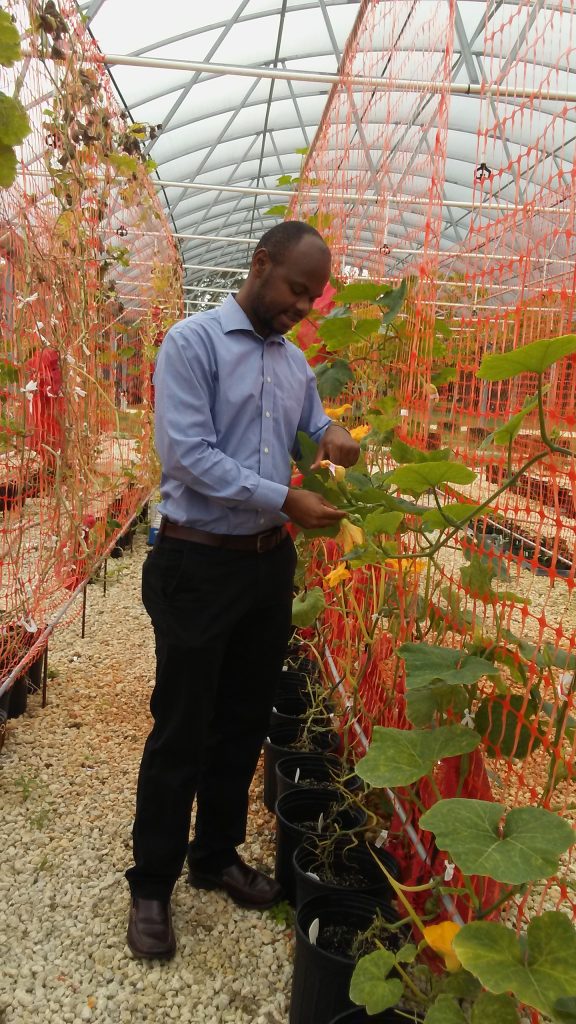
If you have eaten at various Caribbean, Central or South American restaurants, you might be familiar with a specialty pumpkin called the calabaza. It is the center of the plate for a team of University of Florida Institute of Food and Agricultural Sciences (UF/IFAS) researchers hoping the gourd is ripe for a new industry in the Southeast. With two years …
What Adverse Effect? NCAE President Discusses Petition to Labor Secretary
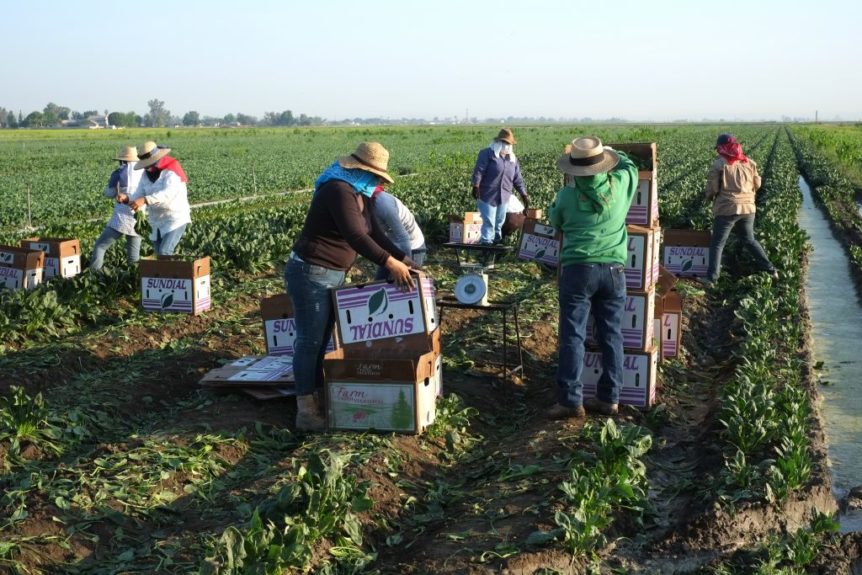
By Clint Thompson Why have an adverse effect wage rate (AEWR) if there is no adverse effect on domestic workers? That’s a question that Michael Marsh, president and chief executive officer of the National Council of Agricultural Employers (NCAE), wants answered from Acting Department of Labor Secretary Julie Su. “We’re trying to get her to just simply follow the law …
Drought Monitor: Dry Conditions Reduced Across Southeast
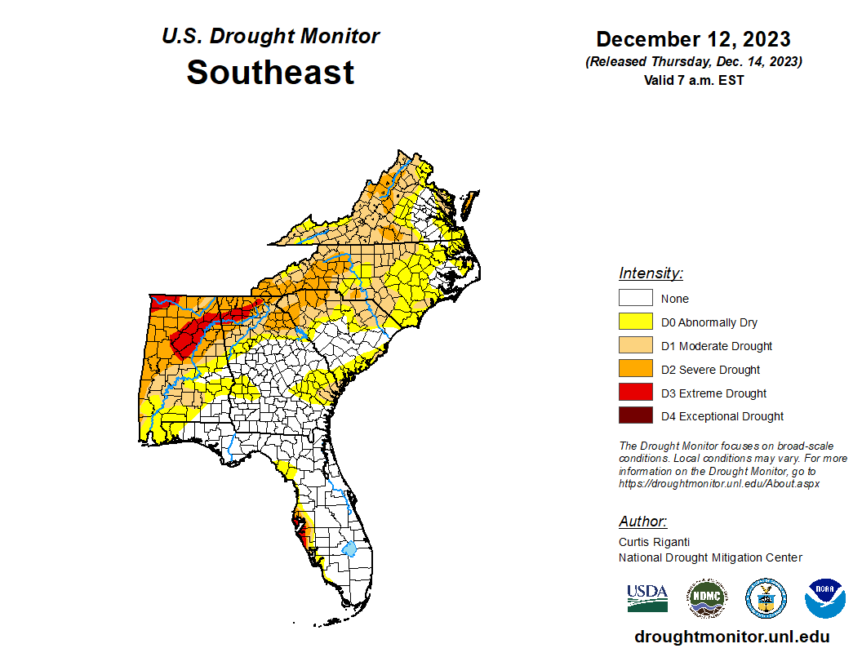
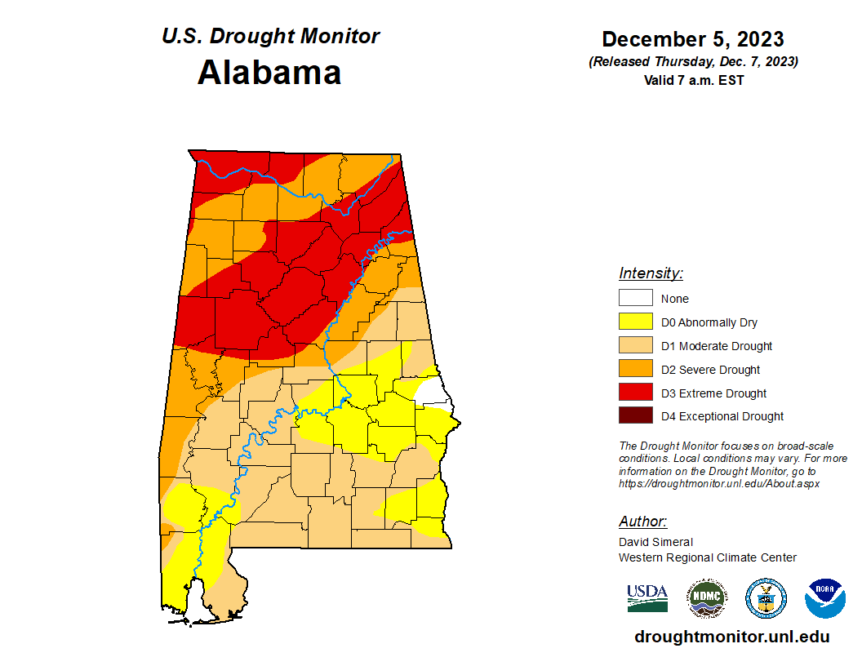
Drought conditions are lessening across the Southeast, due to recent rain events. In the most recent U.S. Drought Monitor, extreme drought has been reduced across areas of North Alabama and North Georgia. Most of South Georgia is drought free, while only a couple of counties in the Florida Panhandle are abnormally dry. Alabama remains the driest among the three states. …
NCAE Petitions Acting Labor Secretary to Change Wage Methodology
(Arlington, VA) – Adverse effect wage rates (AEWR) continue to skyrocket in the H-2A program. The National Council of Agricultural Employers (NCAE) is attempting to persuade regulators to modify the current formula that determines AEWR. The NCAE petitioned Acting Department of Labor Secretary Julie Su this week to amend the regulatory methodology for determining adverse effect wage rates in the …
Drought’s Impact on Alabama Pecan Crop
By Clint Thompson Alabama’s prolonged drought in the late summer and fall impacted the size of this year’s pecan crop, according to Bryan Wilkins, Auburn University research associate. But the lack of rainfall actually helped the quality of this year’s crop in Mobile and Baldwin counties. “It’s cut the size of the nuts, but from what I’ve been seeing, it …
USDA Announces December 2023 Lending Rates for Producers
WASHINGTON – The U.S. Department of Agriculture (USDA) has announced loan interest rates for December 2023, which became effective Dec. 1, 2023. USDA’s Farm Service Agency (FSA) loans provide important access to capital to help farmers start or expand their farming operation, purchase equipment and storage structures or meet cash flow needs.    “I encourage our lenders and borrowers alike to work with …
On the Horizon: Chlorothalonil Spray Applications Could Soon Be Reduced
By Clint Thompson Specialty crop producers should be wary that the number of chlorothalonil spray applications could soon be reduced by the Environmental Protection Agency (EPA). Nick Dufalt, a plant pathologist with the University of Florida Institute of Food and Agricultural Sciences (UF/IFAS), discussed the issue at the recent Suwanee Valley Watermelon Institute meeting in Fanning Springs, Florida, on Nov. …
UGA CAES Leads Effort to Combat Emerging Threat to Watermelon, Cucumber Production
Southeast cucurbit producers face numerous challenges in production, leading to decreased profitability and less produce on grocery shelves. Weeds, insect pests and plant diseases are prominent biotic threats. Among the plant diseases, one fungus — Colletotrichum spp., which causes anthracnose — is an emerging threat to watermelon and cucumber production along the east coast. “There is a huge threat from this particular …
California’s H-2A Ranking a Plus for Southeast?
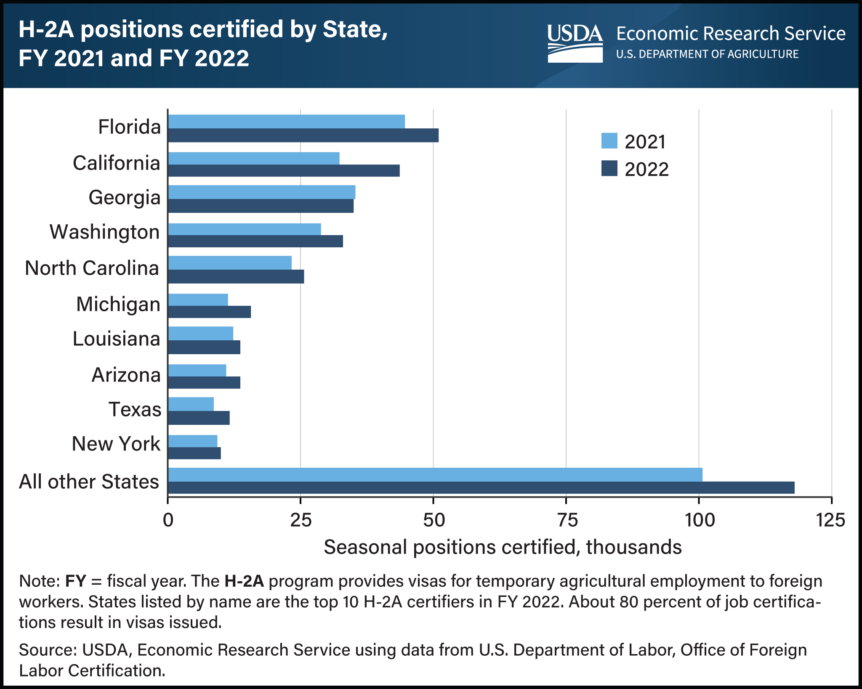
By Clint Thompson California’s surge up the states leaderboard pertaining to H-2A workers is a plus for Southeast specialty crop producers, according to one industry leader. Chris Butts, executive vice president of the Georgia Fruit and Vegetable Growers Association (GFVGA), believes it will help enlighten legislative leaders about the challenges associated with navigating through a complicated and expensive program. “I …