









By Karla Arboleda Southwest Florida growers can expect help from new small fruit Extension specialist Sriyanka Lahiri. At the University of Florida Institute of Food and Agricultural Sciences (UF/IFAS) Gulf Coast Research and Education Center (GCREC), Lahiri works with strawberries and blueberries to develop a pest management program that uses less broad-spectrum insecticides. Appointed in February, Lahiri helps the small …
Controlling Purple Nutsedge in Tomatoes
Purple nutsedge can be a tough nut to crack for many tomato growers. Nathan Boyd, weed scientist at the University of Florida’s Gulf Coast Research and Education Center (GCREC), recently completed herbicide trials examining whether pre-emergent or post-emergent herbicides work better in controlling purple nutsedge in tomatoes. The trials took place at the GCREC in Wimauma. Purple nutsedge can be …
Florida Craft Beer Industry Growing With Hops
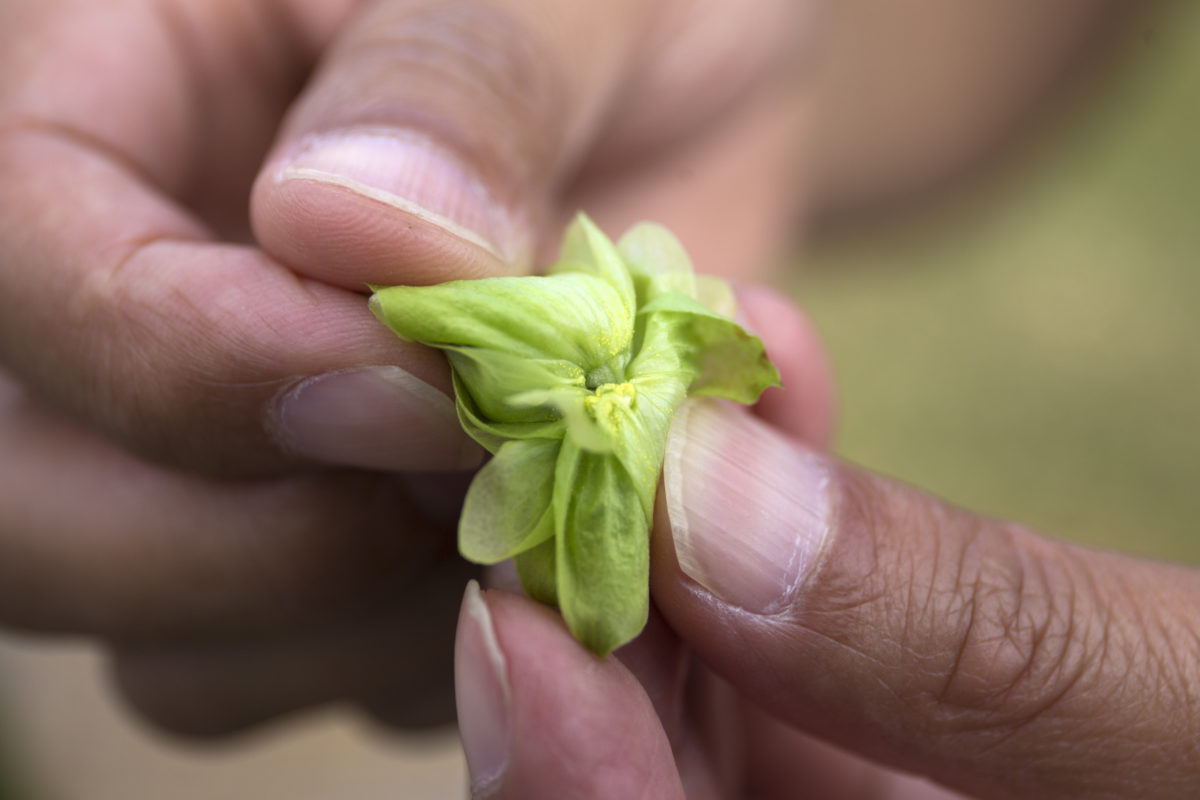
By Karla Arboleda Breweries and drinkers alike can thank researchers for the way craft beer is turning out in Florida. While the deep Southeast normally does not have an ideal climate for growing hops, the University of Florida Institute of Food and Agricultural Sciences Gulf Coast Research and Education Center (GCREC) has been on a mission to make it work. …
Tomato Bacterial Spot Management Begins with Transplant Health
By Gary Vallad Few diseases present a persistent year-to-year challenge to tomato production like bacterial spot. Under ideal conditions, the disease can cause massive defoliation leading to yield losses through lost photosynthetic capacity and fruit exposure to the elements. This increases sunscald and raincheck as well as direct fruit infection by the pathogen. DISEASE SPREAD AND SYMPTOMS Xanthomonas perforans is …
Nematodes in Florida Hops
By Karla Arboleda Florida conditions can cause crops to have increased problems in comparison to other regions, and it’s no different for hops. Microscopic nematodes are common all over the world, specifically in vegetables. Across Florida, hops growers have found root-knot nematodes in their crops. Johan Desaeger, a nematode researcher at the University of Florida Institute of Food and Agricultural …
Managing Nematodes Without Methyl Bromide
By Johan Desaeger Plant-parasitic nematodes are some of the most difficult pests or diseases that growers in Florida are facing. They are difficult to recognize, are often confused with other biotic or abiotic problems, and can cause total crop loss in many fruits and vegetables. This is especially true in Florida’s warm and sandy soils, where nematodes, such as root-knot …
Be Aware of Pests in Hops
By Karla Arboleda As the Florida hops industry continues to steadily expand, growers should be aware of some new insights on the crop’s cultivation. Although hops research and the general hops industry are fairly new to Florida, in comparison to other North American regions, researchers have found a variety of different pests that show up in hops plants. According to …
Preparing for the Florida Ag Expo
Planning for the 2019 Florida Ag Expo (FAE) is well underway. This week, the FAE seminar planning committee met to brainstorm ideas for the educational program. Attendees will have the opportunity to earn continuing education units and receive updates on the latest cutting-edge research from the University of Florida (UF). The AgNet Media team that manages FAE met with UF …
Diamondback Moth Update
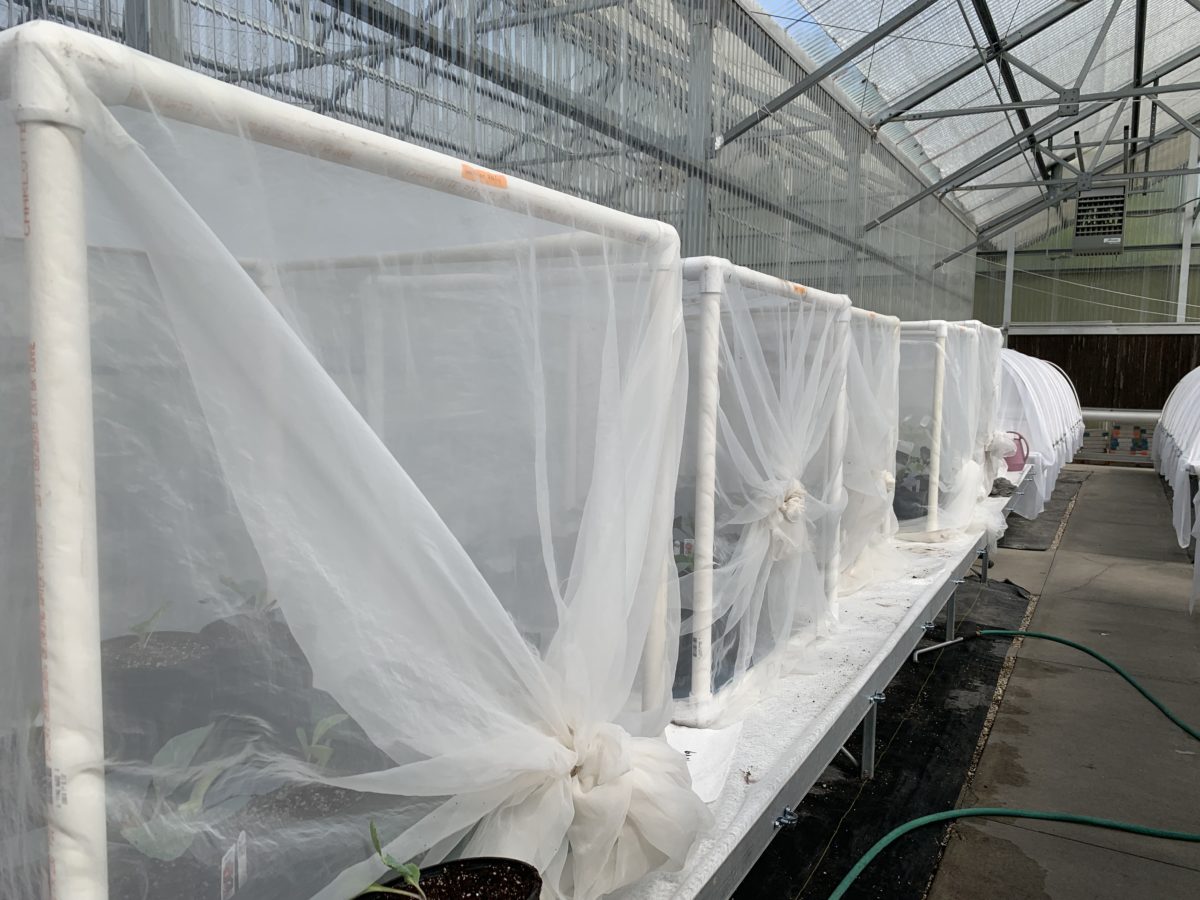
Diamondback moth (DBM) has been a menace for brassica growers around the globe for decades. After a major outbreak in 2016, the issue became much more prevalent in Florida and Georgia. So, researchers from the University of Florida (UF) and the University of Georgia (UGA) have recently been studying how resistant these pests have become to commonly used insecticides. Hugh …
Smart Sprayer Technology for Better Weed Control
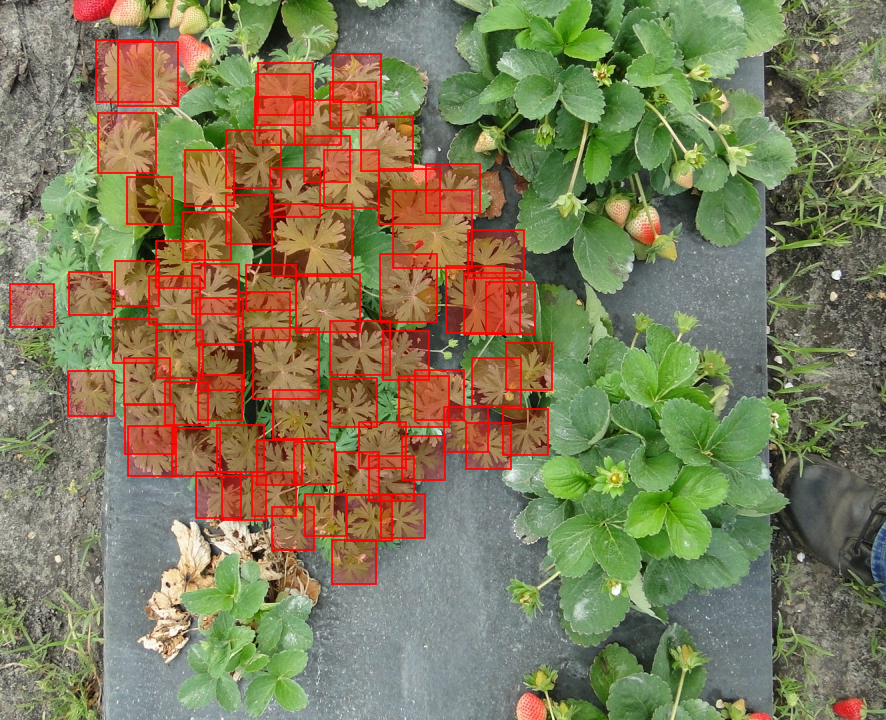
By Arnold Schumann, Nathan Boyd, Shaun Sharpe and Jialin Yu Most vegetable and strawberry crops in Florida are grown on raised, fumigated soil beds covered with plastic mulch and fertigated with drip tape. Fortunately, the plastic mulch suppresses most weeds that would otherwise grow rapidly and outcompete the crops in Florida’s warm subtropical climate. The open holes that are punched …