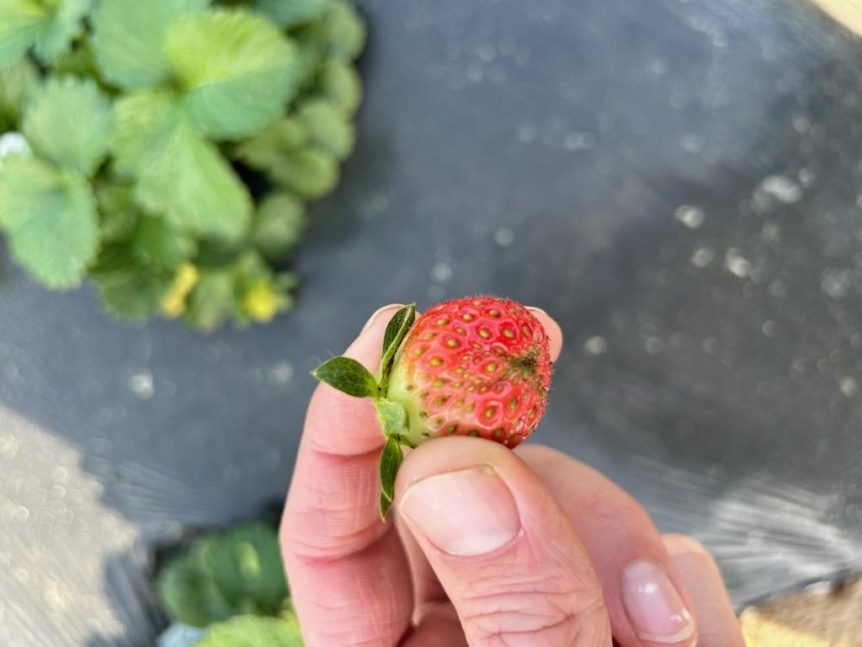
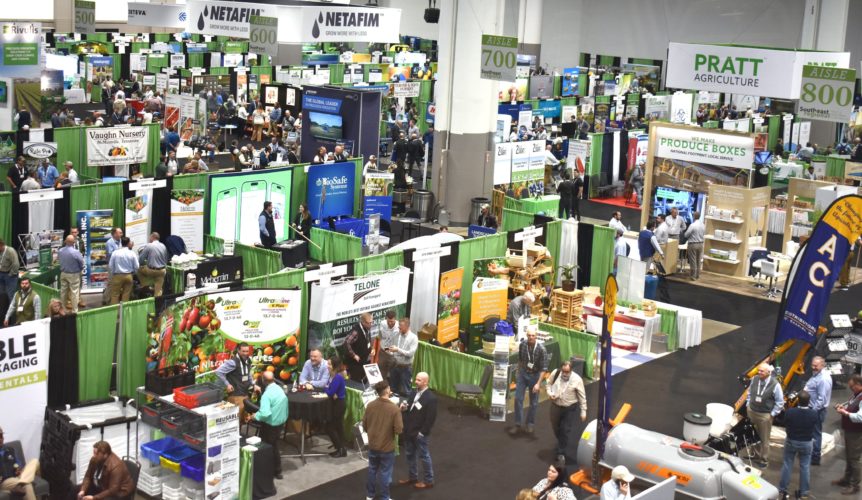
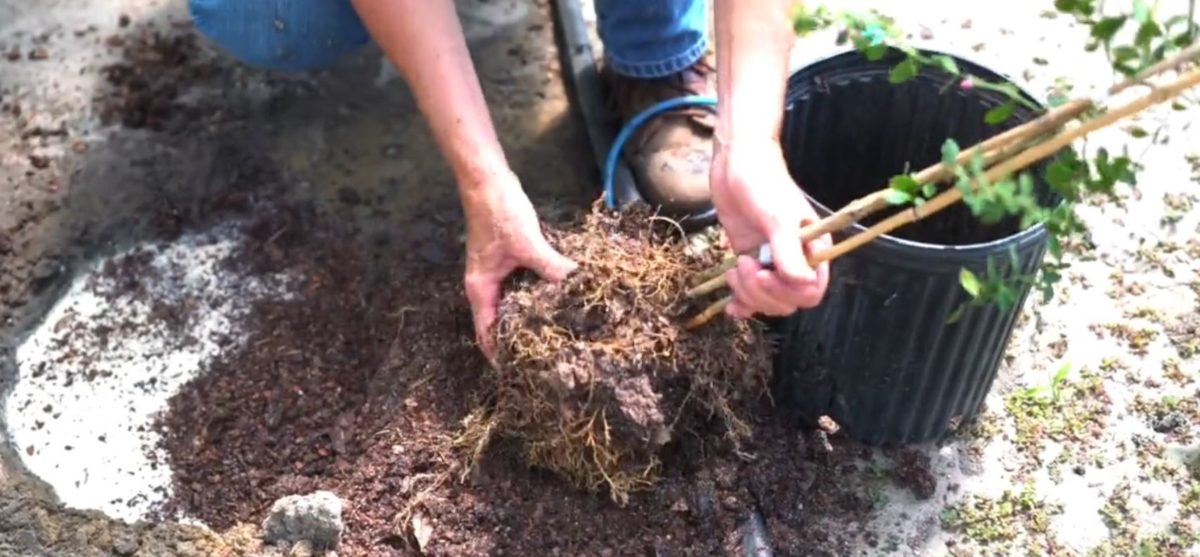
By Clint Thompson Neopestalotiopsis disease in strawberries remains a concern for Southeast growers. Natalia Peres, professor of plant pathology at the University of Florida Institute of Food and Agricultural Sciences (UF/IFAS) Gulf Coast Research and Education Center, provided producers tips on how to control the disease during her presentation at the Southeast Regional Fruit and Vegetable Conference in Savannah, Georgia. …
Blueberry Water Needs Highlighted During Southeast Regional
By Clint Thompson Water requirements for blueberries was highlighted during the Southeast (SE) Regional Fruit and Vegetable Conference. Wes Porter, University of Georgia Extension Precision Ag and Irrigation Specialist, focused his presentation on water needs for one of the Southeast’s most important fruit crops. “In the springtime when we start getting ready to put on buds and flowers, our water …
Battling Black Rot in Brassicas
By Frank Giles Brassica crops have become an important crop in the Southeast. When it comes to disease management, black rot (Xanthomonas campestris pv. campestris) is one of the biggest problems that growers fight. Black rot can affect all major brassica crops, including cabbage, broccoli, cauliflower, Brussels sprouts, collards and kale. The disease causes the most damage in the leafy …
Carolina Strongback Rootstock Costly but Effective Option Against Fusarium Wilt
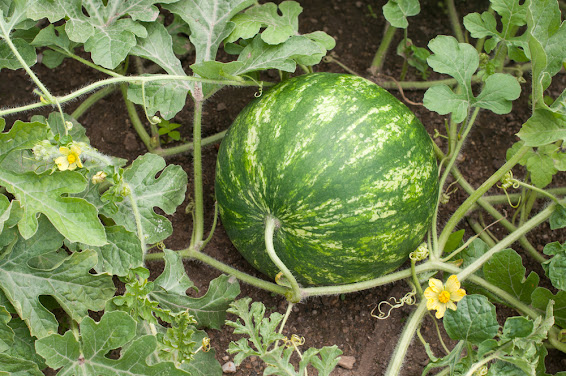
By Clint Thompson A costly but effective option for watermelon producers hoping to overcome fusarium wilt disease is the use of Carolina Strongback rootstock. Bhabesh Dutta, University of Georgia Extension vegetable pathologist, spoke about the rootstock during the Southeast Regional Fruit and Vegetable Conference. He talked about its success in research trials on the UGA Tifton Campus. “This is our …
Pruning’s Importance for Grape Producers
By Clint Thompson It is time for an important management practice for grape producers in the Southeast. Sarah Lowder, University of Georgia viticulture Extension specialist, discussed the importance of pruning and what strategies growers should consider when managing their vines. “It’s one of the most important practices that you’ll do. It will set your crop potential for the following year,” …
McAvoy Earned Place in Florida Ag Hall of Fame
You ask most Southwest Florida farmers who they turn to for science-based agricultural information, and they’ll say, “Gene McAvoy.” It’s no accident the growers know him. “When I first started to work in Southwest Florida, I would just ride around and cold-call visit farmers,” said McAvoy, now a University of Florida Institute of Food and Agricultural Sciences (UF/IFAS) Extension agent …
Calls for Clarity on the AEWR
By Frank Giles With all of the H-2A visa program’s challenges and expenses, I am always impressed by the number of specialty crop growers who depend on it to source reliable labor. For many, it is the only option. And for those who have mastered all of its intricacies, it is even described as a good program. Fast-Rising Wages But …
Georgia Producer: Reform Needed for H-2A
By Clint Thompson The controversial H-2A system was a point of emphasis during the University of Georgia Ag Forecast event last week. The only reliable source of labor for specialty crop producers is also extremely expensive, almost prohibitively so for some growers. It also has stringent regulations that can be burdensome for farmers trying to stay compliant. Producers like Karla …
Sneak Peek: February 2024 Specialty Crop Grower Magazine
The February issue of Specialty Crop Grower Magazine focuses on L&M Farms as its cover story. The story focuses on Adam Lytch, who manages the company’s farming operations, and how it has stayed competitive in the modern marketplace. Lytch said consumer preference is more important than ever, and L&M must stay up-to-date with demand in the information age. Black rot …
Peach Producers Yearning for Bumper Crop in ’24
By Clint Thompson No matter what state you are located in throughout the Southeast, if you are a peach producer, you are in dire need of a rebound season in 2024. Peach production was at such historical lows in 2023 that growers don’t just need production to return to normal this year; they need a bumper crop. “It always hurts …