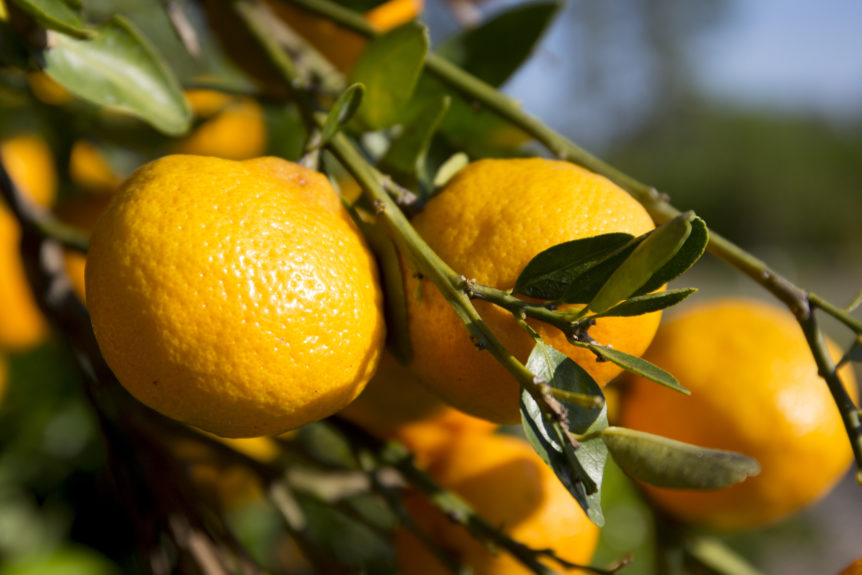
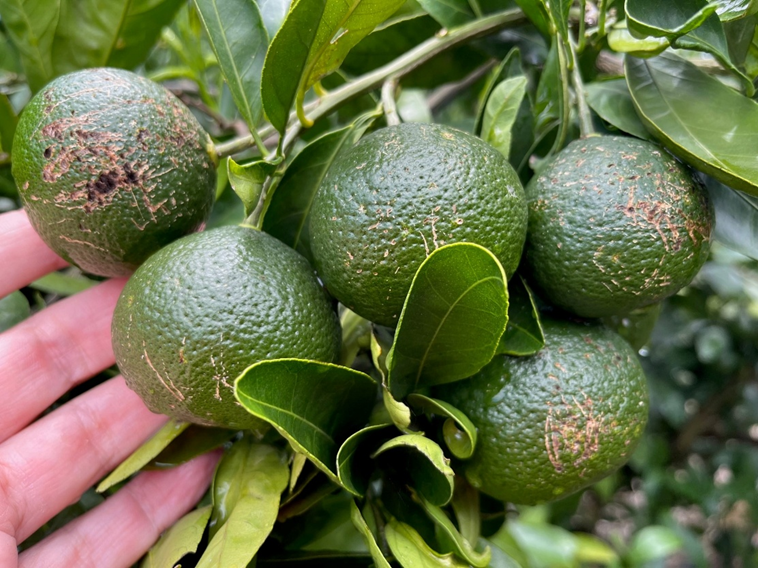
By Clint Thompson Cold-hardy citrus producers are reporting increased cases of bird damage to their young fruit. Jake Price, University of Georgia (UGA) area citrus agent, discussed the ongoing situation in the UGA Citrus Blog. While this is not a major concern for growers, it is an issue that they need to be aware of when surveying their citrus groves. …
Drought Impacting Alabama Fruit, Vegetable Production
By Clint Thompson Increased drought across Alabama means fruit and vegetable producers are more likely to treat for insects than for any potential disease buildup. The lack of rain, as evidenced by the Sept. 11 release of the U.S. Drought Monitor, means diseases lack the necessary moisture to build up. However, it poses increased risk for insect pressure, says Jacob …
Foliar Insecticide Applications Essential for Pecan Phylloxera Control
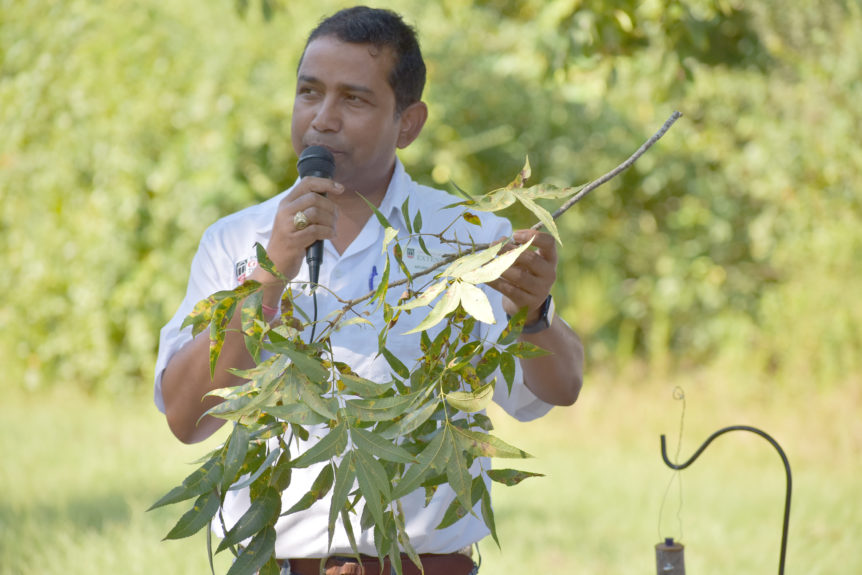
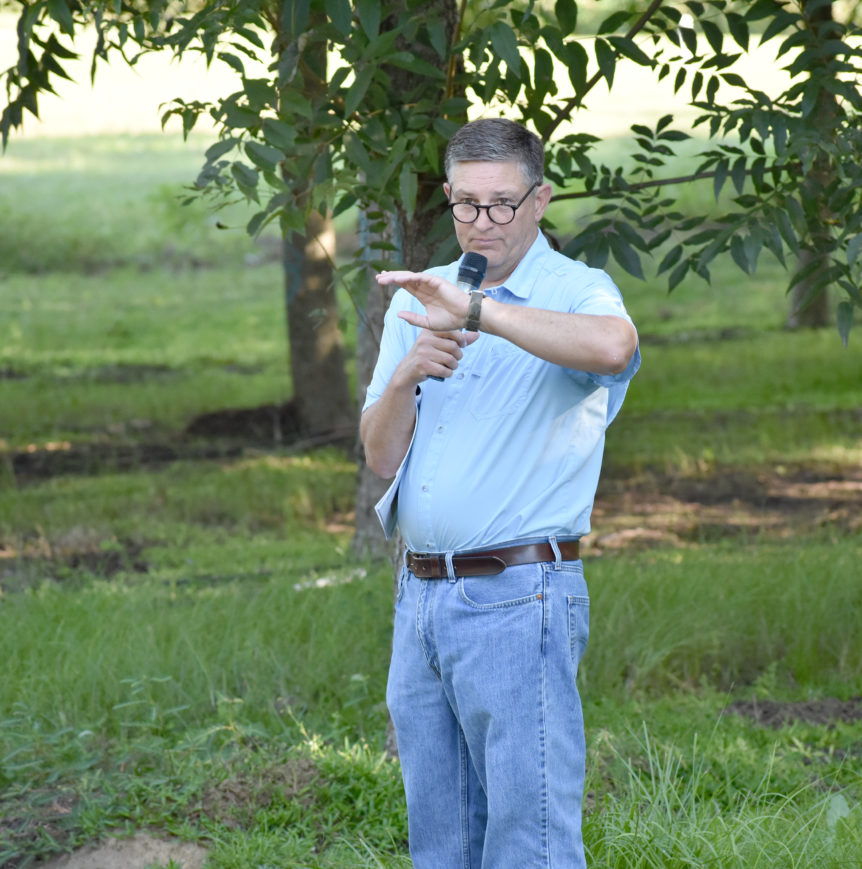
By Clint Thompson Foliar insecticide applications are essential for pecan producers hoping to control pecan phylloxera, an insect pest in the Southeast. Apurba Barman, University of Georgia (UGA) Extension pecan entomologist, discussed the insect during the recent Georgia Pecan Growers Association Fall Field Day at the UGA Ponder Farm in Tifton, Georgia. He stressed that foliar applications are most effective …
Industry Experts Highlight Importance of Georgia Ag Labor Forum
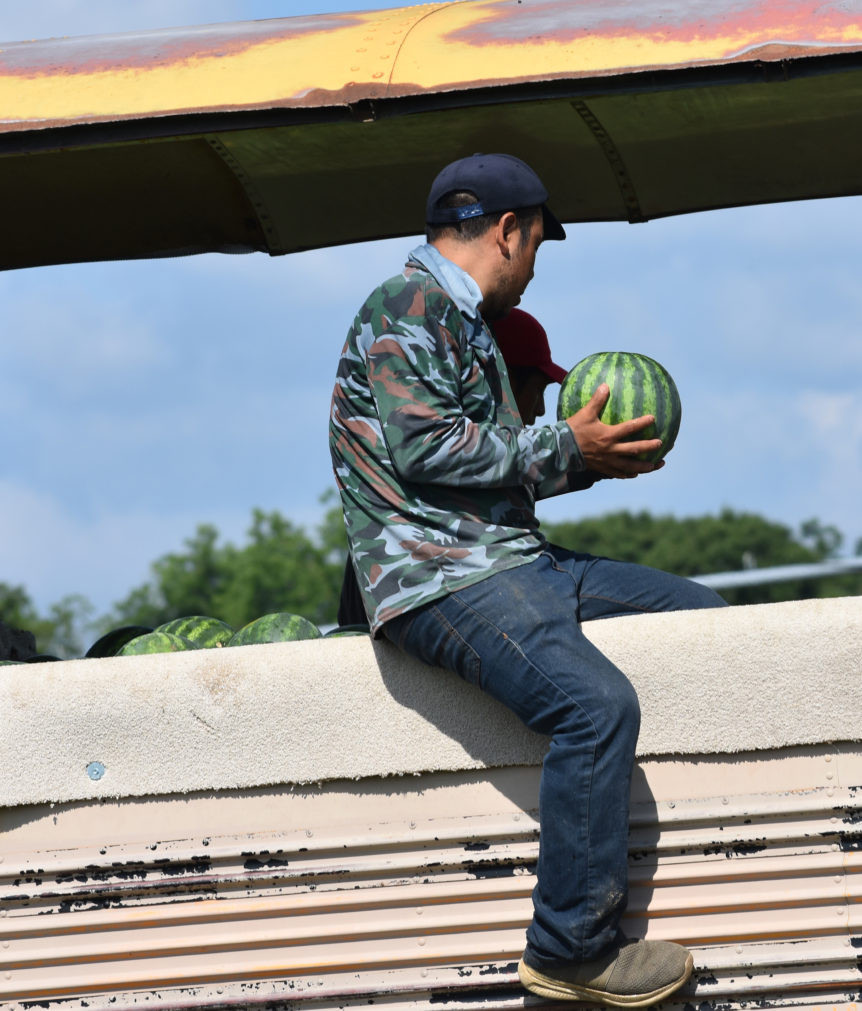
By Clint Thompson Labor remains a top priority for Georgia fruit and vegetable growers. Whether it’s staying in compliance with the Occupational Health and Safety Administration or learning more about the H-2A and H-2B programs, specialty crop producers need events like this week’s Georgia Agricultural Labor Relations Forum to stay updated on a topic that evolves regularly. Georgia Agribusiness Council …
A Bright Future and New Normal for Citrus
Citrus has a brighter future in Florida and surrounding areas, according to one industry expert. Hopefully, there will be enough farmers left standing to profit from it. Rick Dantzler, Citrus Research and Development Foundation chief operating officer, was a featured speaker at this year’s Citrus & Specialty Crop Expo. He spoke about the industry’s future as it continues to navigate …
Whitefly Populations on Rise
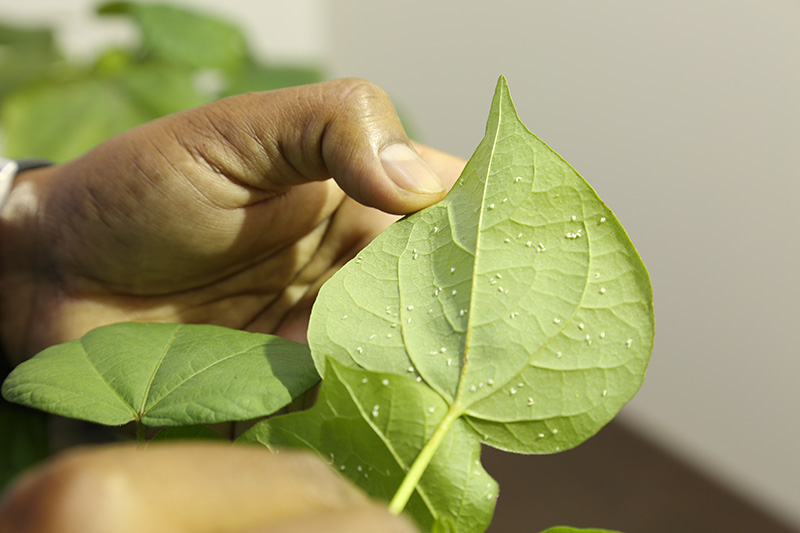
Clint Thompson Whitefly populations have always been problematic for Florida vegetable growers. Those problems have increased in recent years, according to one industry expert. Ryan Richards, a consultant with Simplot, was part of a panel discussion during last month’s Citrus & Specialty Crop Expo. The discussion centered on whiteflies. “I would say in the last 10 years, it’s a drastic …
Florida Mango Interest Continues to Grow
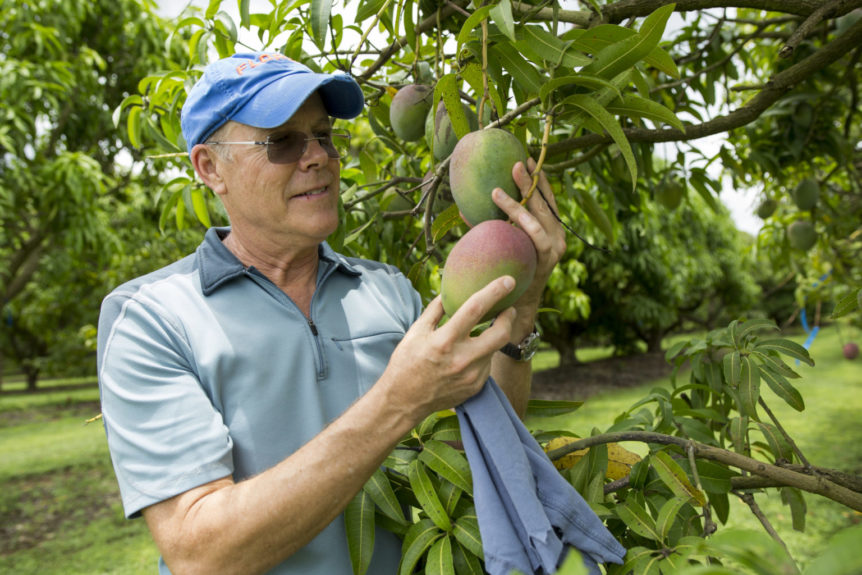
By Clint Thompson Florida’s mango industry has rebounded following a drastic production decrease following Hurricane Andrew in 1992. According to Jonathan Crane, University of Florida Institute of Food and Agricultural Sciences (UF/IFAS) professor and tropical fruit crop specialist, the industry hit its lowest point at about 1,000 acres but has more than tripled since. Fresh Florida-grown mangoes are producing high …
Specialty Crop Grower Magazine: AEWR Ruling a Win for Agriculture
By Frank Giles There has been a lot of breaking news on the labor front lately. More came down just as we were set to send this issue to the printer. In late August, a federal court in Louisiana vacated the U.S. Department of Labor’s (DOL) 2023 Adverse Effect Wage Rate (AEWR) Methodology rule. Opponents of the methodology applauded the …
Let the Plantings Begin: Vidalia Onion Producers Cautiously Optimistic
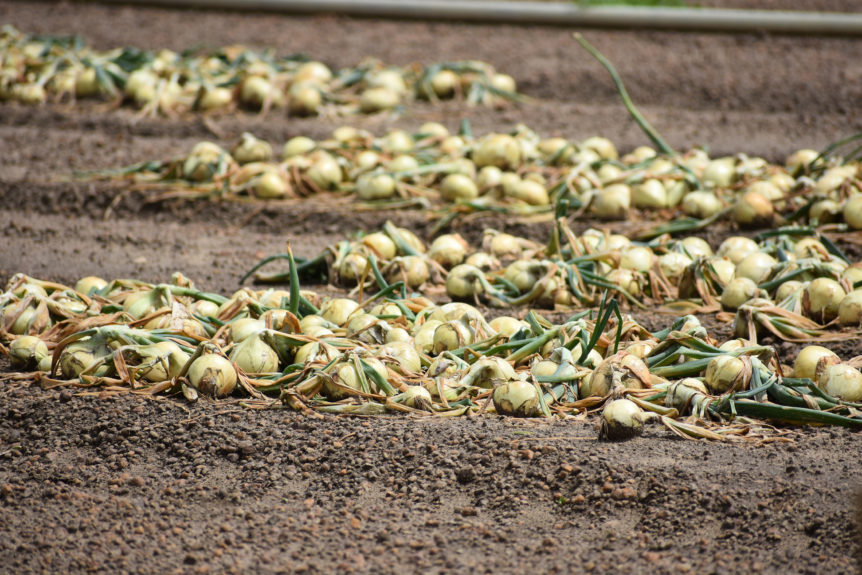
By Clint Thompson This year’s Vidalia onion season is underway as seedbeds are currently being planted in Southeast Georgia. Chris Tyson, University of Georgia Extension area onion agent at the Vidalia Onion & Vegetable Research Center in Lyons, Georgia, talked about his growers’ mindsets and the industry’s outlook heading into the fall, especially following season’s challenges that included Hurricane Helene …
Low Input Research Trial: Pecan Varieties Still Require Minimal Fungicide Sprays
By Clint Thompson Low input pecan varieties does not imply zero fungicide applications for scab disease. It means minimal sprays for scab-resistant varieties. Lenny Wells, University of Georgia Extension pecan specialist, highlighted his research into low input varieties like Lakota, Excel and McMillan during the Georgia Pecan Growers Association Fall Field Day on Sept. 4 at the UGA Ponder Farm …