Did you know you can plant artichokes in your garden or landscape as well as eat them? The artichokes you eat are, in fact, immature flower buds. “Many home gardeners love artichokes, mostly as edibles,” said Shinsuke Agehara, a University of Florida (UF) associate professor of horticultural sciences who harvests the vegetable from January through March at the UF Institute of …
Planting Season for North Florida Watermelons
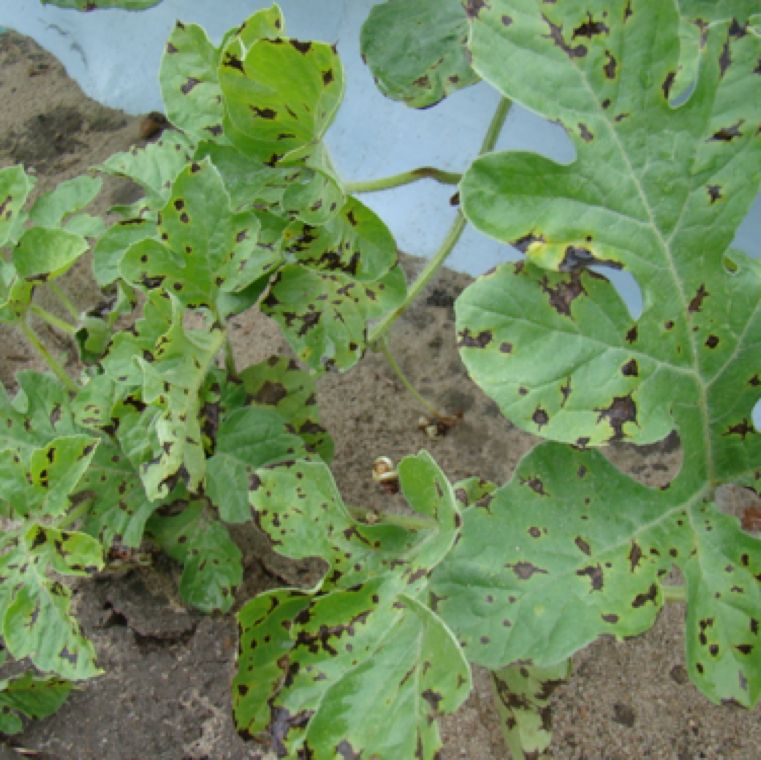
By Clint Thompson The calendar may say Feb. 20 but for some watermelon growers in North Florida, it says it is planting time. “I believe that there are some that intend on starting around (Feb. 20) if the weather looks good during that period of time,” said Bob Hochmuth, University of Florida Institute of Food and Agricultural Sciences (UF/IFAS) Regional …
UF Tomato Breeder Discuss New Role at GCREC
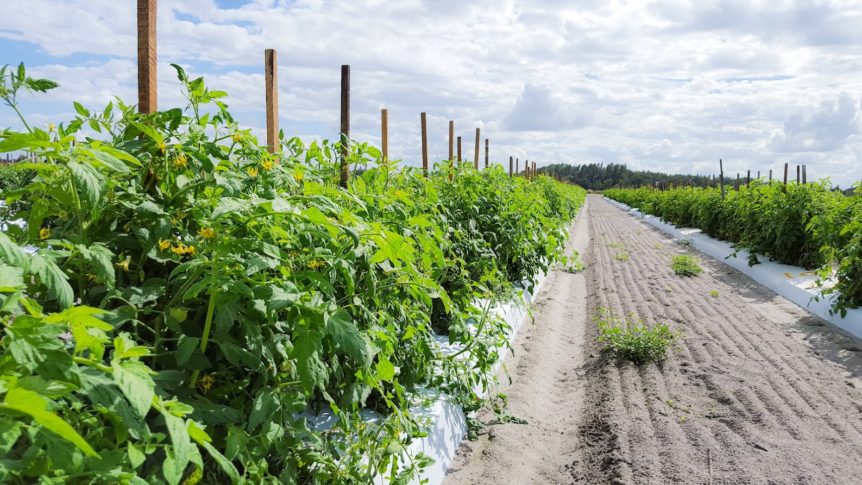
Jessica Chitwood-Brown is the new tomato breeder at the University of Florida Gulf Coast Research and Education Center (GCREC). Chitwood-Brown coordinates the lab where she earned Ph.D. and conducted her post-doctoral research, in the northern end of Florida tomato country. She’s taken the position of her doctoral adviser, Sam Hutton, at the GCREC. “I really admire Sam, so I have a …
El Niño Impact: What Blueberry Diseases are Most Concerning for Growers This Year?
By Clint Thompson The excessive wet weather associated with El Niño this winter has provided ideal conditions for blueberry diseases to pop up. Phil Harmon, professor and Extension plant pathologist at the University of Florida Institute of Food and Agricultural Sciences (UF/IFAS), highlighted the two disease concerns growers should be wary of heading into harvest season. They are botrytis gray …
AgNet Media Set to Host Florida Citrus Show
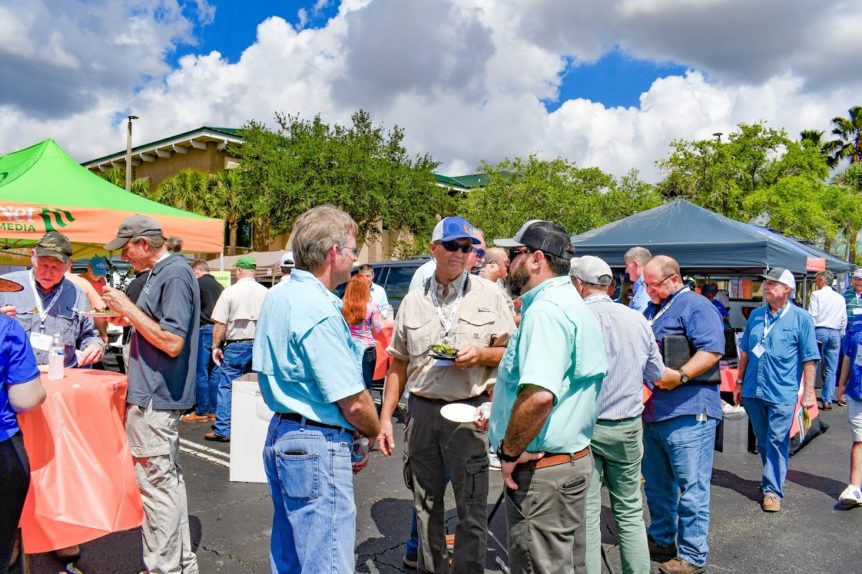
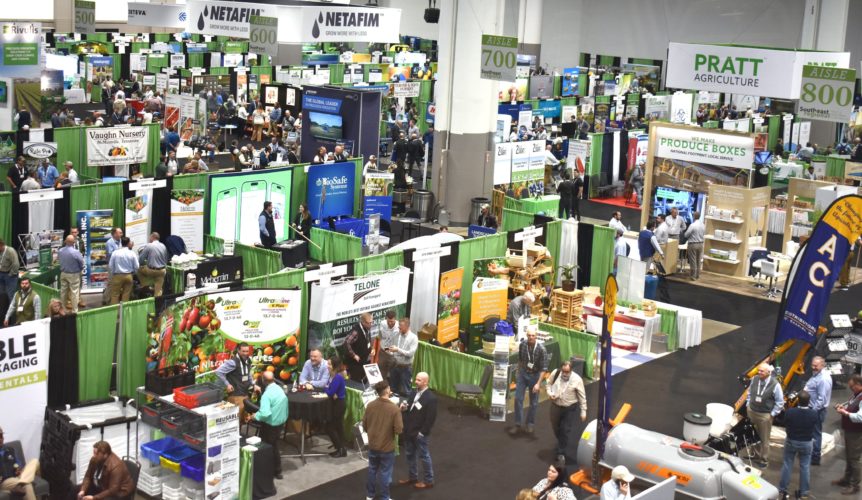
By Clint Thompson Citrus and specialty crop producers should mark their calendars for the upcoming Florida Citrus Show, scheduled for Wednesday, April 3 in Fort Pierce, Florida. This will mark the second year that AgNet Media will host the event, which will once again feature a tailgating theme with vendors in attendance, along with general and educational breakout sessions featuring …
Specialty Crop Grower Magazine: Tick Talk
By Lauri M. Baker As temperatures cool over the winter, you may be ready to breathe a sigh of relief as you enjoy a break from the summer’s constant annoyance of pests like mosquitos and ticks. But think again. An age-old belief is that ticks die off in winter months. Unfortunately, this is a myth. While your chance of tick …
Neopestalotiopsis: The Latest Tips in Managing Strawberry Disease
By Clint Thompson Neopestalotiopsis disease in strawberries remains a concern for Southeast growers. Natalia Peres, professor of plant pathology at the University of Florida Institute of Food and Agricultural Sciences (UF/IFAS) Gulf Coast Research and Education Center, provided producers tips on how to control the disease during her presentation at the Southeast Regional Fruit and Vegetable Conference in Savannah, Georgia. …
McAvoy Earned Place in Florida Ag Hall of Fame
You ask most Southwest Florida farmers who they turn to for science-based agricultural information, and they’ll say, “Gene McAvoy.” It’s no accident the growers know him. “When I first started to work in Southwest Florida, I would just ride around and cold-call visit farmers,” said McAvoy, now a University of Florida Institute of Food and Agricultural Sciences (UF/IFAS) Extension agent …
Peaches in Florida: Low Chill Hours Makes Production Challenging
By Clint Thompson Chill hours in Florida have been extremely low in recent years. It makes producing peaches, even those requiring minimal chill hours, challenging, if not impossible. Ali Sarkhosh, University of Florida Institute of Food and Agricultural Sciences (UF/IFAS) assistant professor in horticultural sciences, spoke about peach production in Florida at the recent Southeast Regional Fruit and Vegetable Conference …
Florida Report Looks at Conservation vs. Development Scenarios
The University of Florida Center for Landscape Conservation Planning Provides Agriculture 2040/2070 Report is another strong signal of the importance of preserving agriculture and green spaces. Roughly a third of Florida’s land is currently in agriculture, but urban development and, on a much smaller scale, sea level rise are projected to result in the loss of about 120 acres of agricultural land a …