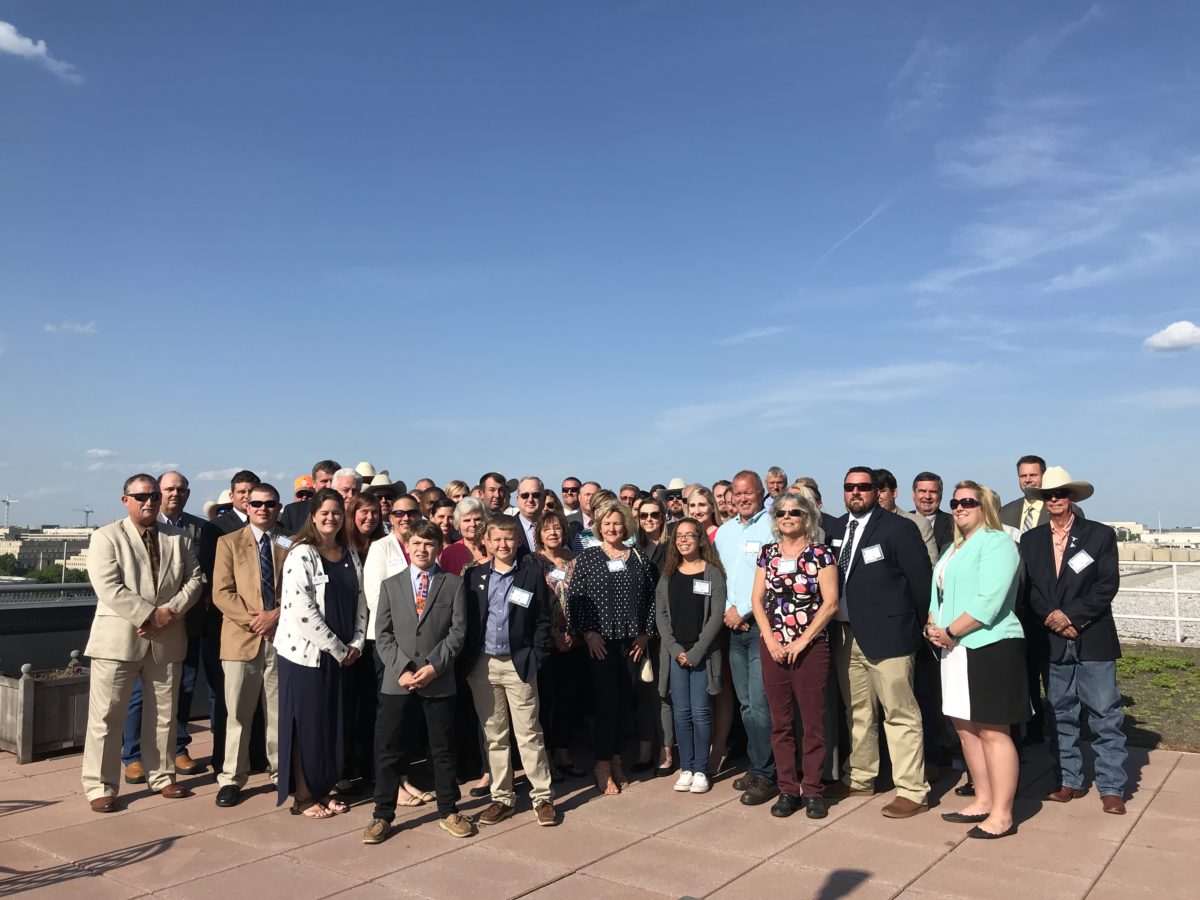
This past week, Florida Farm Bureau Federation (FFBF) held its annual Field to the Hill fly-in event, where Florida farmers had the opportunity to fly to Washington, D.C., and speak to their legislators about issues they are facing in the Florida agricultural industry. AgNet Media’s Abbey Taylor was able to tag along with the Farm Bureau members and witness firsthand …
The Next Big Biotech Traits
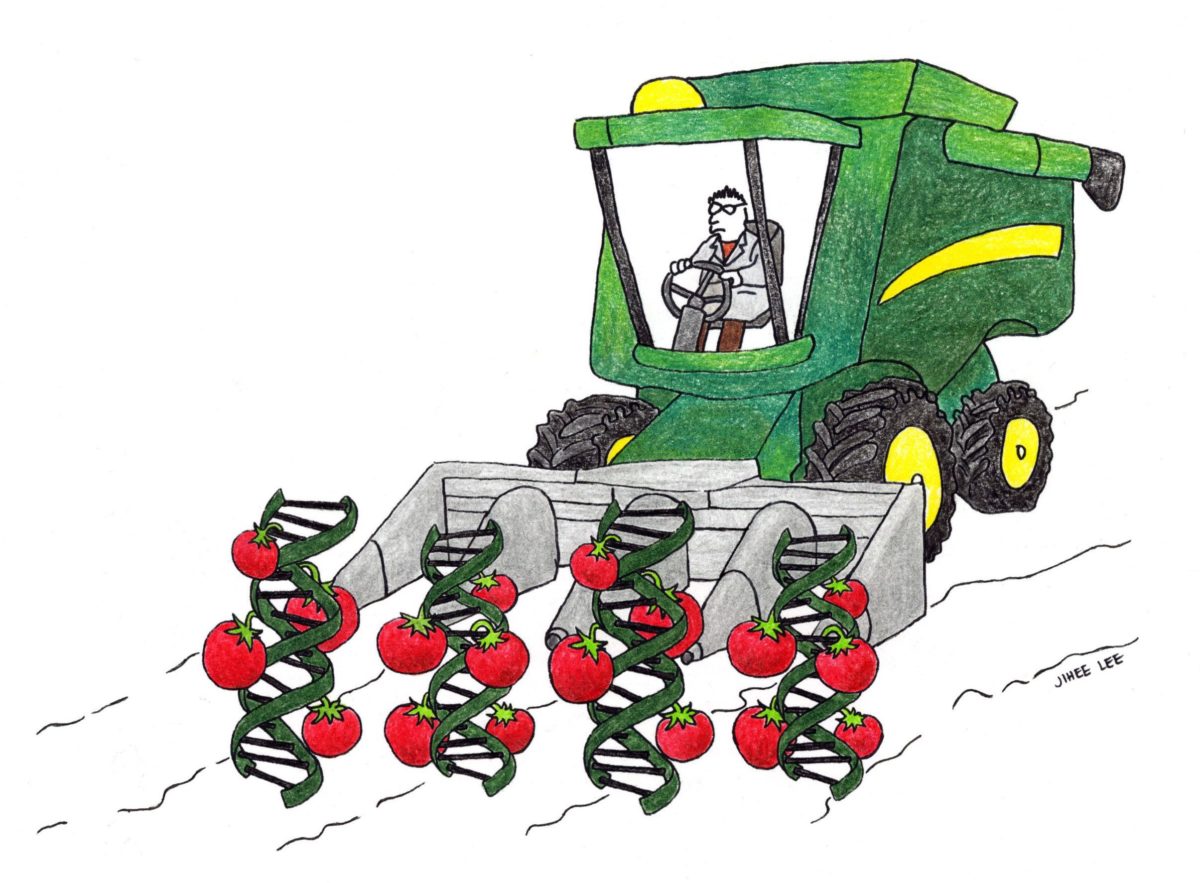
By Anne Schwartz Conventional breeding techniques and chemical controls have long been agriculture’s central means for disease management. However, despite hundreds of crosses performed and generations of progeny evaluated, durably resistant varieties remain elusive. Today, plant breeders are armed with an alternative method when conventional breeding techniques are insufficient. Specifically designed, genetically engineered plants offer potential for the development of …
DNA Sequencing Technology for Breeding Better Crops
By Tong Geon Lee Studies in crop plants now routinely use DNA information, thanks to scientists in the 1960s who invented first-generation machines that interpret DNA information. These devices are often called DNA sequencing machines since DNA is arranged in a particular order. The DNA sequencing approach utilizes computer analysis to assemble DNA sequence from short pieces of DNA sequenced …
On Tour in the Everglades Agricultural Area
The Everglades Agricultural Area (EAA) is a unique region with a long, rich history. Last week, members of the AgNet Media team had the privilege to visit the EAA and surrounding farm areas to meet with some of the area’s key players. During the three-day tour, the team explored agricultural production systems, ranging from sugar to citrus.  ROTH FARMS …
Vegetable Pest Problems
David Riley, a professor of entomology at the University of Georgia, says that two pests have been big issues for Southeastern vegetable growers: diamondback moth (DBM) and whitefly. DIAMONDBACK MOTH DBM continues to be a struggle for Southeastern vegetable growers, mostly due to insecticide resistance. Riley says that DBM resistance in cabbage and collards is a long-standing problem. “Diamondback moth …
A Fair Fight for Florida Farmers
By Jack Payne New plant varieties give Florida farmers a fighting chance in an increasingly competitive global market. University of Florida (UF) public scientists give Florida growers first shot at fruit that stands up to the latest disease, survives harsh weather and catches the eye of shoppers in the produce aisle. Those plant varieties are intellectual property — inventions in …
Tasty Tomatoes and Other Produce
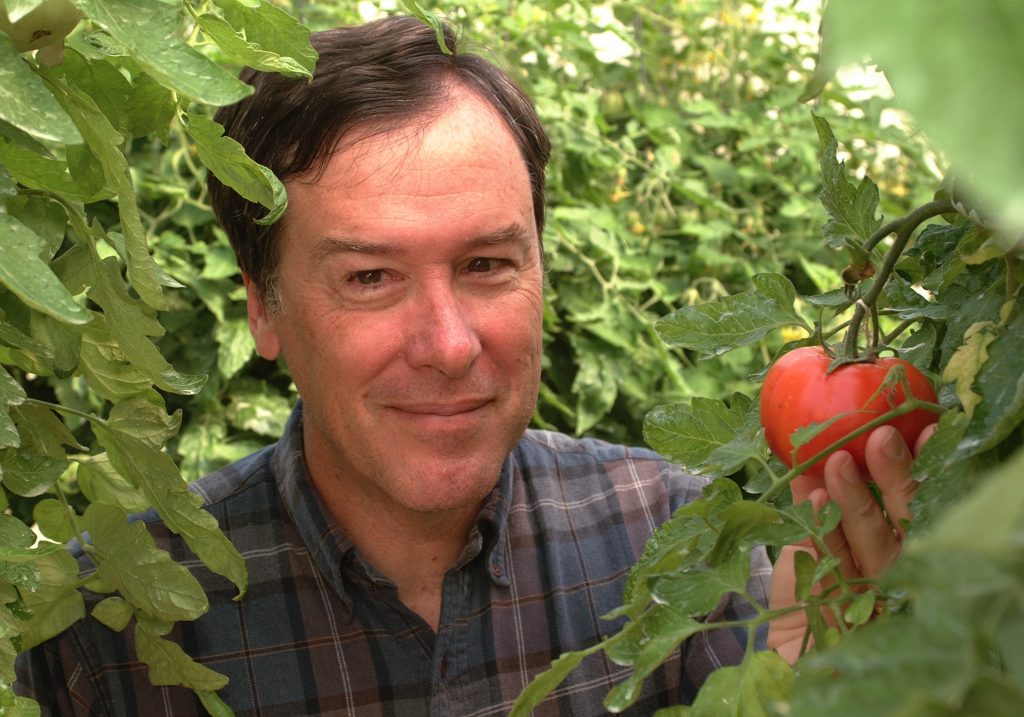
GAINESVILLE, Fla. — Imagine sinking your teeth into a fat, bright red tomato, whose aroma promises a tantalizing treat. Instead, you realize you got a great looker, but not a great taster. That’s because the consumer has been left out of the breeding process. For 20 years, Harry Klee, a professor of horticultural sciences at the UF Institute of Food …
Blueberry Variety Update
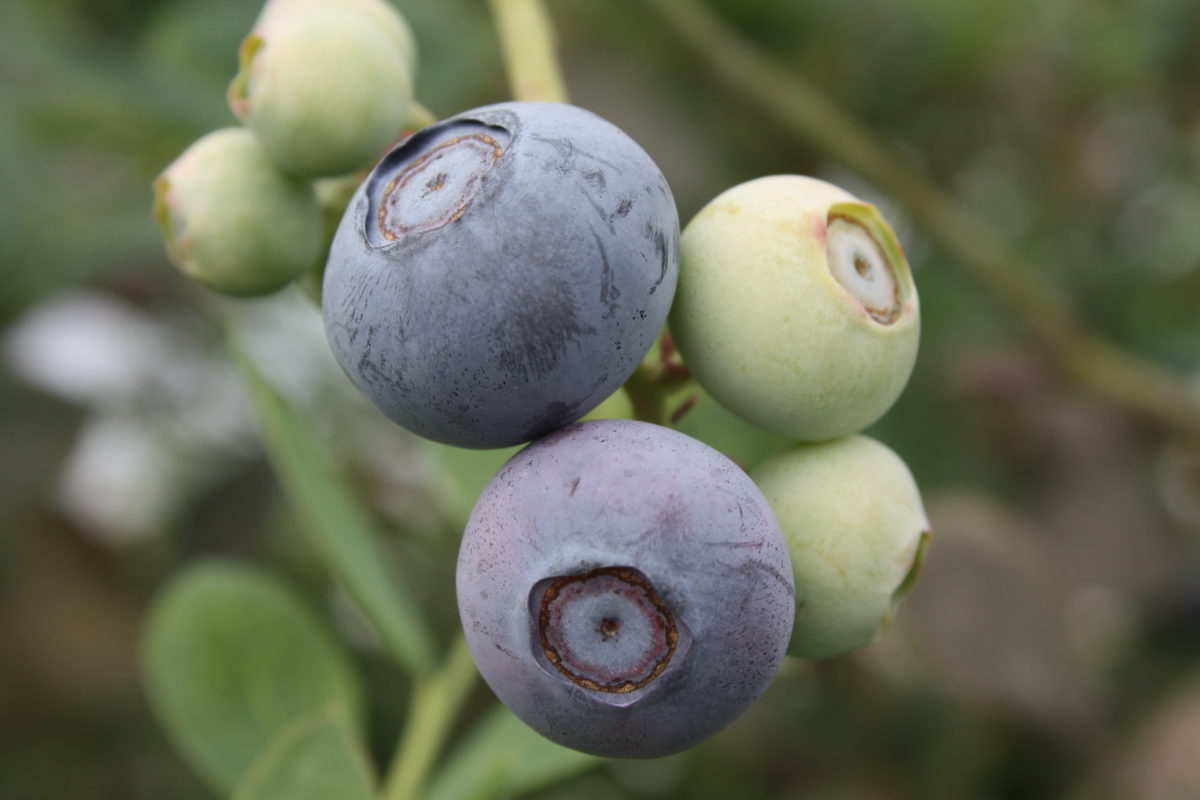
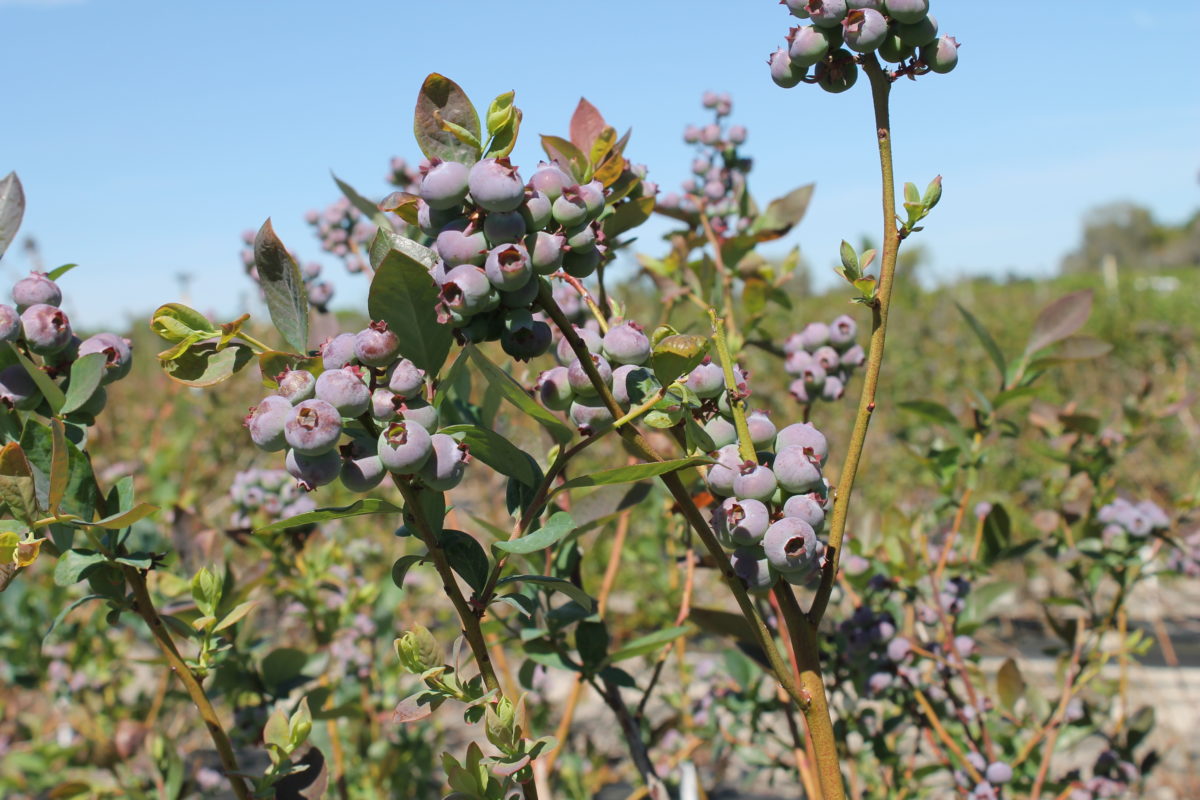
The University of Florida’s (UF) blueberry breeding program has been bringing growers new varieties for over 40 years. Patricio Munoz, assistant professor at UF and head of the blueberry breeding program, recently highlighted two varieties released in 2016, Keecrisp and Patrecia. According to Munoz, Keecrisp is a very crisp variety, hence the name. This variety creates a firm fruit. “It’s …
Hole-Punch Technology Dramatically Reduces Herbicide Use
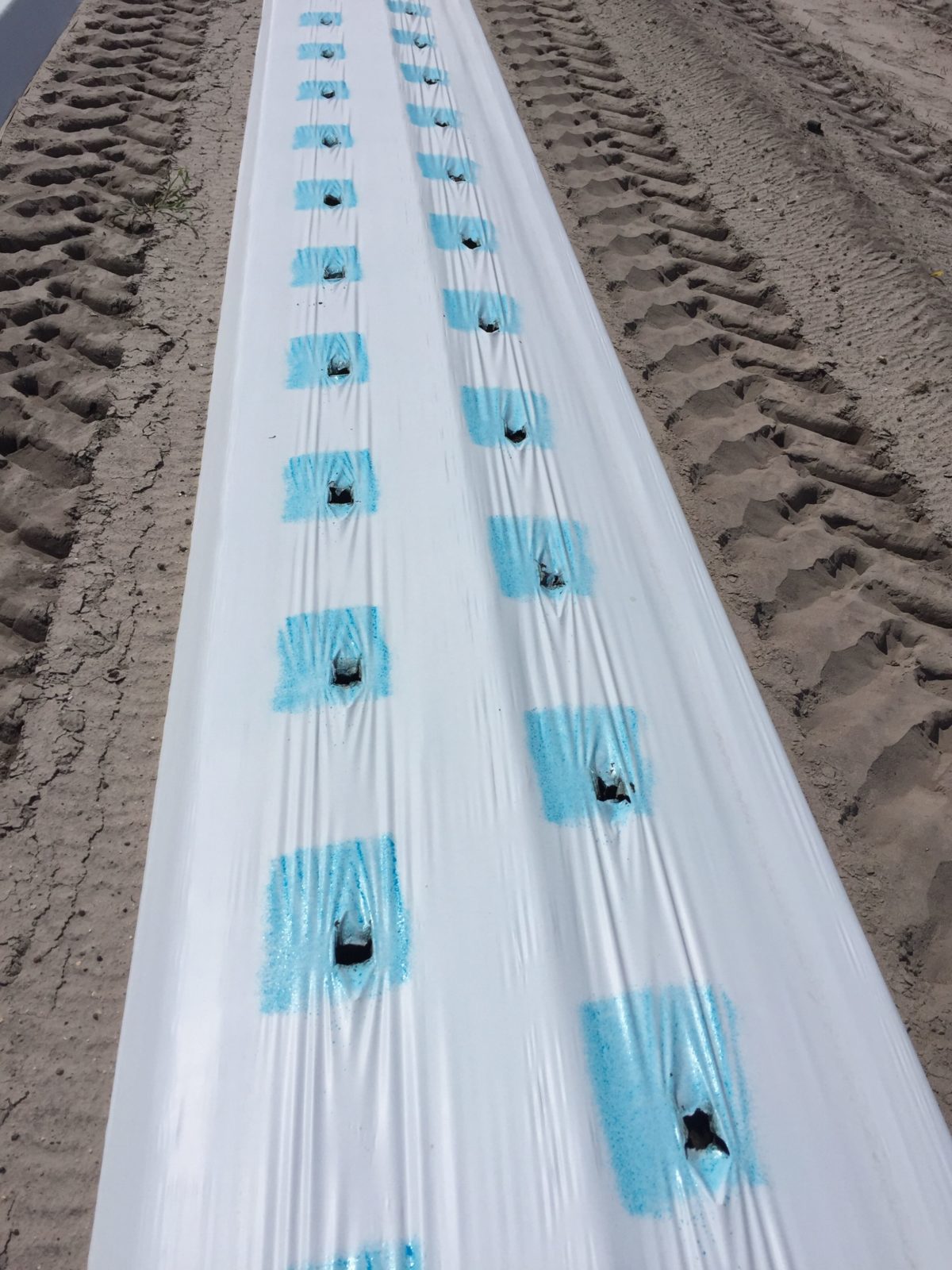
By Nathan S. Boyd and Arnold Schumann The majority of vegetables grown in Florida are grown on raised, fumigated beds covered with plastic mulch. This production technique has been widely adopted because the combination of plastic mulch and drip tape improves water and fertility efficiency. The use of plastic mulches has many additional benefits, including improved crop quality, reduced water …
Florida Blueberry Growers Report Crop Loss Due to Gall Midge
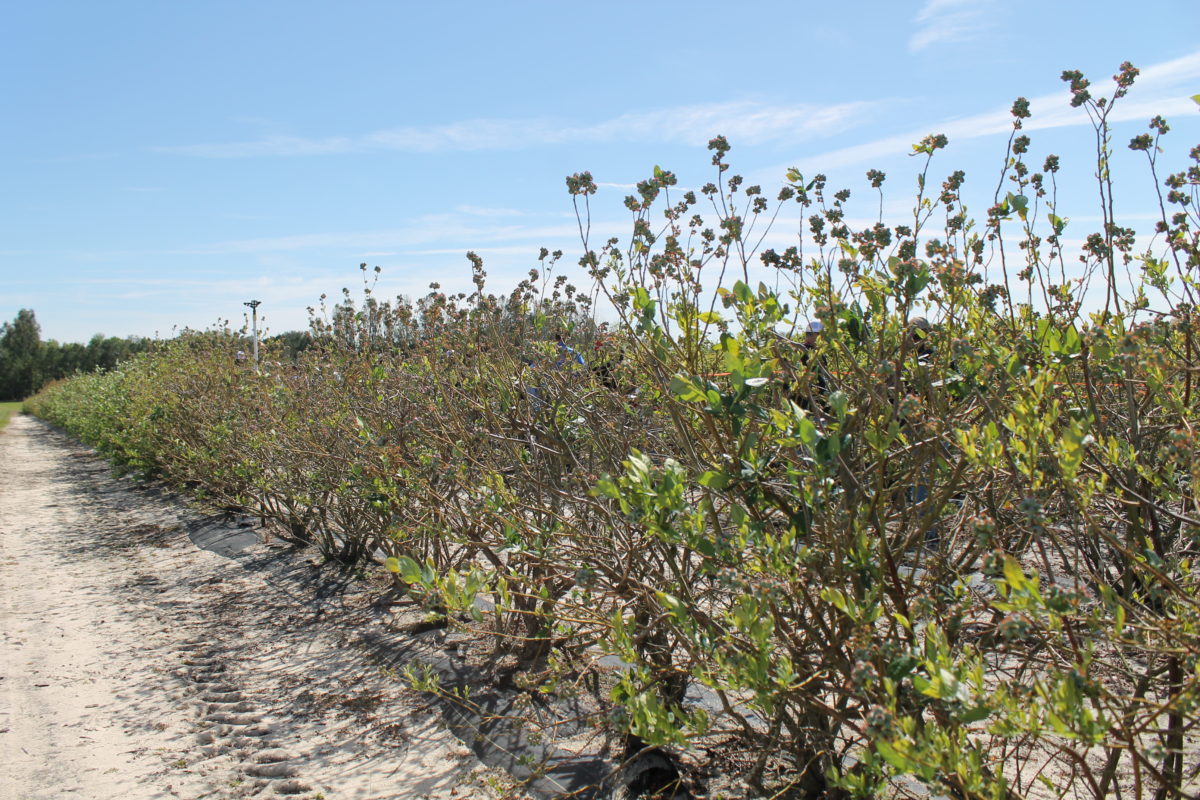
Update: The FBGA sent another email on March 30 with some survey results. This is what it reported: “Approximately a third of the state’s acreage has responded to our survey, 95% of which are reporting damage at some level. Over two-thirds of the acreage are reporting more than 20% crop loss (many of which indicated they are seeing between 30-50% …