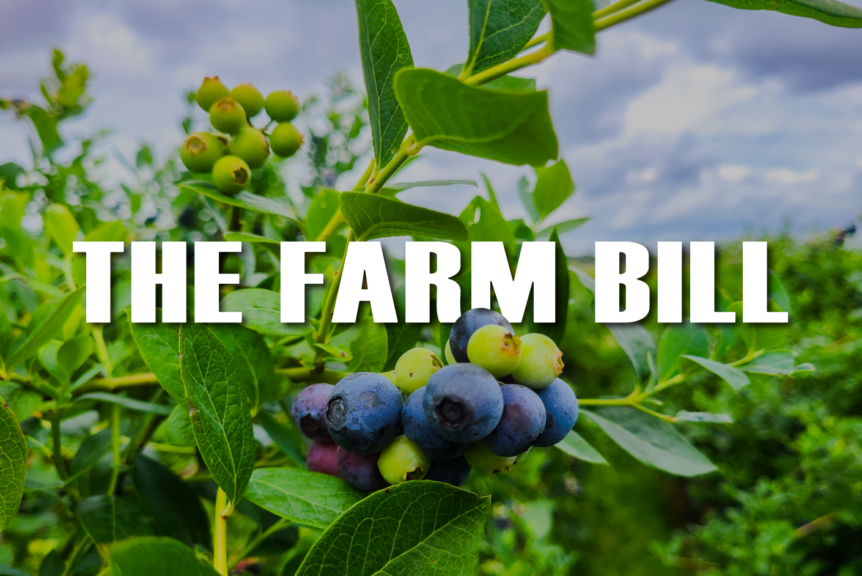
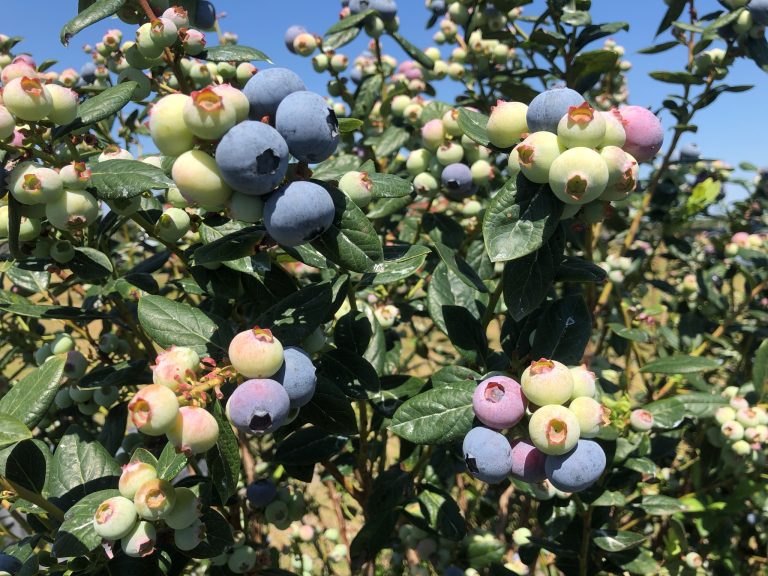
As we head into the heart of Florida blueberry harvest season, which generally lasts from March through May, growers are shipping the fruit to market to meet statewide and national consumer demand. You can find Florida-grown berries in stores, farmer’s markets and U-picks from the Panhandle through South Florida. Along with vitamin C, manganese and fiber, the fruit is known …
Florida Citrus Show Once Again a Success
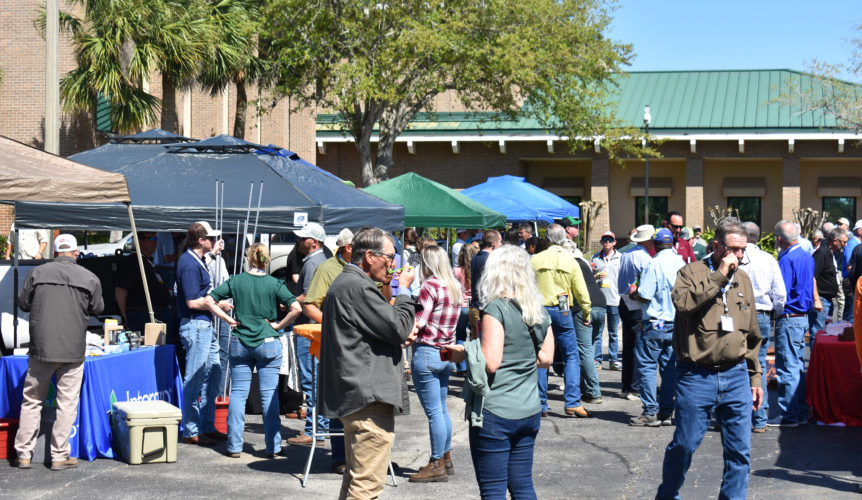
By Clint Thompson The Florida Citrus Show was once again a success. It united the specialty crop industry, informed farmers about trends impacting citrus and vegetables, while preparing growers for the upcoming season. And it never hurts to enjoy tailgating treats that were prominent among participating vendors. It was an impactful event, says Morgan Assaf, show organizer for AgNet Media. …
Ag Economist Provides Farm Bill Update
By Clint Thompson Southeast specialty crop producers eagerly await a new farm bill. With the current piece of legislation set to expire on Sept. 30, fruit and vegetable growers, along with other farmers across the U.S., are hopeful a new farm bill will be passed sooner rather than later. Adam Rabinowitz, Alabama Extension economist, provided an update on the farm …
Two UF/IFAS-Bred Strawberries Better at Resisting Chilli Thrips
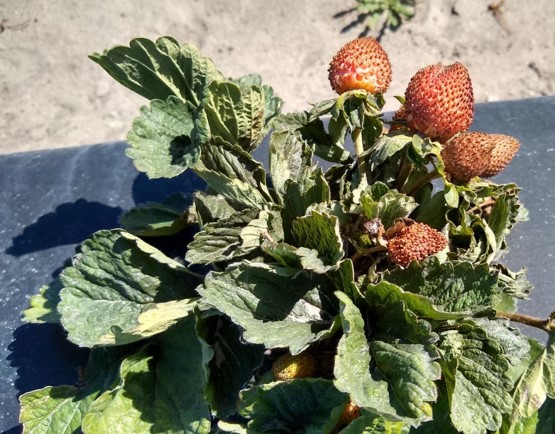
Chilli thrips plague farmers worldwide, but new research from the University of Florida Institute of Food and Agricultural Sciences (UF/IFAS) has found two strawberry varieties that show less harm from these pests. The finding comes through research funded in part by the U.S. Department of Agriculture National Institute of Food and Agriculture Hatch program. That’s encouraging news for growers in …
Thrips Threat: N.C. State Studying Pest’s Challenge to State’s Small Fruits
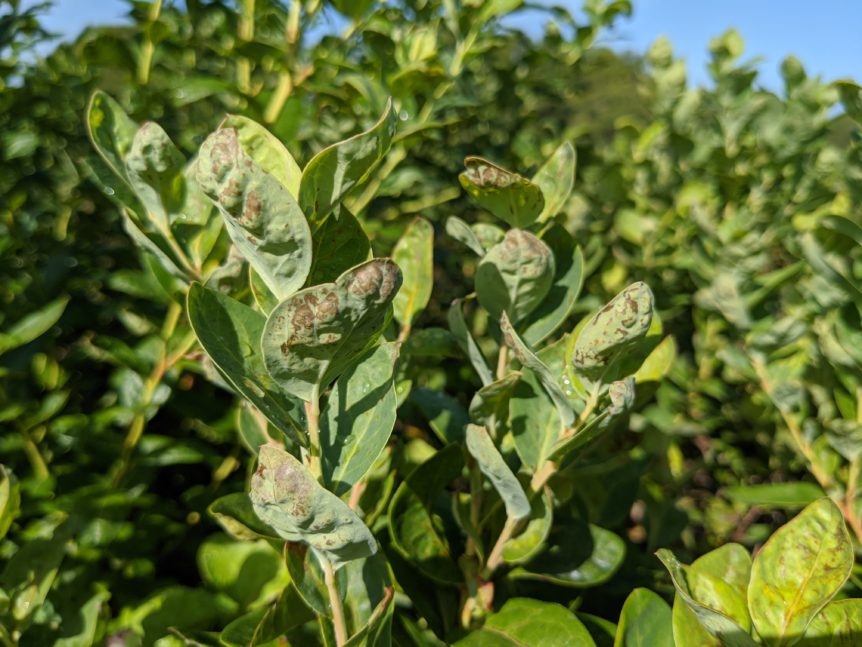
By Clint Thompson North Carolina (N.C.) berry farmers should be mindful of thrips. Not normally a problem for growers in North Carolina in past years, thrips have been gaining traction as a concerning pest recently, says Lorena Lopez, N.C. State assistant Extension professor of entomology and plant pathology. “Western flower thrips are the major thrips species that we have infesting …
Survey Says: Key Findings from Southern Region’s Vegetable Summary
The U.S. Department of Agriculture (USDA) National Agricultural Statistics Service (NASS) released key findings from a vegetable survey it conducted with growers in Florida, Georgia and South Carolina. Florida tomato production in 2024 totaled 638 million pounds, a decrease of 27% from 2023. The value of utilized production for tomatoes was $331 million, down 32% from last year. Sweet corn …
A Closer Look: Florida Citrus Show’s Vegetable Seminars
By Clint Thompson The Florida Citrus Show is less than a month away. Southeast specialty crop producers, including from Florida, Georgia and Alabama, are invited to attend this year’s show, scheduled for March 13 in Fort Pierce, Florida. While citrus is a major component of the daylong show, there is a vegetable seminar program scheduled for those wanting to learn …
North Carolina Specialty Crops Update
By Maegan Beatty North Carolina is a large contributor of specialty crops in the southeast. From peaches to seedless watermelon, the state grows a diverse set of fruits and vegetables for most of the year. In a recent interview with AgNet Media, North Carolina Commissioner of Agriculture Steve Troxler provides an optimistic outlook for 2025 and how the specialty crop …
Brooke L. Rollins Sworn in as Secretary of Ag
WASHINGTON, D.C. — Brooke Rollins was sworn in as the 33rd U.S. Secretary of Agriculture by Associate Justice of the U.S. Supreme Court Clarence Thomas in a private ceremony on Thursday at the Supreme Court building. The U.S. Senate confirmed Rollins by a vote of 72 to 28. “It is the honor of a lifetime to serve as the nation’s …
Specialty Crop Grower Magazine: Calls to Adjust H-2A Wage Rate Method
By Frank Giles Inflation has hit everyone’s pocketbook in recent years, but the agriculture sector has felt the squeeze more acutely than most. Increasing costs have impacted the H-2A visa program, which many specialty crop growers now rely on to source labor. For the past few years, significant increases in the adverse effect wage rate (AEWR) have been imposed on …