Specialty Crop Grower Magazine: Recommendations for Blueberry Scale Management in North Carolina

Clint ThompsonNorth Carolina

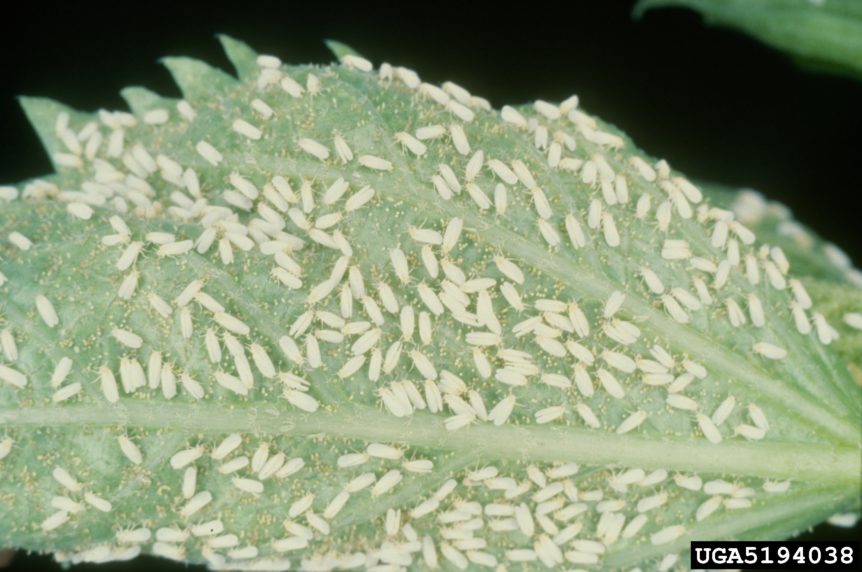
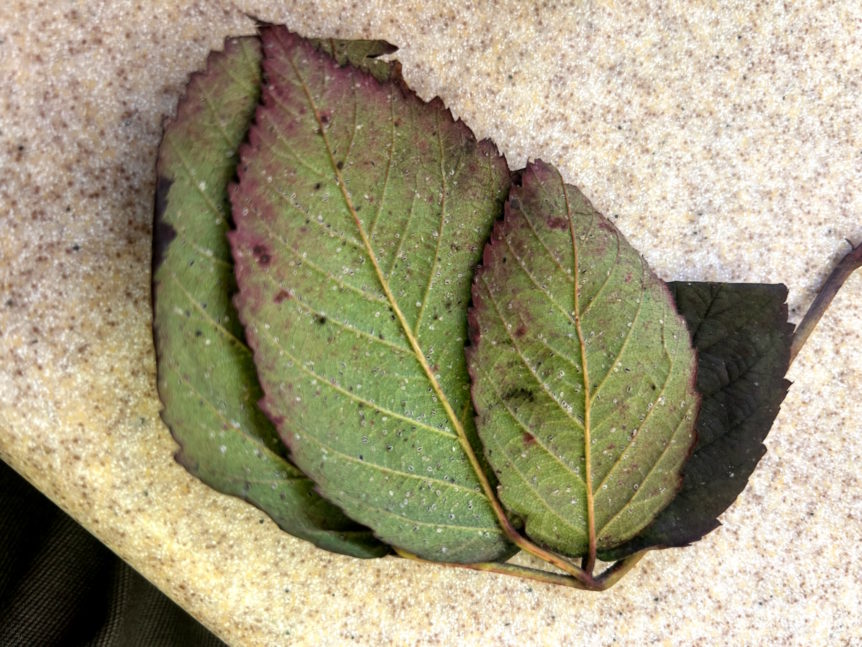
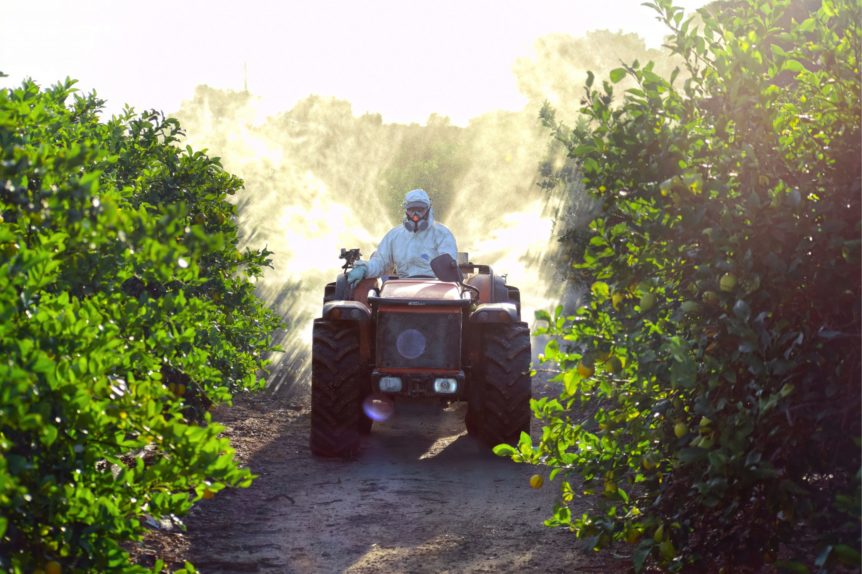
Scale insects can cause blueberry damage in several ways. The tiny pests suck plant sap out of foliage. In high enough numbers, scale can weaken the vigor and growth of blueberries. The pests also excrete honeydew, which can produce sooty mold on the plant and fruit. In excess amounts, honeydew and sooty mold can reduce the grade of fruit or …

Organic Farming Expansion? Could Be Answer to Rising Demand

Clint ThompsonFlorida

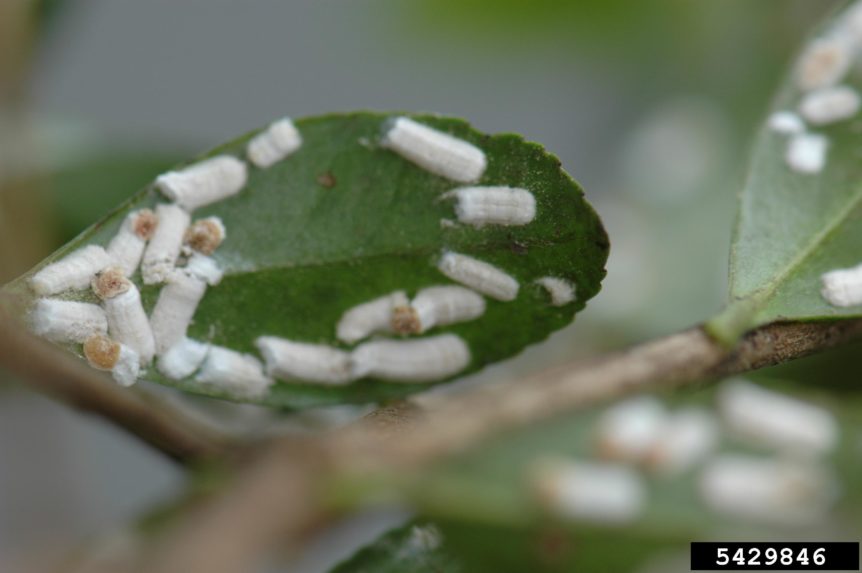
Consumer demand for organic fresh fruits and vegetables outweighs the availability of organic farms growing the food. In fact, while certified organic U.S. land for growing crops or livestock is increasing according to the U.S. Department of Agriculture, organic acreage is still less than 1% of American farmland. University of Florida Institute of Food and Agricultural Sciences experts and stakeholders …

Clemson Extension Agents Provide Crop Updates

Clint ThompsonSouth Carolina

Weekly Field Update Clemson Extension agents provide updates in The South Carolina Grower this week about the status of various crops being produced throughout the state. Coastal Region Anna Sara Hill Zack Snipes Midlands Rob Last Pee Dee Brittney King Upstate Andy Rollins Sponsored ContentNew Syngenta Varieties Offer Grower SolutionsFebruary 1, 2026Attribute® II Technology Adds More Flexibility and Strength to …

Pecan Nut Casebearer Update

Clint ThompsonGeorgia

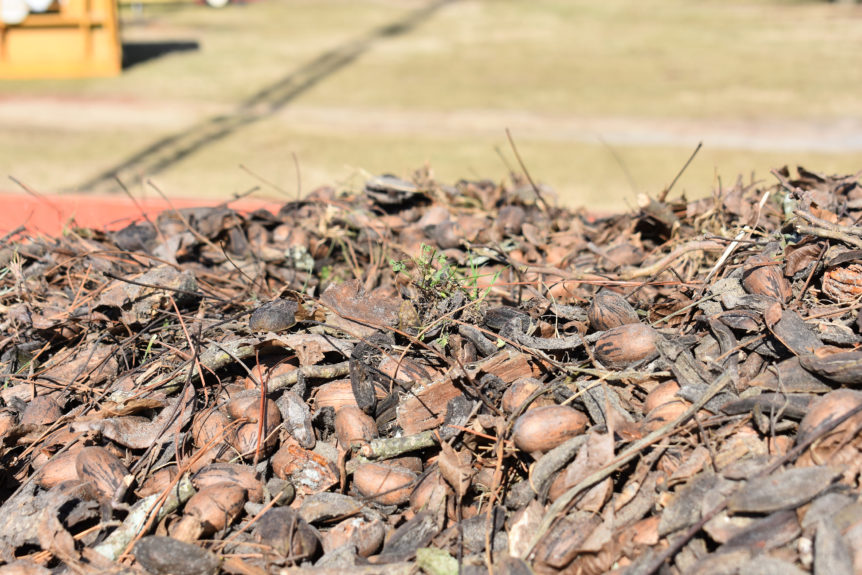
By Maegan Beatty Southeast pecan growers face an ongoing challenge from a tiny but destructive pest called the pecan nut casebearer. The insect targets young pecan buds and shoots in early spring, usually before the nuts have a chance to develop. If left unmanaged, infestations can severely reduce crop yields and weaken tree health. The pecan nut casebearer is most …

Specialty Crop Grower Magazine: Chlorpyrifos Ban to Begin

Clint ThompsonSpecialty Crop Grower Magazine

By Frank Giles and Clint Thompson Fruit and vegetable growers who use chlorpyrifos are reminded that the insecticide can only be applied to food crops until June 30, after which continued use will be banned. Grower Guidance University of Florida Institute of Food and Agricultural Sciences (UF/IFAS) researchers advise producers that the products that contain chlorpyrifos are “unlikely to be …

Specialty Crop Grower Magazine: Alabama Conference Addresses Sustainability, Marketing

Clint ThompsonAlabama

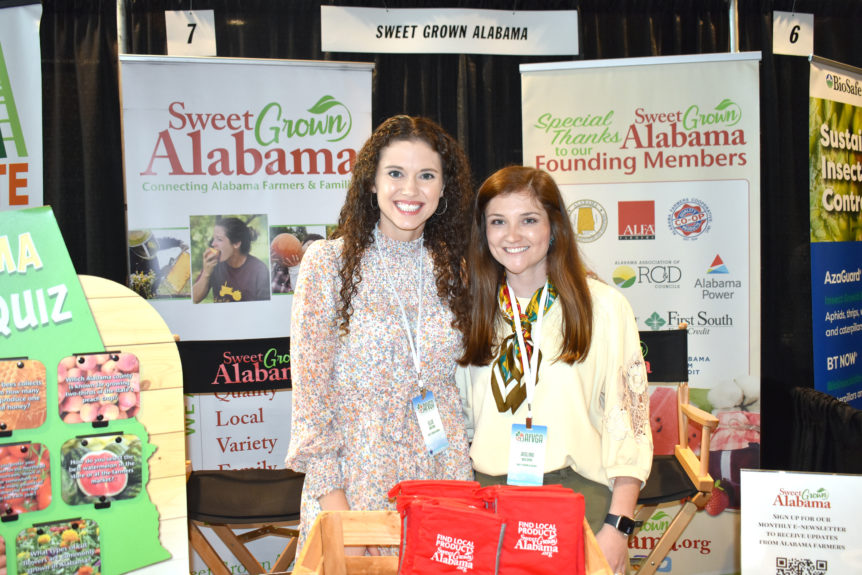
By Clint Thompson Sustainability was an underlying theme at this year’s Alabama Fruit and Vegetable Growers Association (AFVGA) Conference and Trade Show held Feb. 5–7 in Gulf Shores. Seminar sessions and workshops at the event addressed the following questions and more: “When the committee meets and talks about the sessions and what education topics we’re going to hit on every …

pest populations

Scout to Stay Ahead of Pest Populations

Dan CooperPests

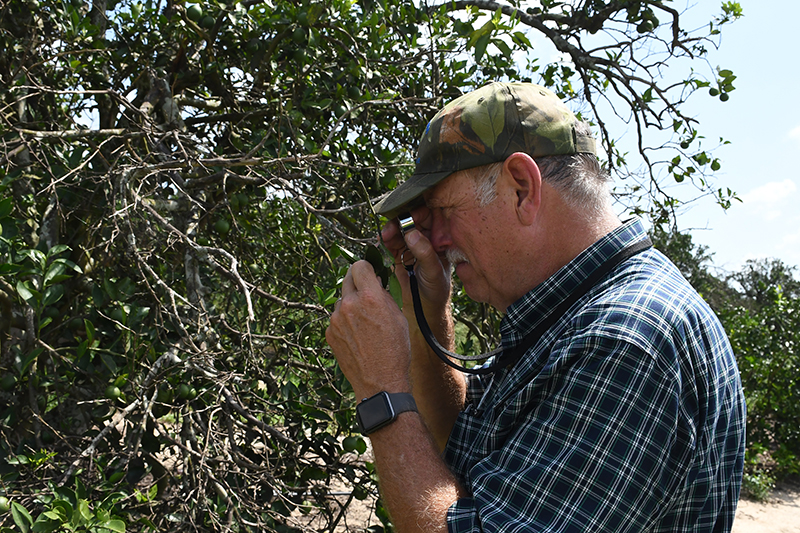
It is much better for Florida citrus growers to be proactive than reactive when managing pest populations. Scouting and monitoring citrus groves is crucial for growers who hope to thwart off impacts from insects like the Asian citrus psyllid (ACP). If growers are not successful, they will be behind the eight ball in minimizing the impact of these annual pests. …

Clemson Extension Agents Provide Crop Updates

Clint ThompsonSouth Carolina

Weekly Field Update Clemson Extension agents provide updates in The South Carolina Grower this week about the status of various crops being produced throughout the state. Statewide Tom Bilbo, Extension Entomologist Coastal Region Zack Snipes Midlands Rob Last Sarah Scott Pee Dee Christiana Huss Sponsored ContentNew Syngenta Varieties Offer Grower SolutionsFebruary 1, 2026Attribute® II Technology Adds More Flexibility and Strength …

psyllid

Now Is the Time to Knock Back Psyllid Populations

Dan CooperHLB Management, Pests, Psyllids

Now is the time for Florida citrus growers to implement management tactics to control the Asian citrus psyllid (ACP), the insect that vectors citrus greening, also known as huanglongbing (HLB). ACPs are currently in low populations across Florida’s citrus-producing region. That means growers should act now to protect their crop from the insect’s impact, says Chris Oswalt, University of Florida …