By Frank Giles For brassica growers, the diamondback moth reigns as the biggest pest problem they must fight. This is particularly true where the crops are produced year-round, like in Georgia. The pest is estimated to cause as much as $5 billion in crop losses every year worldwide. In the Southeast, cabbage, broccoli and collards are the preferred hosts of …
UF/IFAS Research Unlocks Control Methods Against Thrips Parvispinus
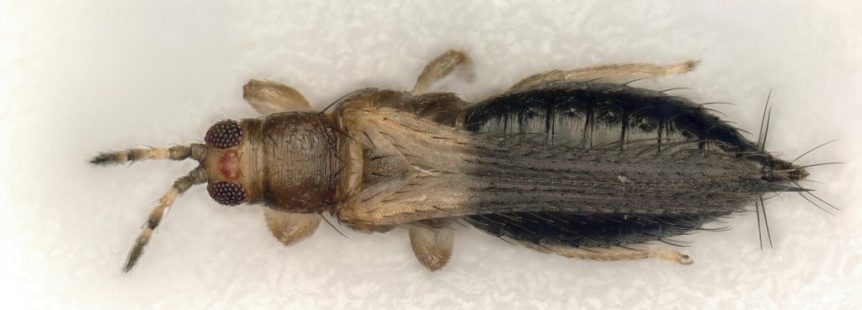
The invasive thrips parvispinus is a tiny, elusive insect that has spread across Florida with a growing appetite for various fruit, vegetable and ornamental crops. Since it first emerged in a central Florida greenhouse in 2020, the pest has caused significant damage to various industries and even spread to residential areas. In South Florida, the gardenia and mandevilla production industries experienced major …
Second Annual Drone Conference Scheduled for Feb. 26-29
AUBURN UNIVERSITY, Ala. — The Alabama Cooperative Extension System is hosting the second annual Spray Drone End-User Conference on Feb. 26-29 at The Lodge at Gulf State Park in Gulf Shores, Alabama. The first conference was held virtually in 2023, with 220 people in attendance. This year, Steve Li, an Alabama Extension weed scientist, and his team are offering the conference …
Best Practices for Corn Silk Fly Management
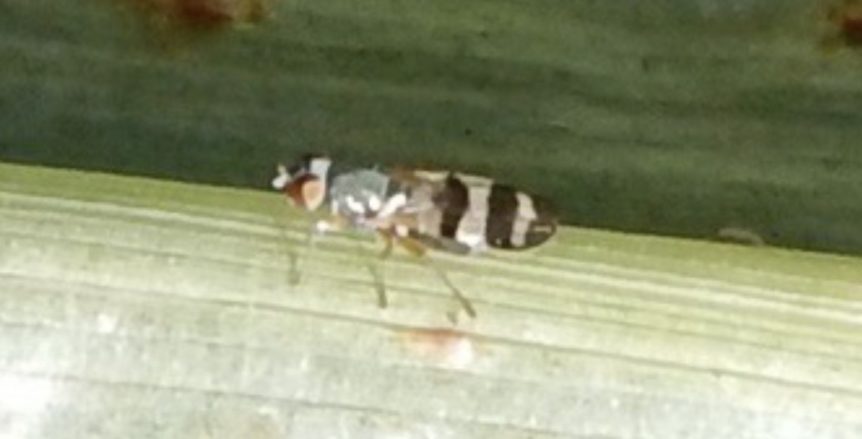
By Julien Beuzelin and Anna Mészáros Maggots feeding on silks, kernels and sometimes the cob of sweet corn ears harvested in Florida represent the greatest insect pest threat to the state’s fresh market sweet corn industry. These maggots are the larvae of three fly species known as corn silk flies. What to Look For Although the maggots of the three …
Corn Earworm a ‘Ridiculous’ Pest in South Georgia Sweet Corn
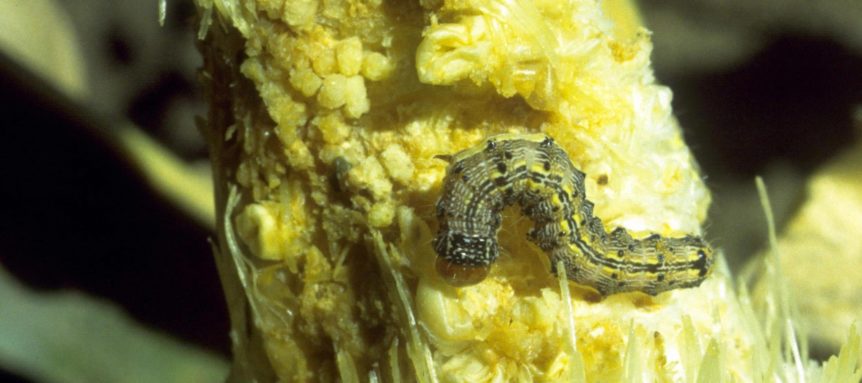
By Frank Giles Georgia is the third-largest fresh market producer of sweet corn in the United States with about 27,000 acres per season. Sweet corn is also the second-most valuable vegetable crop produced in the state. Consumers love sweet corn, but so do corn earworms (CEW), which have become increasingly problematic. With virtually zero tolerance for CEW in fresh sweet …
Sneak Peek: January 2024 Specialty Crop Grower Magazine
Specialty Crop Grower Magazine is a new publication for AgNet Media. It is a product of the merger of Florida Grower and Specialty Crop Industry magazines. The inaugural January issue features the specialty crop tracker, a record of the crop progress based on observations from producers, Extension agents and industry stakeholders throughout the Southeast. The crops highlighted include watermelons, strawberries, …
Other Fungicide Products Could Be Impacted by EPA
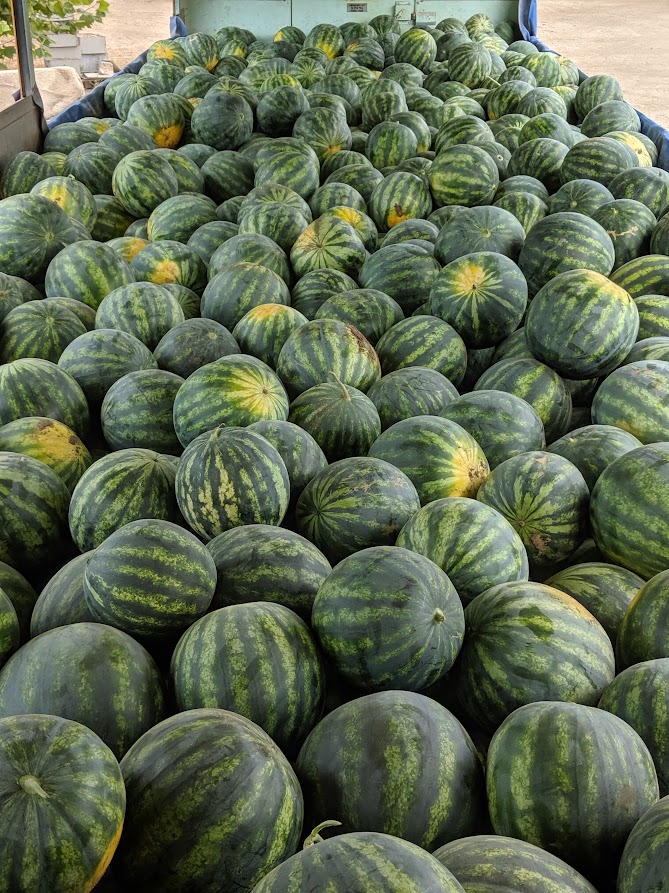
By Clint Thompson First chlorothalonil. What’s next for watermelon growers? It was the message delivered by Nick Dufalt, a plant pathologist with the University of Florida Institute of Food and Agricultural Sciences, to producers and industry leaders at the Suwanee Valley Watermelon Institute meeting in Fanning Springs on Nov. 30. Chlorothalonil’s usage could be reduced in the near future by …
South Florida Pest and Disease Hotline: Tomato Viruses on the Rise
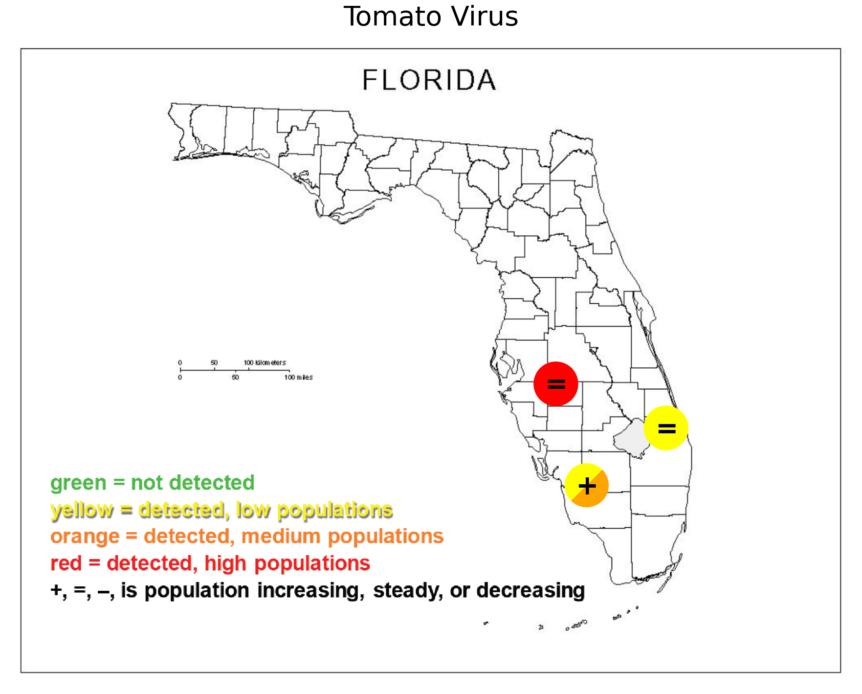
Tomato viruses are on the rise across the southern Florida region, according to the South Florida Pest and Disease Hotline. The Tomato Yellow Leaf Curl Virus (TYLCV) is up to 100% in the earliest plantings across central Florida. In Southwest Florida, some locations are reporting up to 5% of TYLCV. Along the east coast, reports of a rare plant with …
What’s Happening? Clemson Extension Agents Provide Crop Updates
Weekly Field Updates Clemson Extension agents provide updates in The South Carolina Grower this week about the status of various crops being produced throughout the state. Midlands Rob Last Pee Dee Brittney King Upstate Briana Naumuk Andy Rollins Sponsored ContentNew Syngenta Varieties Offer Grower SolutionsFebruary 1, 2026Attribute® II Technology Adds More Flexibility and Strength to Sweet Corn Pest ManagementJanuary 1, …
Chilli Thrips an Early-Season Problem for Florida Strawberry Producers
By Clint Thompson It would not be a strawberry season in South Florida if chilli thrips were not a nuisance for growers. But that appears to be the case again, according to one producer. “This year it seems like they’re moving into fields earlier,” said Dustin Grooms with Fancy Farms in Plant City, Florida. “We’ve already put some sprays out …