









By Ernie Neff Brian Pearson, a University of Florida Institute of Food and Agricultural Sciences assistant professor, discusses diverse research into production practices for the future growth of industrial hemp in Florida. He addresses fertilization, irrigation, pests and the light needs of the plant. Pearson works at the Mid-Florida Research and Education Center in Apopka. Pearson says there is “a …
Specialty Eggplants Yield Higher Value
By Karla Arboleda Clemson University researchers are studying the productivity of different specialty eggplants to determine their value over common eggplants. Anthony (Tony) Keinath, an Extension vegetable pathologist at Clemson University, is conducting fall trials on several eggplant cultivars. Their size and appearance determine their potential market success. “We are doing this with a minimal amount of pesticide inputs. The …
Whitefly and Diamondback Moth Management in South Florida
By Karla Arboleda Researchers at the University of Florida Institute of Food and Agricultural Sciences (UF/IFAS) are looking into products that are effective against whiteflies and diamondback moths in South Florida. Hugh Smith, vegetable entomologist at the UF/IFAS Gulf Coast Research and Education Center (GCREC), works to apply information growers share about their experiences toward better insect management in crops. …
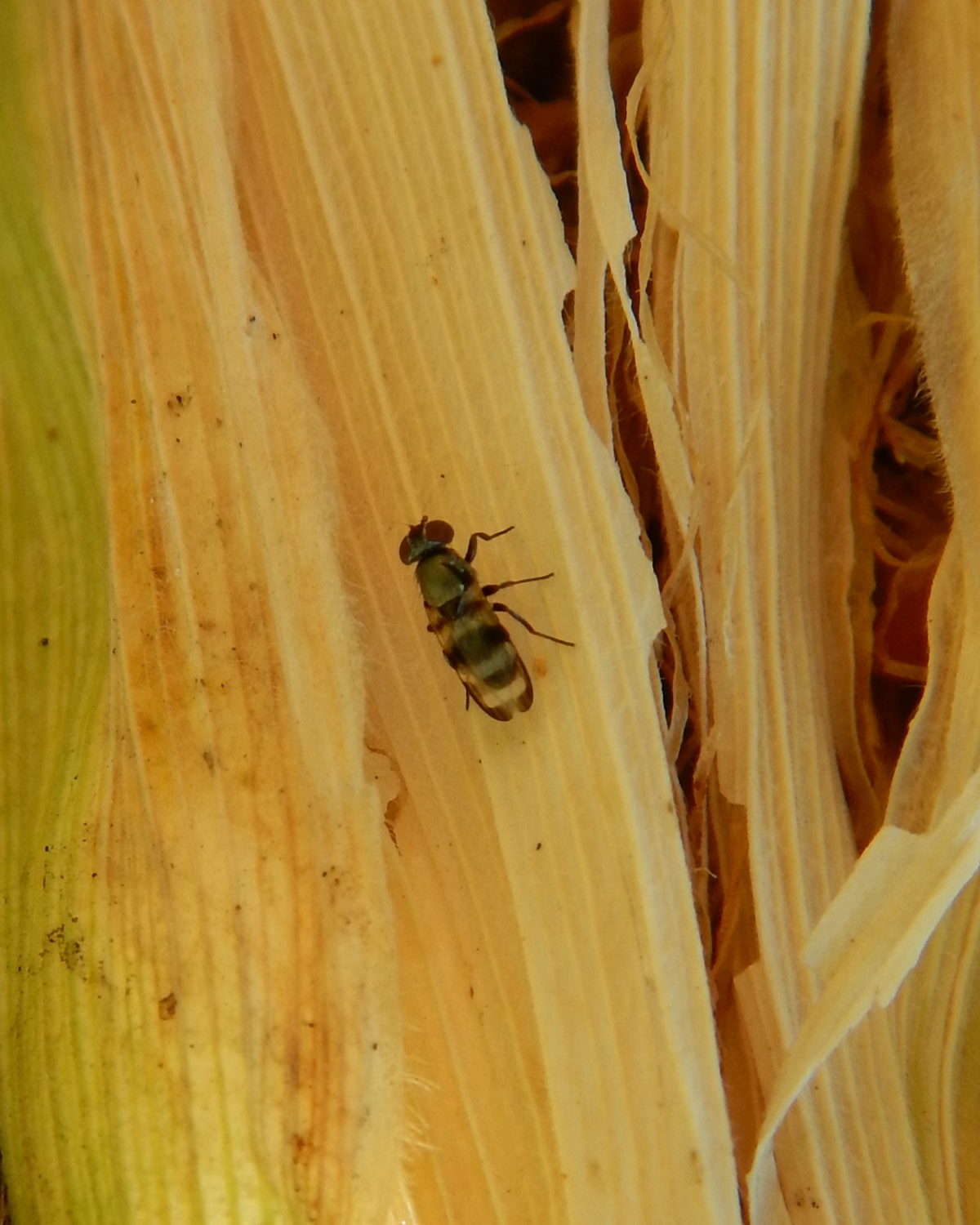
Managing Sweet Corn Silk Flies
Silk flies are a major pest for South Florida sweet corn growers, but Julien Beuzelin, assistant professor at the University of Florida’s Everglades Research and Education Center, is working to lessen the threat these pests pose. He gave an overview of his silk fly research at the recent Vegetable & Specialty Crop (VSC) Expo. According to Beuzelin, there are three …
New UF Extension Specialist Aims to Assist Small Fruit Growers
By Karla Arboleda Southwest Florida growers can expect help from new small fruit Extension specialist Sriyanka Lahiri. At the University of Florida Institute of Food and Agricultural Sciences (UF/IFAS) Gulf Coast Research and Education Center (GCREC), Lahiri works with strawberries and blueberries to develop a pest management program that uses less broad-spectrum insecticides. Appointed in February, Lahiri helps the small …
UF/IFAS Vegetable Production Handbook Debuts at Citrus Expo
GAINESVILLE, Fla. (UF/IFAS) — Last year, the Citrus Expo event broke new ground by adding a day-long program devoted to vegetables and specialty crops, curated by experts with the University of Florida Institute of Food and Agricultural Sciences. This year, when the program returns to Citrus Expo Aug. 14-15 at the Lee County Civic Center in North Fort Myers, organizers …
Pepper Weevil Prevention
By David Riley and Alton Sparks The pepper weevil (Figure 1) is one of the most serious pests of peppers in the Americas. This weevil was introduced into the United States from Mexico as early as 1904(Elmore et al., 1934). The weevil can effectively shut down pepper production if not controlled early enough in the growing season. Even with the …
Dealing with Spider Mites During Drought
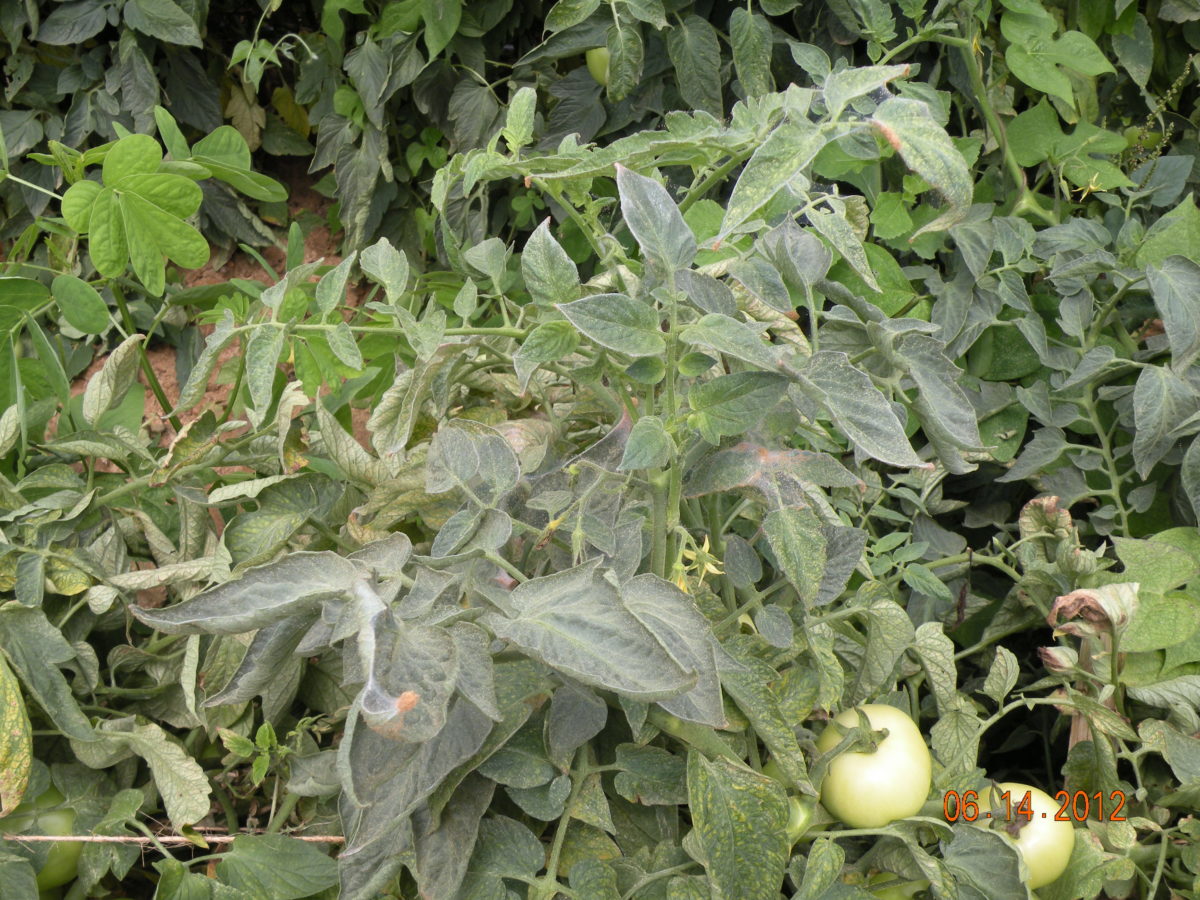
By Karla Arboleda Spider mites will feed on crops when the weather is hot and dry, but growers should use cultural control tactics before considering pesticides. Droughts raise the likelihood of seeing spider mites, but so does using pesticides that kill beneficial spider mites. Ayanava Majumdar, Extension entomologist with the Alabama Cooperative Extension System at Auburn University, says spider mites …
EPA Registers Long-Term Uses of Sulfoxaflor While Ensuring Strong Pollinator Protection
Registration provides benefits to growers and is supported by strong science that shows minimal risks for pollinators. The U.S. Environmental Protection Agency (EPA) is issuing a long-term approval for the insecticide sulfoxaflor— an effective tool to control challenging pests with fewer environmental impacts. After conducting an extensive risk analysis, including the review of one of the agency’s largest datasets on …
Scouting and Managing Spider Mites in Vegetables
AUBURN UNIVERSITY, Ala. – Summertime can be a productive season for growing vegetables. However, it is also a time that can be hot and dry. These are the perfect conditions for spider mites, pests that can cause widespread damage quickly. When present in high numbers, they can be pests for many aspects of farming. There are many species of spider …