









By Clint Thompson Watermelons are in short supply and high demand right now. Alabama produce farmer Art Sessions hopes to capitalize when his crop becomes ready the first week in June. “We’ve been getting watermelons out of Florida and they are scarce. Everything coming out of Florida is really tight on account of this virus deal,” said Sessions, who also …
Florida Farmer: People Are Buying and Supporting Us
By Clint Thompson Paul Allen’s point of emphasis has been clear recently: Support the American farmer. He believes the message has been received loud and clear. “We’re thinking all of the local and national attention we’ve gotten about us destroying our crops has brought the American public to the forefront to supporting the American farmer. I really believe that,” said …
Sanitation Key Following Harvest for Pest, Disease Control
By Clint Thompson Vegetable farmers are reminded they need to practice proper sanitation once harvest season ends. Doing so will protect against future pests and diseases. According to the South Florida Vegetable Pest and Disease Hotline, one of the best tactics that growers can do for themselves and their neighbors is to clean up crop residues promptly after harvest. Sanitation …
N.C. State Farmers Markets Continue to Encourage Social Distancing
From North Carolina Department of Agriculture and Consumer Services. RALEIGH – As North Carolina begins to open up, state officials are reminding shoppers at the four state-operated farmers markets in Asheville, Charlotte, Colfax and Raleigh to continue practicing social distancing and other safety measures while visiting the markets. “We have taken every precaution to ensure the safety of both farmers …
COVID-19 Guidelines for Agricultural Operations
By Laurel L Dunn for UGA CAES Newswire Farmers and food processors take routine steps to reduce the likelihood of foodborne pathogens, like Salmonella and E. coli, contacting our food and causing illness. The procedures that our food industry takes on a daily basis are also effective in reducing the chances that the coronavirus responsible for COVID-19 will come in …
Frost and Freeze Protection for Vegetable Crops
Written By Chris Gunter, N.C. State Extension Vegetable Production Specialist Weather predictions for this weekend include clear skies with minimal or calm winds, which are conducive to cold temperatures and could lead to freeze or frost conditions in North Carolina. On Sunday morning, May 10, low temperatures are predicted to drop into the 30s with some temperatures possibly below freezing …
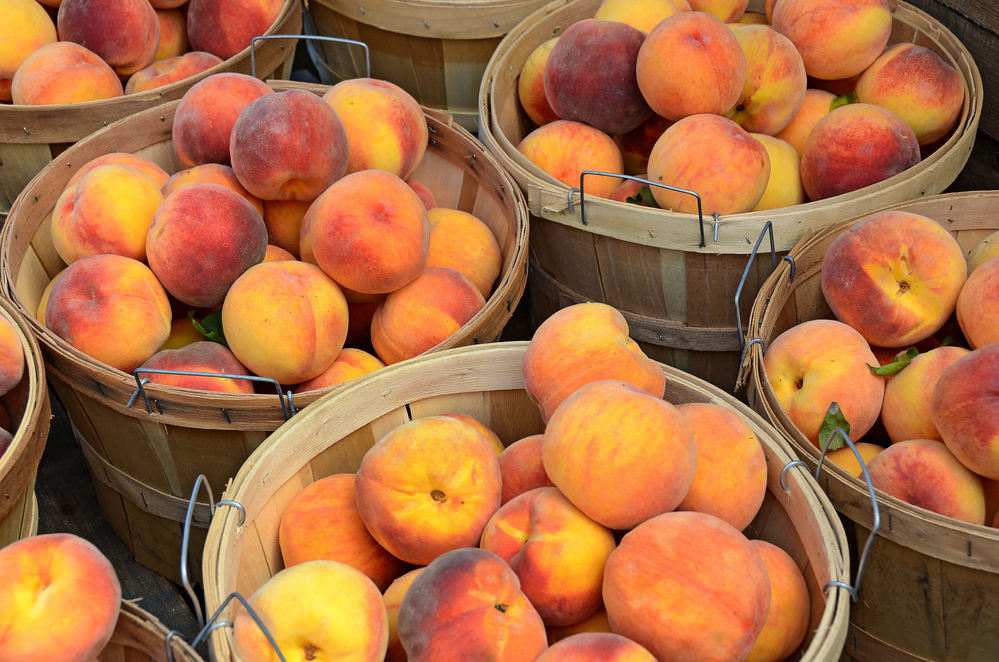
Be Careful How You Store Certain Fruits, Vegetables
By Clint Thompson University of Florida post-harvest plant physiologist Jeff Brecht cautions consumers about putting some fruit and vegetables in their refrigerators. Quality commodities like tomatoes, melons, avocados and peaches are chilling sensitive. Consumers need to be wary that too much cooling can affect the quality of certain produce. “I hear complaints about all of those where people say, ‘They’re …
Severe Drought in Alabama Having Little Impact on Produce
By Clint Thompson A severe drought in Mobile County, Alabama and Baldwin County, Alabama is not negatively influencing fruit and vegetable production, says Joe Kemble, Alabama Extension vegetable specialist. “Most of the veggies down there are irrigated,” Kemble said. “I don’t know anyone that doesn’t irrigate, frankly, in that area.” Irrigation is important in that area right now. In the …
Alabama Farmer: I Think Everybody’s Eyes Have Been Opened
By Clint Thompson Alabama fruit and vegetable farmer John Aplin has experienced a 500% increase in his strawberry customers this year. He believes it’s due to the ongoing coronavirus pandemic and its effect on people’s buying habits. “I know that we all didn’t get a 300, 400 or 500% increase in people who buy fresh fruits and vegetables this year,” …
Why Some Florida Growers Aren’t Breaking Soil
By Ashley Robinson When you think of Florida agriculture, hydroponic production in greenhouses or high tunnels probably isn’t the first thing that comes to mind. While the majority of the Sunshine State’s vegetable crops are produced outdoors, there is increasing interest in the use of protective structures for producing crops. Although the number of protected agriculture operations in Florida remain …