









(UF/IFAS) — When you hear the words “Plant City,” what comes to mind? Strawberries, probably. As thousands of people come to Plant City for the annual Florida Strawberry Festival this month, many will eat various types of the fruit. They may be surprised to learn that University of Florida scientists toil in nearby labs and fields to develop the best …
Seasonal Farm Trade Tensions Between the United States and Mexico
In spite of the good will generated after the United States and Mexico approved the U.S.-Mexico-Canada Agreement, there could be more tensions between the two countries surrounding produce. The Financial Post says Mexico responded to a letter from the top U.S. trade negotiator, Robert Lighthizer, pledging protectionist measures on seasonal farm trade for producers in the politically important states of …
Sneak Peek: February 2020 VSCNews Magazine
It is no secret that today’s growers are faced with many challenges. The February issue of VSCNews magazine explores how growers can meet some of these challenges. To be successful in farming requires a great deal of flexibility, determination and endurance. Vegetable grower Chuck Obern, owner of C&B Farms, Inc., embodies these traits and is highlighted in this month’s issue. …
Fried on USTR Commitments to Seasonal Produce Protections
(FDACS) — Florida Agriculture Commissioner Nicole “Nikki” Fried offered the following statement regarding formal commitments recently made by U.S. Trade Representative (USTR) Robert Lighthizer to protect American seasonal produce growers from unfair trade practices harming the industry: “While discouraging that the USMCA (U.S.-Mexico-Canada Agreement) and its implementing legislation lacked protections for our seasonal producers, I thank Ambassador Lighthizer for his formal commitments to …
Drones Detect Two Tomato Diseases With 99 Percent Accuracy
(UF/IFAS) — New technology being developed by University of Florida scientists identifies two dangerous tomato diseases with 99 percent accuracy. This finding is critical because diseases can cost growers millions of dollars annually in the state’s third most valuable crop. Thus, the earlier farmers detect those ailments, the better their chances of treating them before the diseases cause excessive damage. …

Commissioner Nikki Fried Comments on House Passage of USMCA
(FDACS) — The U.S. House passed the U.S.-Mexico-Canada Trade Agreement (USMCA). In response, Florida Agriculture Commissioner Nicole “Nikki” Fried offered the following statement: “It is deeply disappointing that seasonal protections were not included in this USMCA implementing legislation. For nearly a year, I have called repeatedly for effective, timely relief from unfair trade practices for America’s seasonal produce growers in the USMCA. …
New Precision Ag Facility Adds to UF/IFAS Arsenal to Fight Pests, Diseases
(UF/IFAS) — In a new, 8,500-square-foot building at the University of Florida Institute of Food and Agricultural Sciences (UF/IFAS) Gulf Coast Research and Education Center, weed scientist Nathan Boyd uses images of weeds to train computers to identify them. Those pictures can be used to help growers know when, where and how to control pests. Using this form of precision …
UF Researchers Developing Combinations of Fumigants to Fight Nutsedge
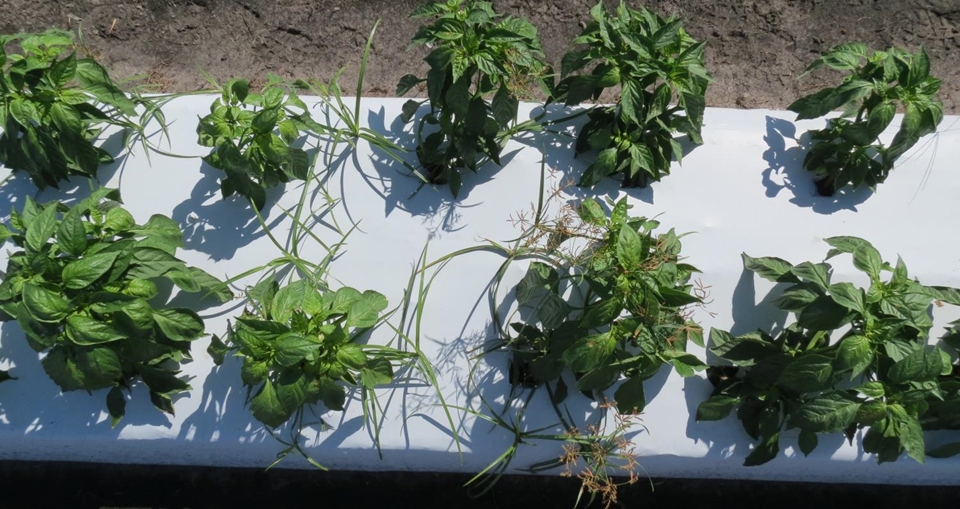
By Karla Arboleda Researchers at the University of Florida Institute of Food and Agricultural Sciences (UF/IFAS) are developing fumigant combinations to fight nutsedge. Nathan Boyd, an associate professor of horticulture at UF/IFAS, said options are limited when trying to control the weed. “Nutsedge is a problem because it’s the only weed that punctures the plastic mulch that we use,” Boyd …
Commissioner Fried on ITC Ruling on Mexican Tomato Threat
(FDACS) — The U.S. International Trade Commission (ITC) voted 4-0 affirming that imported Mexican tomatoes unfairly threaten the American tomato industry. The ruling came after the U.S. Department of Commerce recently reopened the antidumping investigation that began in 1996, and after finding that Mexican tomatoes had been dumped into the U.S. market at prices 21 percent below fair market value, on average. In …
ITC Affirms That Mexican Dumping Threatens U.S. Tomato Growers
(FTE) — In a unanimous decision, the U.S. International Trade Commission (ITC) made an affirmative determination that dumped Mexican tomato imports threaten the U.S. industry with material injury. This determination comes on the heels of an announcement last month by the U.S. Department of Commerce, which found that Mexican tomatoes had been dumped in the U.S. market at an average …