









Photo by Ryan Atwood
By Frank Giles and Clint Thompson
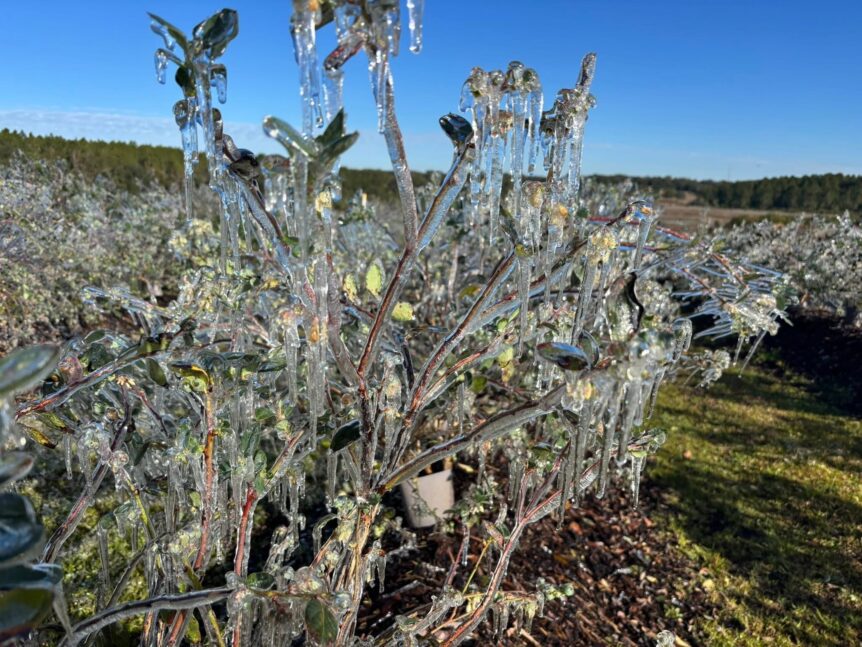
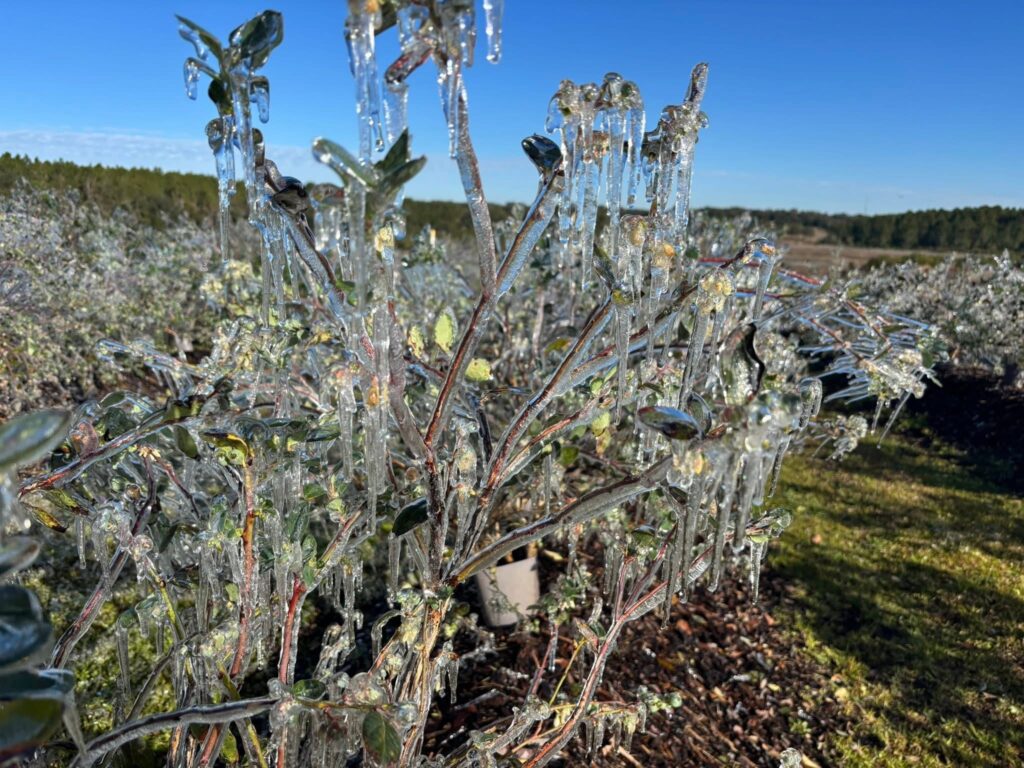
The freeze that struck Florida in late January and early February brought the coldest air to the state in more than a decade. Freezing temperatures caused significant damage to specialty crops across the state.
In many areas, the frigid temperatures held for hours, exacerbated by high winds that thwarted freeze-protection efforts many growers tried to deploy in their fields. By mid-February, the scale of the disaster was becoming more evident. This freeze will go down in history for its extensive crop damage.
In late February, the Florida Department of Agriculture and Consumer Services (FDACS) released its preliminary estimate for damage caused by the freeze. Total losses to agriculture were estimated to be $3.1 billion.
“Our preliminary estimate of over $3 billion in agricultural losses makes clear what we already knew: This was one of the most damaging freeze events for Florida agriculture in history,” said Florida Agriculture Commissioner Wilton Simpson. “It is also clear that our state’s farmers, ranchers and growers — who we rely on daily to feed and nourish our communities — need timely and substantial support.”
Prior to the freeze event and afterward, AgNet Media was reporting breaking developments through its websites (SpecialtyCropGrower.com, CitrusIndustry.net and SoutheastAgNet.com). The following information includes some of that coverage and affected crops.
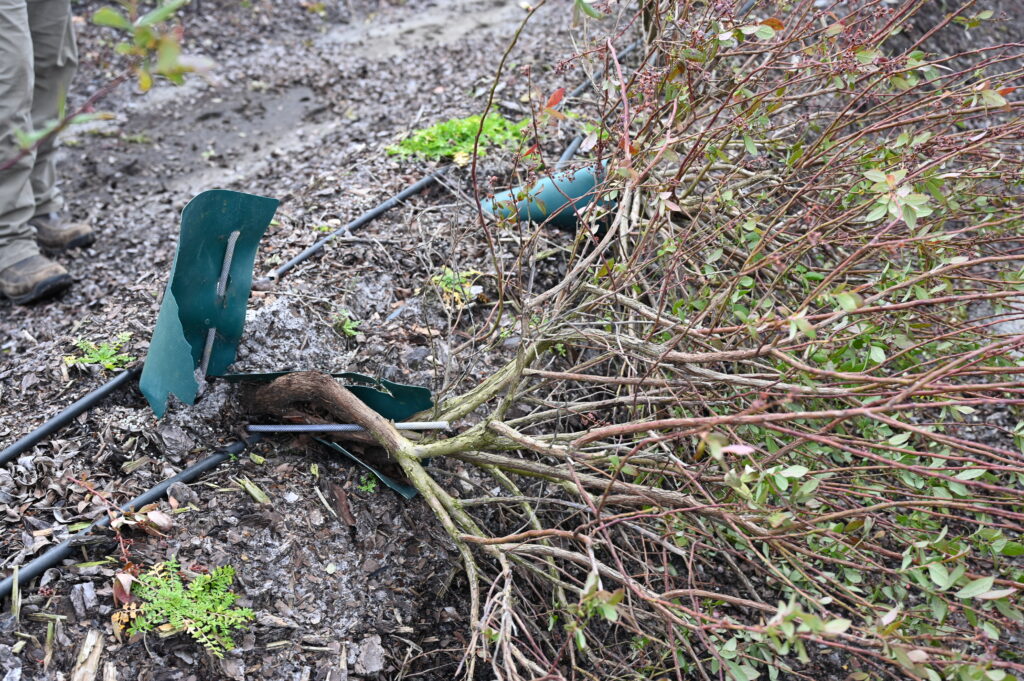
Photo by Frank Giles
Blueberries
The state’s blueberry industry has steadily been moving toward earlier-maturing varieties in recent years to take advantage of better pricing potential. Those varieties took a sharp blow from the freeze, especially in North and Central Florida.
After the freeze, the Florida Blueberry Growers Association and North American Blueberry Council organized a tour of blueberry farms to assess the scale of damage caused by the event. One of the stops was at H&A Farms in Mount Dora. The farm is in what several growers called “ground zero” for low temperatures and high winds.
Michael Hill, an owner of H&A Farms, emphasized the need for aid in his comments to those on the tour. Temperatures on his farm fell to the low 20s with winds up to 40 miles per hour. The H&A Farms packinghouse in Mount Dora handles about 35% of the Florida blueberry crop. Hill said estimates indicate that about 76% of the fruit H&A packs has been lost to the freeze. In addition to fruit loss, many plants were destroyed due to high winds and the weight of ice used to protect the plants. Damage to irrigation systems has also occurred.
The FDACS estimate put blueberry losses at more than $78 million.
Strawberries
The freeze hit at a critical time for Florida’s strawberry crop. While growers were mostly successful protecting plants with overhead irrigation, much of the bloom and fruit on plants at the time was lost.
That left a portion of the expected harvest lost due to the freeze. Volume had not picked up by the time Valentine’s Day came in mid-February. But Nick Wishnatzki, director of public relations for Wish Farms in Plant City, believed local growers would rebound.
“There is going to be a little bit of lost production, but for the most part, I think we pulled through it pretty well,” Wishnatzki said. “I think the quality is still going to be good moving forward after we get through this first cycle to pick off the bad, ripe fruit that can’t be marketed. Once we get past that, it’ll be all systems go. We’re optimistic we can still have a good successful season as it started that way as well.”
The FDACS estimate put strawberry losses at $306 million.
Citrus
Freeze damage to citrus can take longer to assess than other crops. It can take weeks before the full scale of damage is fully realized. Early reports indicate citrus-production regions fared differently based on how cold it got. Traditional “cold spots” saw more damage than other locations. In an HLB-endemic environment, any stress on plants is not good.
Fruit drop, limb dieback and dropped leaves were beginning to show within two weeks after the freeze. There also is concern about the potential of tree mortality in newly planted citrus blocks.
The FDACS estimate put citrus losses at nearly $675 million.
South Florida Crops
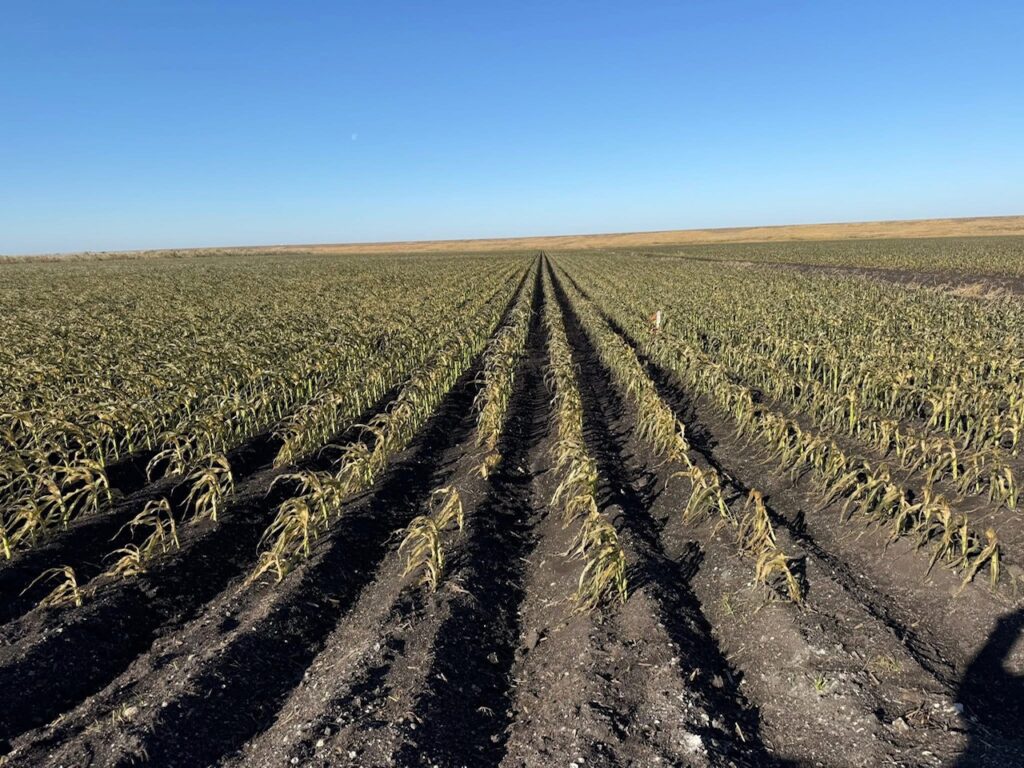
Photo by Keith Wedgworth
In South Florida, a wide variety of specialty crops felt the impact of the freeze. Immokalee, the Everglades Ag Area (EAA), Palm Beach County and Homestead all reported damage. Combined, the FDACS estimate put losses to agriculture in the region at hundreds of millions of dollars.
The University of Florida’s South Florida Pest and Disease Hotline reported on the damage. In the Immokalee area, most young sweet corn below tassel was severely damaged or lost. Green beans were a near total loss. Tomatoes suffered significant damage, but where protective covers were used, plants were stressed but viable. Older and mature peppers without covers were largely lost; younger plants seem to have held up better.
Cucurbits (squash, zucchini and cucumber) saw extensive frost damage. In watermelon, foliage burn was severe, but stems remained green and new growth was appearing soon after the freeze. Watermelon harvest may be delayed by up to two weeks.
Damage was reported to be moderate to severe in other areas. In the EAA, leafy greens saw moderate damage and leaf burn. With favorable weather, these crops are expected to survive, but marketable yields will be reduced.
Disaster Relief
Agricultural industry leaders knew this freeze would be significant, so actions were being taken before the freeze occurred. Simpson sent U.S. Department of Agriculture (USDA) Secretary Brooke Rollins a letter prior to the freeze alerting the agency that help would be needed quickly after the freeze.
During the blueberry tour, Simpson addressed the issue of disaster relief. While many of the applicable programs are administered by the federal government, Simpson said he’d advocate and push for quick action and flexibility. He noted he has a direct line to the White House and USDA, has been in close contact with both and would continue to share the historic nature of the freeze.
Simpson said that relief funds from the federal government block grant of $600 million from the hurricanes two years ago are just now becoming available. Those funds will be distributed through the agency he leads — FDACS. Now that the process of delivering the hurricane relief has been created and established, he is hopeful action will come faster after this freeze disaster. He added that growers can’t afford to wait for two years to receive relief.
“What I have asked the federal government to do is to provide some additional block grant dollars with the terms and conditions that we’ve already negotiated (under the $600 million grant),” Simpson said. “If my agency (FDACS) gets those resources, we will be able to immediately distribute them based on the formula that has been pre-agreed to with the federal government based on crop losses and things of that nature.
“I am hopeful they (federal government) understand the devastation, and I believe they do. In the coming month or so, if we can get the final numbers (on damage), we will get that information to the White House and our congressional partners, hopefully get a supplemental attachment in the budget process to get us those resources, and we can start distributing them.”
Video
Click here for video part of the digital magazine.