









By Clint Thompson
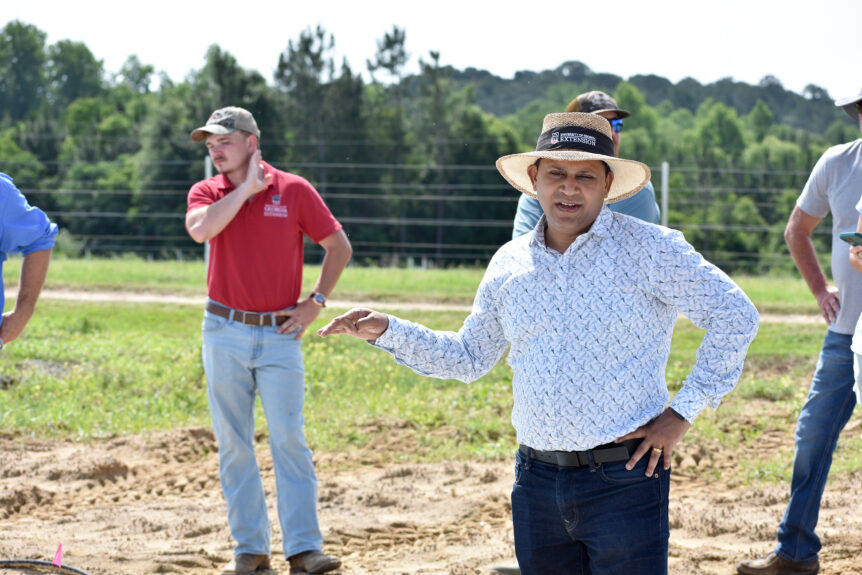
Fusarium wilt disease in watermelon fields causes Southeast growers to consider alternative management tactics to overcome this yearly challenge. Grafted plants is one of those options, though, it is not intended for all producers, explains University of Georgia Extension Vegetable Disease Specialist Bhabesh Dutta.
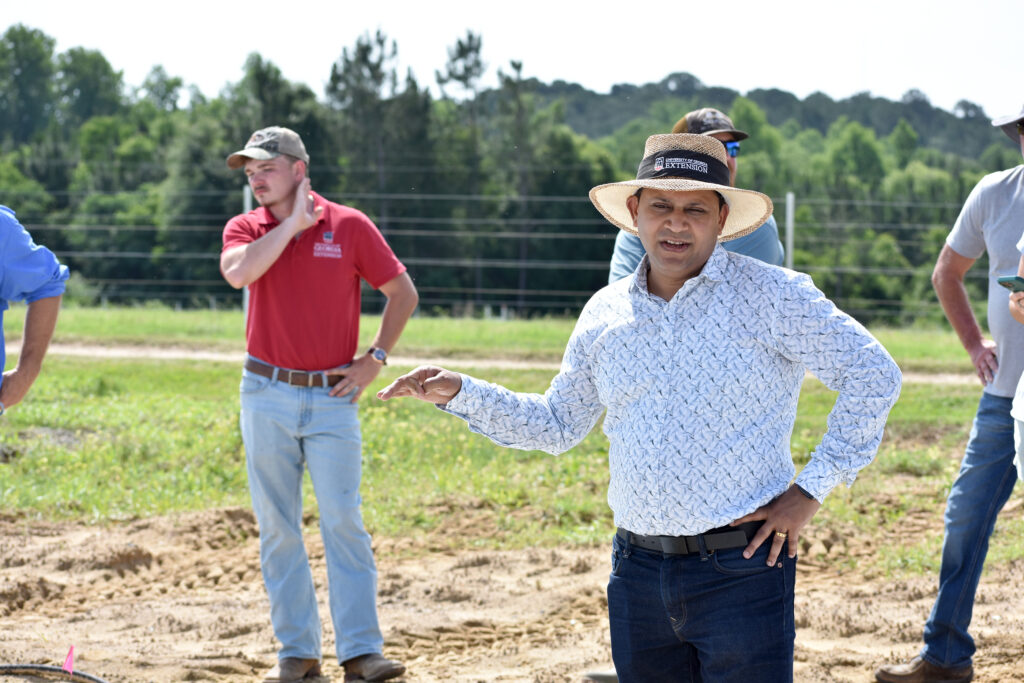
“This is not for everybody, and this is not for every situation,” Dutta said. “That’s why we have to decide how to best integrate and use it.”
Grafting Process
Grafting is a production practice where growers put a root system in the ground that either doesn’t get the disease or is highly tolerant of it. The process allows producers to plant a watermelon crop without fear of the disease impacting production.

But growers must understand it is a costly solution. It is estimated the added costs to double what a normal watermelon plant to be. Dutta believes “hot spots” in fields should be targeted with grafted plants, while other parts be treated with fungicides.
“What we envision, because the seedlings are very expensive, we may have to do a risk analysis of the fields before we decide to use the grafted seedlings or not,” Dutta said. “That involves a history of the field; how bad you’ve had fusarium before. Secondly, look at the fusarium population of the field. If you have a population that’s very high, you may think of putting them out there.”
Fusarium Wilt Disease
Fusarium wilt is one of the top limiting factors in key watermelon-production areas. The disease’s ability to impact the plant at any stage of growth makes it a significant threat to the crop every year. If symptoms appear at the seedling stage, the plants will not even make it to vines.
With years of research, Dutta has determined that Carolina Strongback has performed consistently across fields impacted by fusarium wilt disease.
“It’s the commercial standard for watermelon against fusarium wilt,” Dutta said, “in fields with heavy infestation of fusarium wilt.”