









By Clint Thompson
Soil tests are a key management strategy for vegetable growers looking to remain sustainable. While soil tests are usually conducted in the fall, it never hurts for farmers to get a refresher on their importance.
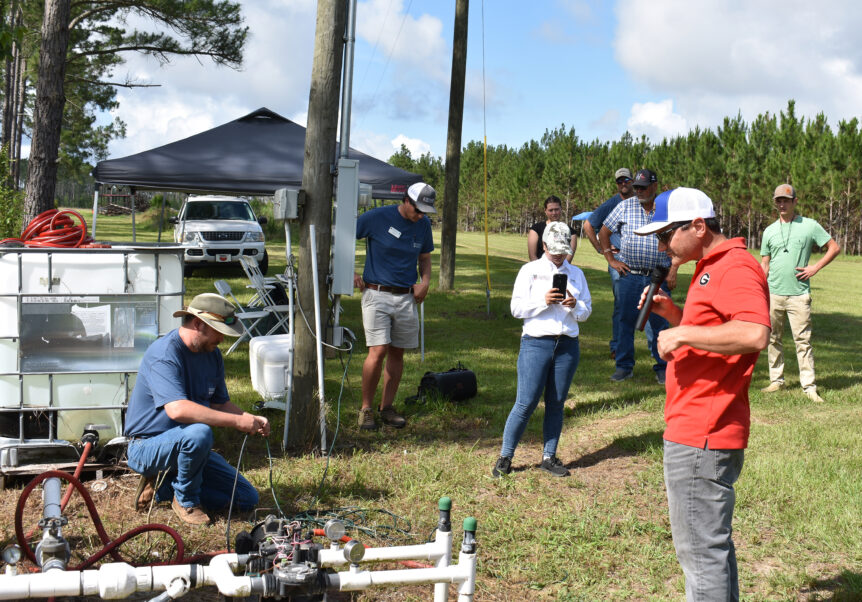
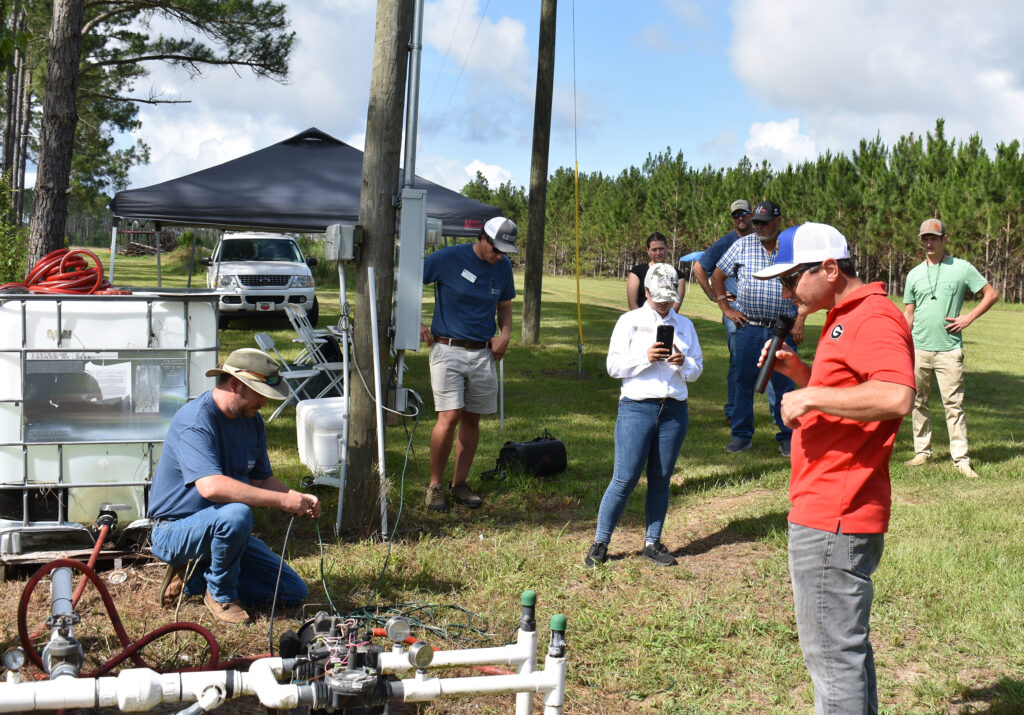
Ted McAvoy, University of Georgia Extension vegetable specialist, stressed soil tests’ importance during the recent Georgia-Florida Irrigation Expo held at the University of Georgia Vidalia Onion and Vegetable Research Center in Lyons, Georgia on June 10.
“Obviously a soil test is telling you what you cannot see. You know, it helps you understand what’s being done under the soil,” McAvoy said. “It makes a ton of difference because you might need it and it’ll have a big payoff. You might not need it, and it would save you money from applying something you don’t need. And then, you know, if you keep applying without knowing, you could get into a toxicity situation. So yeah, it’s always good to look at what you need and apply the right thing.”
Soil tests indicate what nutrients might be lacking in the soil and which ones might be in abundance. It behooves growers to know this before spending time and money in applying nutrients through the drip system.
“Here we have naturally acidic soil, so low pH. We have the lime to increase the pH. So, you want to put your lime out if you need it to increase the pH several months in advance for it to activate and incorporate it,” McAvoy said.
“If you have low calcium but you don’t need to adjust your pH, you could put out gypsum. As far as lime, it’s usually the lime source, and I’m going back and forth, the lime source that’s available to you. We recommend dolomitic lime if you could get it because that has magnesium as well. Calcitic lime doesn’t have magnesium, but if you do have calcitic lime, you could put out Epsom salts. That’s magnesium sulfate for a magnesium source.”