









By Clint Thompson
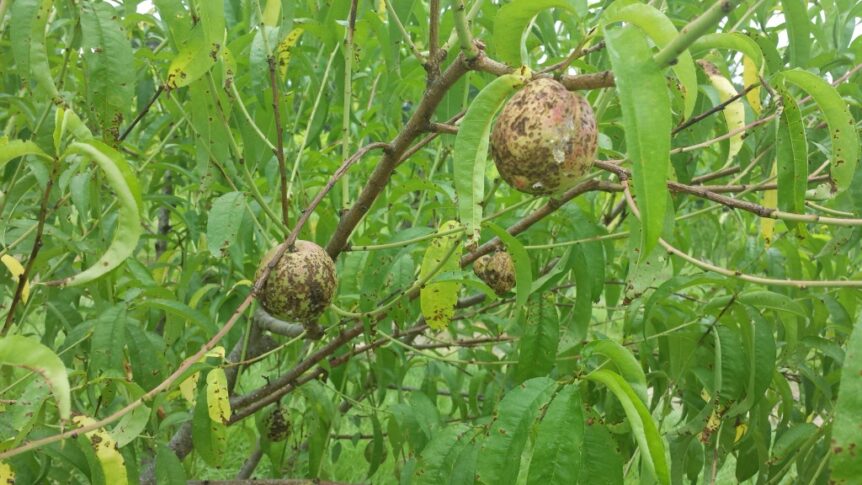
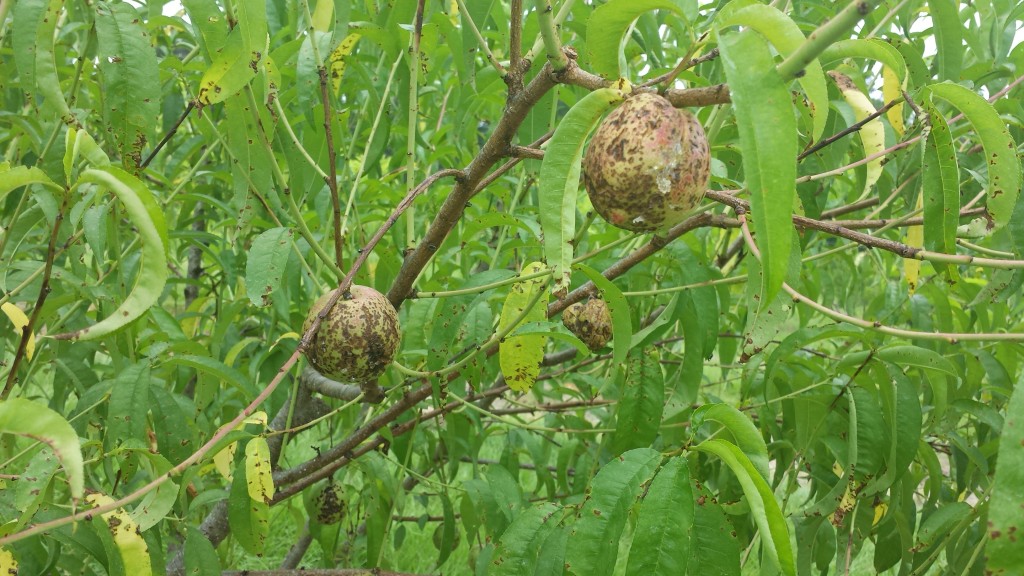
Bacterial spot disease was problematic for Georgia peach producers in 2025. In fact, one industry expert believes it was the worst it has been in about two decades.
“It’s the worst bacterial spot year that we’ve had in about 20 years. We’ve had other years that were like this, but these are just devastating when you look at the loss,” said Phil Brannen, University of Georgia (UGA) Cooperative Extension fruit disease specialist. “In some cultivars, we lost 100% of peach fruit. Across the board it was a very high percentage of loss last year.”

Brannen spoke about the disease during the Southeast Regional Fruit and Vegetable Conference in Savannah, Georgia, on Jan. 9. He attributed the disease’s impact to the deluge of rainfall that was persistent throughout the year.
“Wet weather and timing of the wet weather was critical. I think we missed some critical sprays early in the season, possibly, or in mid-season. The early peaches in particular had a problem,” Brannen said. “Then we had a period where we didn’t have a crop and then later in the season, as the rain continued, some of the other cultivars had some more issues as well. It was a pretty significant year for bacterial spot.
“It just rained a lot. That’s the bottom line. It was just a tremendous amount of rain.”
Bacterial spot is a sporadic leaf-spot disease that can cause defoliation in certain cultivars. Spots can also appear on the fruit, causing damage and leaving fruit unmarketable.
Growers start spraying in the dormant period to protect against bacterial spot before bloom. They will apply a large rate of copper before coming back with an antibiotic or copper after bloom through the season.