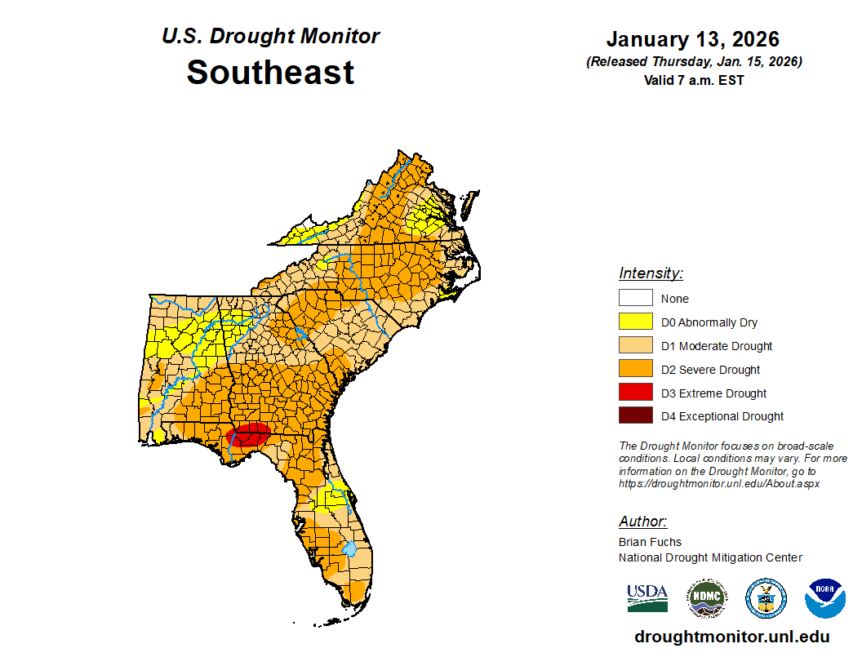
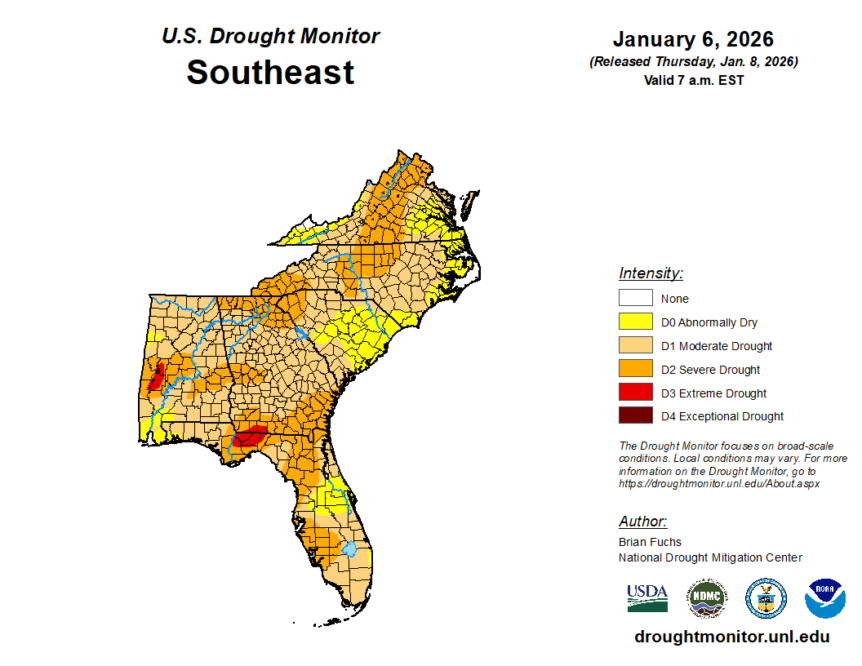
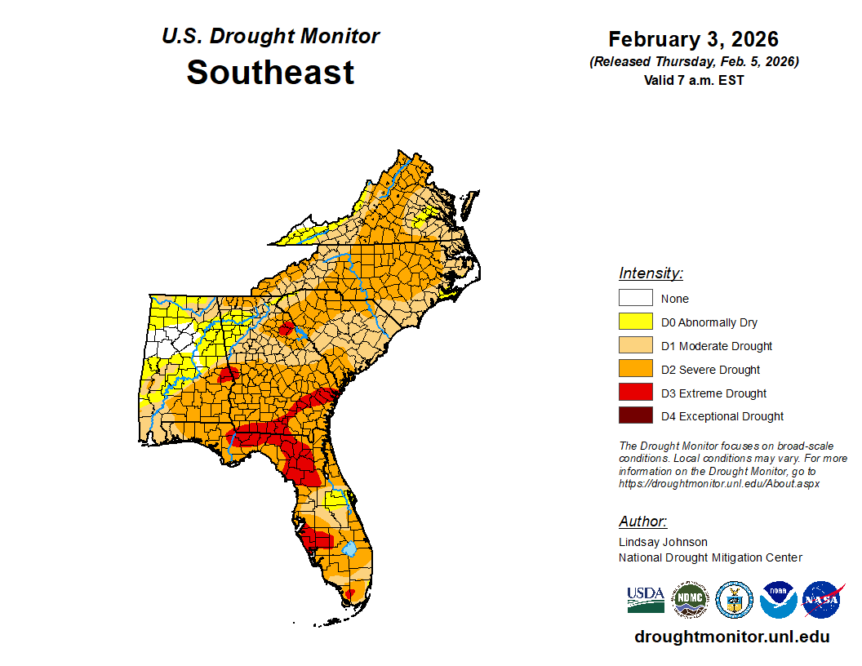
Extreme drought conditions are spreading in South Georgia and North Florida, according to the most recent release of the U.S. Drought Monitor. Georgia’s driest area remains in the southern part of the state. Extreme conditions start in Seminole and Decatur counties, spread eastward to Lowndes and Echols counties and then northeastward to Liberty, Bryan and Chatham counties. All of the …
Industry Leader: AEWR Had Adverse Effect on American Producers
By Clint Thompson The Adverse Effect Wage Rate (AEWR) was designed to avoid having an adverse effect on American farmers. That has not been the case, however. It’s a message that those in the agricultural industry voiced to legislative leaders amid spiraling AEWR wages used to pay workers in the H-2A program. It ultimately led the Department of Labor to …
AFVGA Executive Director: Document Any Kind of Freeze Damage
By Clint Thompson Last weekend’s plunging temperatures and dangerously low wind chills across the Southeast was another weather challenge for the region’s specialty crop producers. Now that the coldest weather so far this year has passed, growers must now take stock of any damage to their crops, says Blake Thaxton, Alabama Fruit and Vegetable Growers Association (AFVGA) Executive Director. “We’re …
Cold-Hardy Citrus Damage Expected From Incoming Freeze
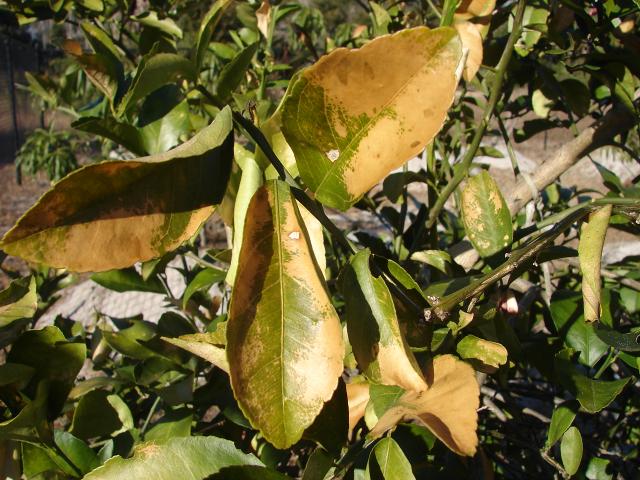
Trees in the cold-hardy citrus region have already experienced severe cold weather in 2026. If forecasts come to fruition this weekend, freezing temperatures will make things worse. Mary Sutton, University of Georgia (UGA) assistant professor and citrus Extension specialist, discussed the impact of recent sub-freezing temperatures that citrus in North Florida, South Georgia and South Alabama has been subjected to. …
UGA Extension Monitoring for Psyllid Movement
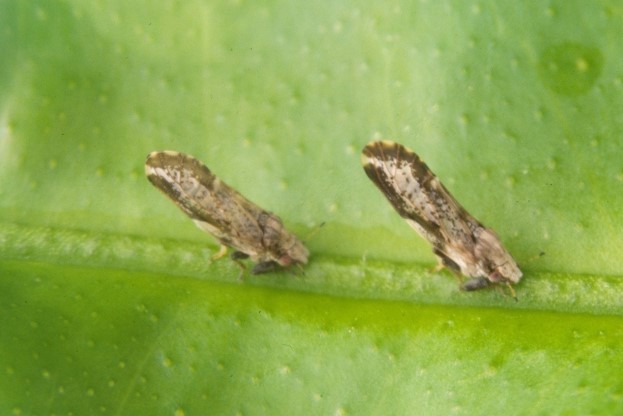
The vector of citrus greening disease remains in low numbers in Georgia. University of Georgia (UGA) researchers are hoping the Asian citrus psyllid (ACP) stays that way. Led by UGA entomologist Apurba Barman, UGA Extension is monitoring for the insect in hopes of limiting its migration throughout South Georgia. “The good thing is, so far, we’ve found ACP in only …
Drought Update: Conditions Remain Dire Across Southeast Region
Drought conditions continue to linger across the Southeast, according to the Jan. 15 release of the U.S. Drought Monitor. Alabama The driest area remains in Southeast Alabama, South Georgia and North Florida. Severe conditions in Alabama start in the southeast corner of the state in Houston and Henry counties, expand northward to Lee and Chambers counties and westward to Escambia, …
Government Shutdown Impacted H-2A Worker Availability for Florida Farming Operation
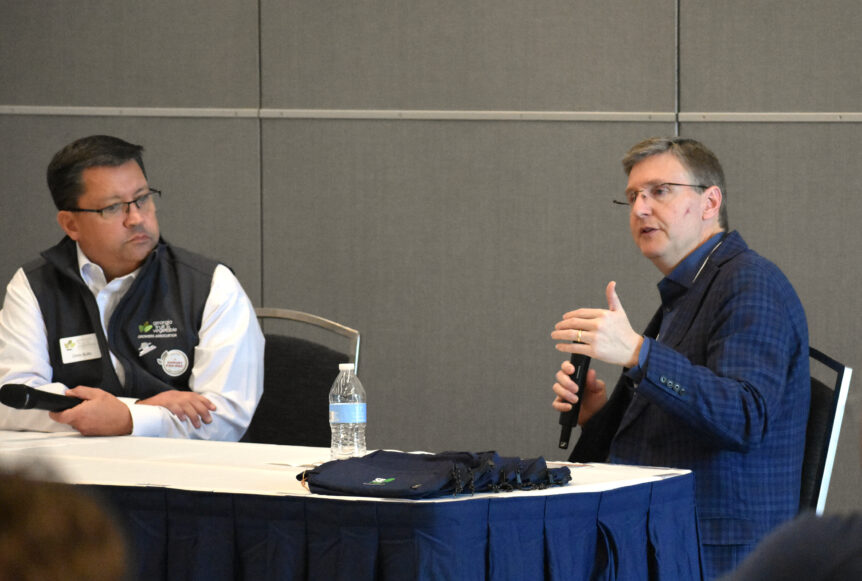
By Clint Thompson Fruit and vegetable farmers from across the Southeast were in Savannah, Georgia, during the second weekend of January to attend the annual Southeast Regional Fruit and Vegetable Conference. Producers from Georgia, Florida, Alabama and the Carolinas attended the show which was bigger and better this year. Many discussed the issues and concerns they have heading into this …
Gibberellic Acid May Help Manage Alternate Bearing
A common management tool that Florida citrus growers use to improve the health of trees impacted by citrus greening disease could be a valuable resource for cold-hardy producers — but for a different reason. Mary Sutton, University of Georgia assistant professor and citrus Extension specialist, discussed the tool gibberellic acid (GA) at the recent Southeast Regional Fruit and Vegetable Conference …
2025 Weather Recap: Drier Than Normal Conditions in Southeast
By Clint Thompson Weather statistics for 2025 indicated a drier than normal year for the Southeast. It was the driest in Florida, South Georgia and Alabama, according to Pam Knox, University of Georgia (UGA) Extension agricultural climatologist. She noted in the UGA Climate and Agriculture Blog that last year’s weather, especially during the fall, was warmer and drier than usual. …
What’s the Timeframe? Transitioning to Organic Production
Specialty crop producers interested in transitioning to organic production must understand the significant timeframe associated with the transition. Alabama Extension reminds growers that, in order for farms to become certified organic, farms must undergo a transition period of at least three years during which no prohibited substances, like synthetic pesticides, can be used. Growers must adhere to organic practices during …