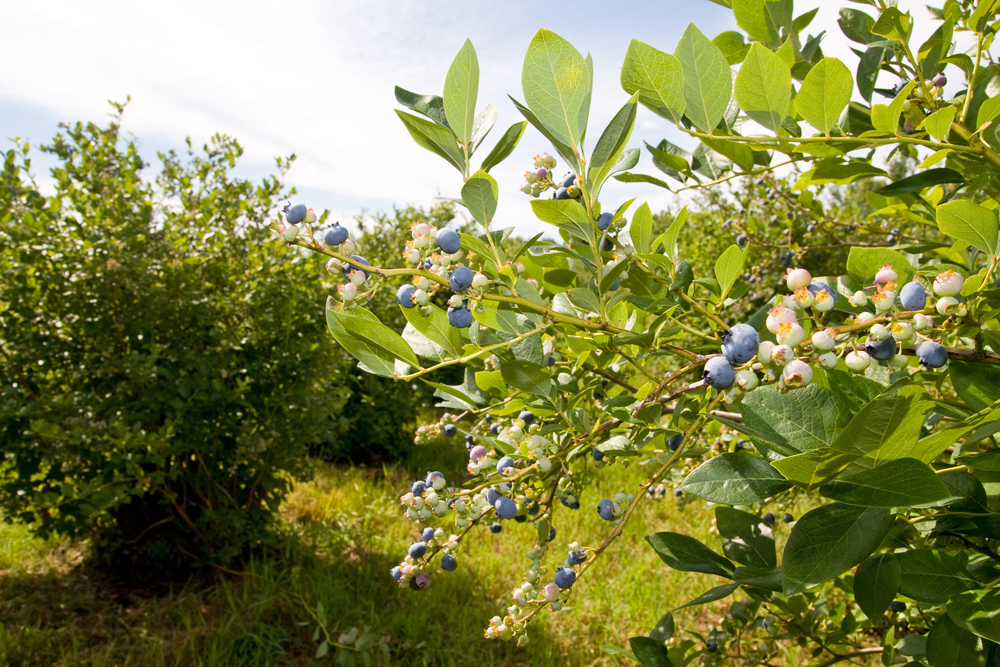
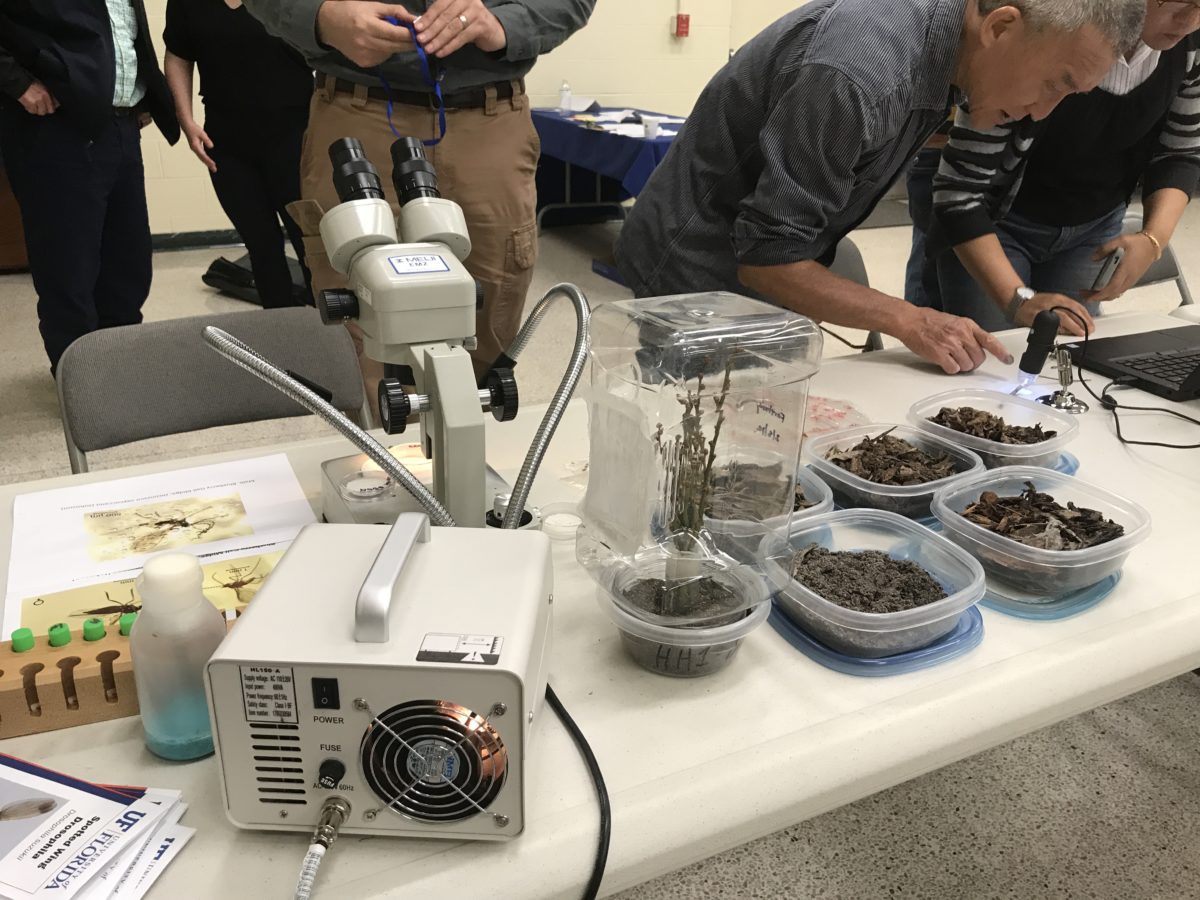
By Breanna Kendrick Alternative chemicals are being researched to replace hydrogen cyanamide, a plant growth regulator that is used in Florida on blueberries to improve fruit earliness and develop more concentrated fruit set. Shinsuke Agehara, University of Florida Institute of Food and Agricultural Sciences assistant professor at the Gulf Coast Research and Education Center in Balm, is conducting research on …
Senators Take Aim at Unfair Trade Practices Hurting Florida Fruit and Vegetable Growers
U.S. Senators Bill Nelson (D-Fla.) and Marco Rubio (R-Fla.) introduced legislation to help Florida fruit and vegetable growers combat unfair trade practices. The bill comes amid long-standing and increasing complaints from Florida farmers that Mexican growers illegally flood the U.S. market with subsidized produce during the winter season. Florida is one of the few places in the country that can …
Georgia Produce Industry Disappointed by U.S.-Mexico Trade Deal
A deal that could be the beginning of the North American Free Trade Agreement (NAFTA) 2.0 was made between the United States and Mexico earlier this week. Although this may look good for NAFTA renegotiation talks, Georgia produce growers are not happy about the deal and what it could mean for NAFTA going forward. Charles Hall, executive director of the …
Selecting Herbicides for Stone Fruit
By Breanna Kendrick With perennial crops such as stone fruits, growers are limited in their weed management options because they can’t choose practices like crop rotation. Therefore, selection of proper herbicides is critical for effective weed control. Peter Dittmar, assistant professor with the Horticultural Sciences Department at the University of Florida Institute of Food and Agricultural Sciences, specializes in weed …
Precision Application of Dry Fertilizer in Wild Blueberry Fields
By Arnold Schumann, Qamar Zaman, Hassan Chattha, Scott Read and Aitazaz Farooque The wild blueberry (Vaccinium angustifolium) is a perennial, shrubby, slow-growing plant that is native to northeastern North America. Commercial wild blueberry fields are developed by removing competing vegetation and debris from natural mixed forest, because they cannot be successfully planted. Establishment of a commercially productive field of wild …
Vegetable and Specialty Crop Seminars Pack a Punch
The 27th year of Citrus Expo is expected to be the biggest year yet with an added vegetable and specialty crop educational program. AgNet Media has always relied on University of Florida Institute of Food and Agricultural Sciences professionals to help create an informative program for growers. This year, Gene McAvoy, a regional vegetable Extension agent, led the efforts in …
UF/IFAS Hopes to Grow Vanilla, Meet Consumer Demand
For dessert, how about a scoop of ice cream flavored with vanilla from Florida’s farmers? Because so many consumers enjoy vanilla, University of Florida (UF) scientists hope to help Florida farmers grow the bean. Consumers have an appetite for vanilla. The United States leads the world in imported vanilla beans, said Alan Chambers, an assistant professor of horticultural sciences at …
Taking Precautions for Increased Rain
By Breanna Kendrick With widespread rain in Florida for the past week and a half and another week of rain forecasted, growers are becoming concerned about what this might mean for their crops. For the past seven days, rainfall has ranged from 1.20 to 9.43 inches in Florida. Depending on location, the rain has either been devastating or vital for …
Georgia Blueberry Growers Suffer Second Consecutive Year of Loss
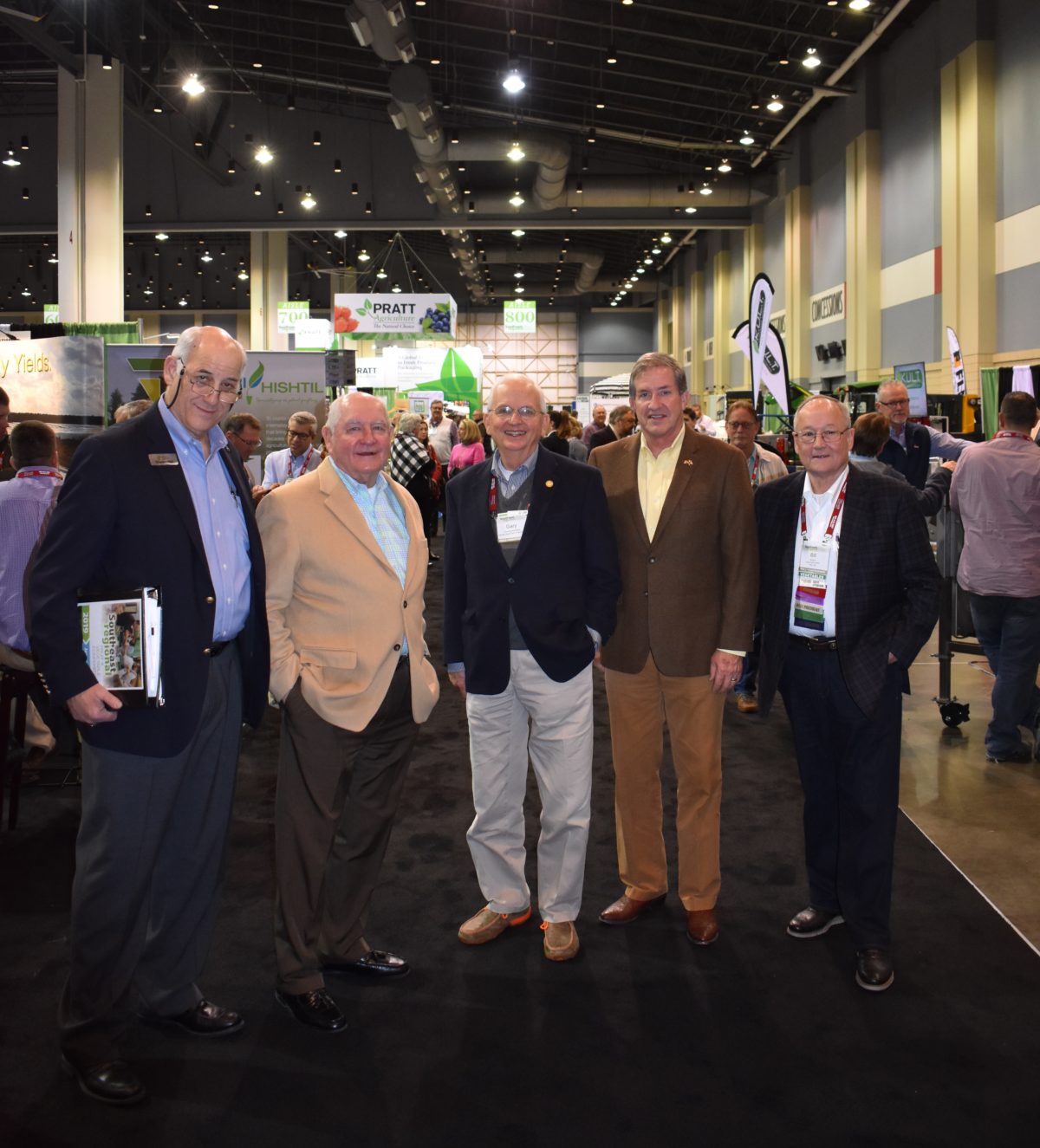
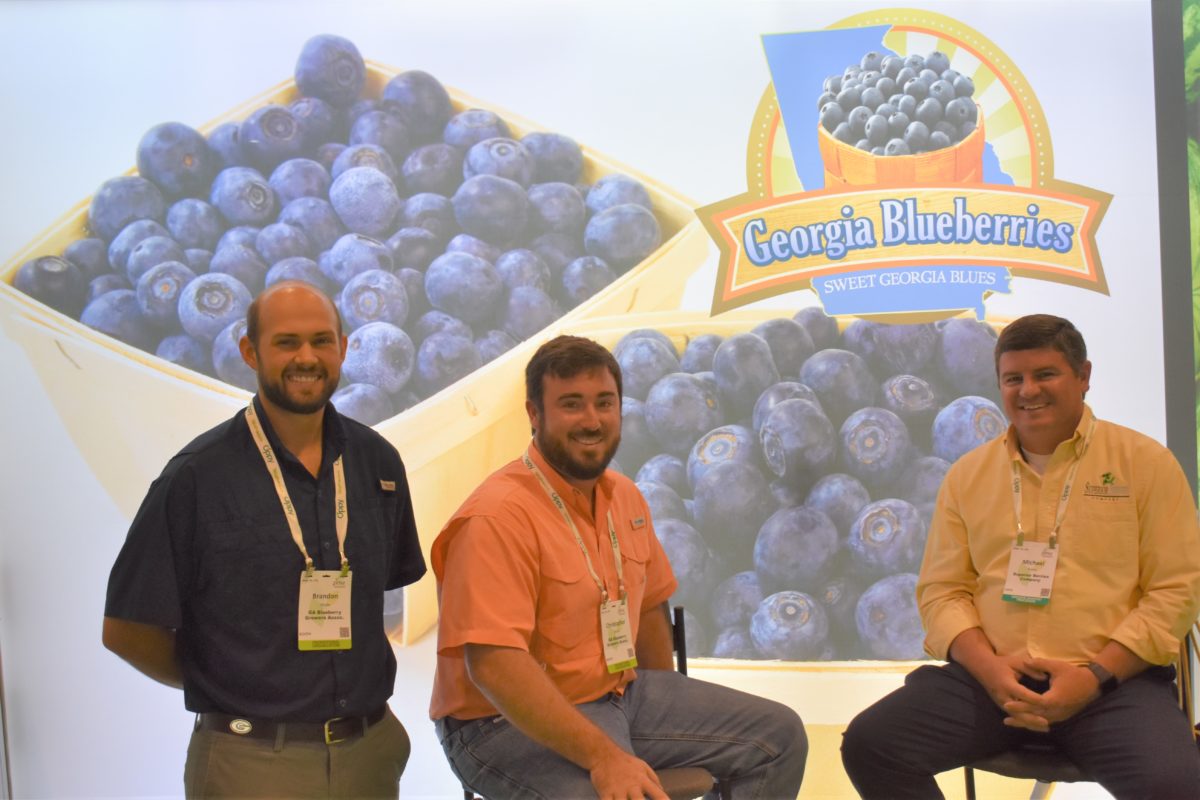
Commissioner Gary W. Black hosted a conference call to connect Georgia blueberry growers and agricultural industry representatives with U.S. Department of Agriculture Under Secretary Bill Northey to discuss recent loss assessments for the 2018 blueberry crop. According to University of Georgia Extension, overall losses of both highbush and rabbiteye varieties could exceed 60 percent. This would mark the second consecutive …
Florida Native Plants — Tomorrow’s Fruits and Vegetables?
By Kevin M. Folta Citrus originated in Southeast Asia, not Southeast of Orlando. Strawberries came from a chance genetic mix between a plant from the Mid-Atlantic States and a plant from Chile that crossed in France. Tomatoes originated in the Andes Mountains in South America, then made their way to Europe before coming back across the Atlantic to North America. …