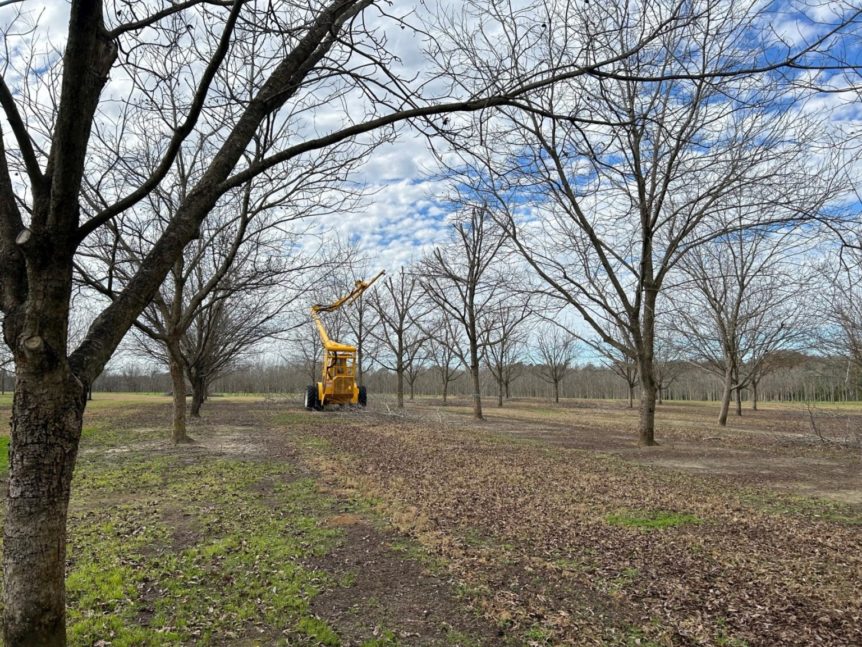
By Clint Thompson Pecan tree hedging is important to the sustainability of the tree long-term. Whether Southeast growers implement the practice during the dormant or summer season is up to the farmer, says Lenny Wells, University of Georgia Extension pecan specialist. “From as far as the tree is concerned, the way it produces and responds, there’s no real difference between …
Labor, Trade Highlight FFVA Letter to USDA
The Florida Fruit and Vegetable Association (FFVA) is urging the U.S. Department of Agriculture (USDA) to strengthen Florida’s specialty crop industry. The FFVA submitted a letter to the USDA last week, outlining recommendations on how it could better support the state’s specialty crop industry, through the USDA’s Specialty Crop Competitiveness Initiative. The recommendations stemmed from the current challenges Florida growers …
Pecan Scab Update: Tighter Spray Intervals, Disease-Resistant Varieties Needed
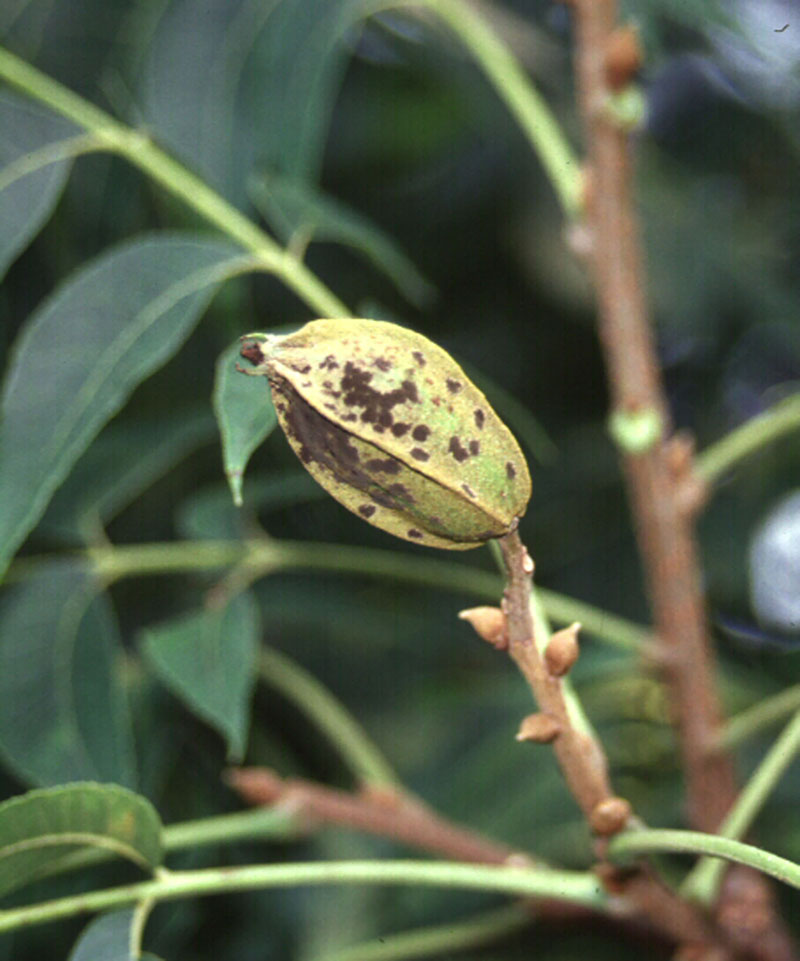
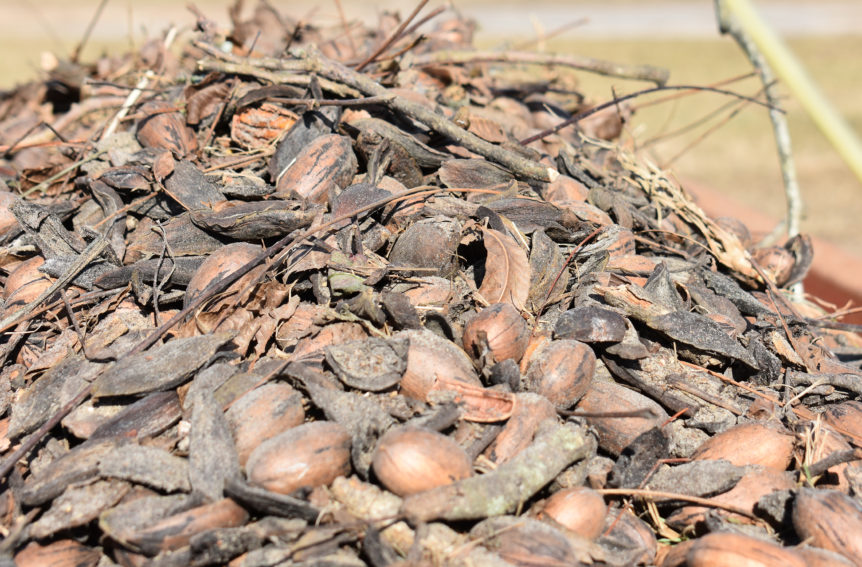
By Clint Thompson Fungicide applications for pecan scab disease are more effective when implemented on a regular schedule. However, that is easier said than done for pecan producers, believes Tim Brenneman, a plant pathologist with the University of Georgia. “The bottom line is the best way to save money on sprays would be to not spray in the dry periods …
HLB Management Different for North Florida Citrus
Living with huanglongbing (HLB) disease (citrus greening) is a much different process for citrus growers than protecting their crop from it. Growers in the cold-hardy citrus region are currently trying to keep the devastating disease out of their area. Industry experts like Michael Rogers, University of Florida Institute of Food and Agricultural Sciences Citrus Research and Education Center director, are …
San Jose Scale Control Essential for Peach Producers
By Clint Thompson Now is the ideal time for peach producers to protect this year’s crop against San Jose scale insects. Especially as temperatures continue to increase, so too should the numbers of scale insects invading peach orchards in the Southeast. Brett Blaauw, assistant professor at the University of Georgia (UGA) College of Agricultural and Environmental Sciences, said it is …
La Niña Effect: Warmer, Drier Conditions Expected Next Winter
By Clint Thompson The cold temperatures and wetter weather conditions that were felt this winter across the Southeast are likely to be replaced with warmer temperatures and drier conditions next winter, believes Pam Knox, University of Georgia Extension agricultural climatologist. It coincides with a La Niña weather pattern that is opposite the current El Niño that’s been observed the last …
UGA Pecan Specialist: India Has a Lot of Promise
By Clint Thompson The inability for pecan producers to depend on China as a future export destination means Southeast growers must find a viable alternative. With nearly 1.5 billion people, India may be that option that farmers are looking for. Lenny Wells, University of Georgia Cooperative Extension pecan specialist, is highlighting India in his presentations during the winter production meetings. …
Abnormally Dry Conditions Present in Southeast
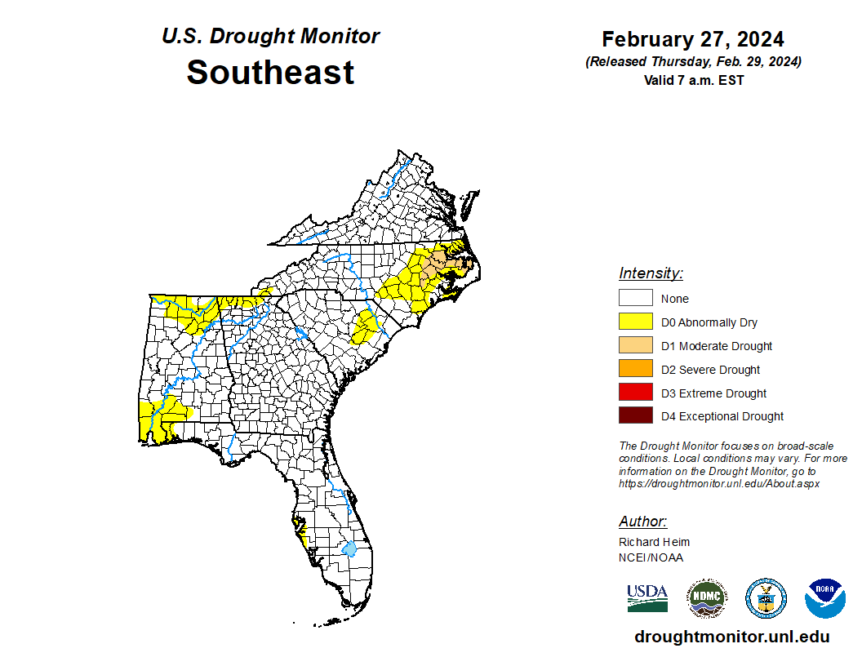
Abnormally dry weather conditions are more prevalent in one area of the Southeast, though the region remains mostly drought free, according to the latest release of the U.S. Drought Monitor. The southwest corner of Alabama and part of the Florida Panhandle are abnormally dry. The dry area in Alabama starts in Mobile and Baldwin counties and expands northward to include …
Sneak Peek: March 2024 Specialty Crop Grower Magazine
The March issue of Specialty Crop Grower Magazine puts weed management in the spotlight. Amid concerns over a lack of a dependable workforce and need to reduce input costs, growers need to be more efficient in their production strategies like weed control. Nathan Boyd, weed scientist with the University of Florida Institute of Food and Agricultural Sciences (UF/IFAS), along with …
Ambrosia Beetle Impact: Insect Pest a Concern for Southeast Pecan Producers
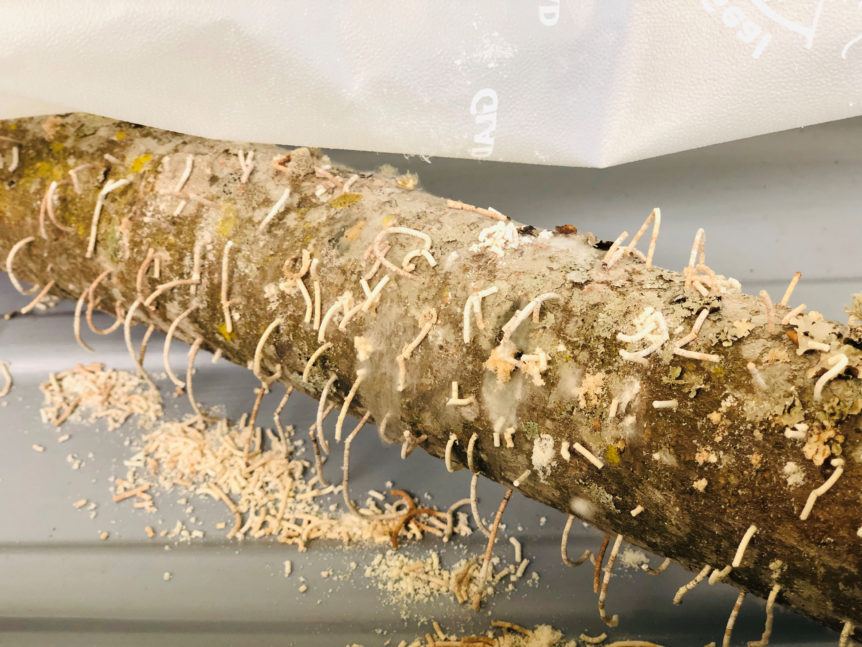
By Clint Thompson Ambrosia beetle damage on vulnerable young trees is a concern for pecan producers in the Southeast. Trees that are most vulnerable are young and stressed, especially those under flooded conditions. Apurba Barman, an assistant professor of entomology at the University of Georgia Tifton Campus, is cautioning growers about beetle damage during this winter’s pecan production meetings throughout …