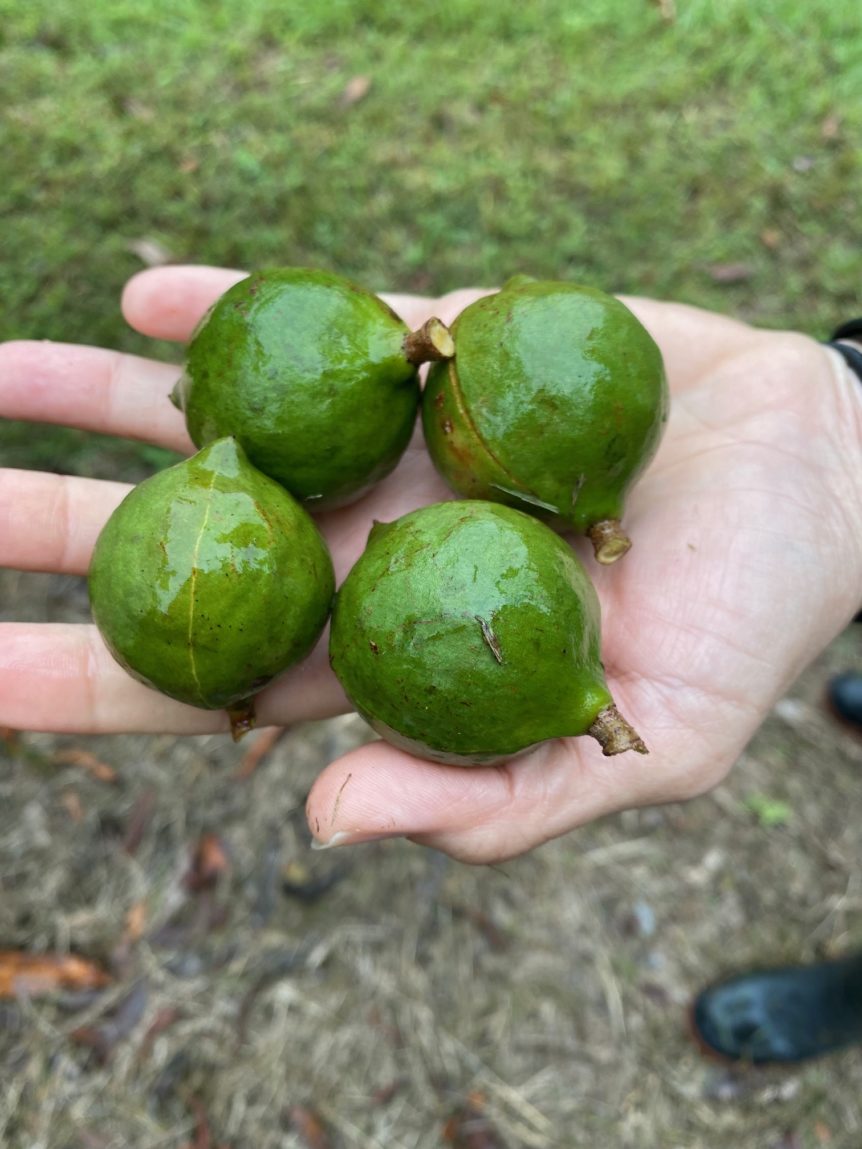
By Clint Thompson Macadamia nuts are currently being considered as an alternative crop for Florida production in the central and southern part of the state. Whether there is a future for the nut in the Sunshine State will be largely determined by the interest level from potential producers. University of Florida Institute of Food and Agricultural Sciences (UF/IFAS) researchers are …
UF Web-Based System Launches ‘Climate Indicators Tool’ to Help Producers
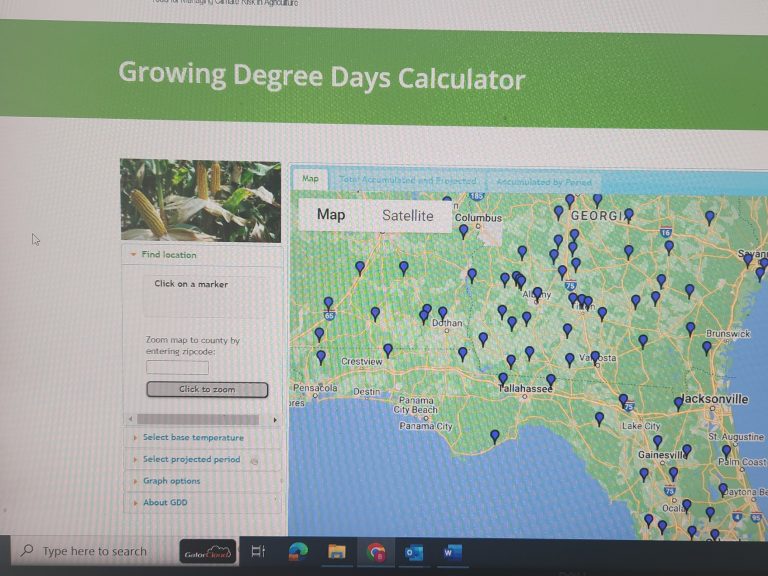
A new University of Florida (UF)-developed web-based tool will help growers reduce risks that come with climate variability. It is called the “climate indicators tool,” the newest addition to AgroClimate, a web-based platform designed 15 years ago by Clyde Fraisse, a UF Institute of Food and Agricultural Sciences (IFAS) professor of agricultural and biological engineering. Growers can use the new …
‘The Psyllids Will Like Georgia Just Fine’
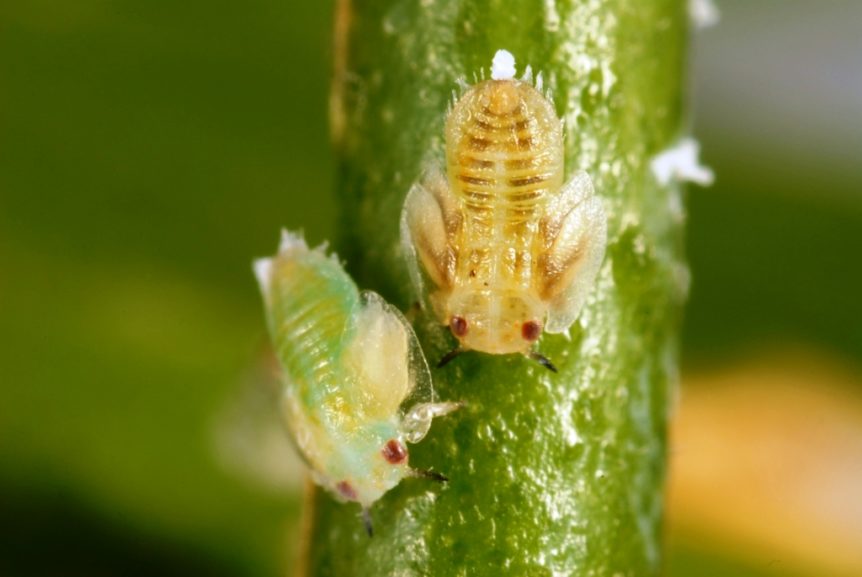
A California citrus leader believes Georgia will make an ideal home for the Asian citrus psyllid, which vectors the devastating huanglongbing (HLB) disease. “North of Florida, it is colder, and it’s certainly not as suitable a place as Florida is, but the psyllid is still going to be fine. The cold isn’t long enough here to knock the populations out,” …
Georgia Vegetable Producers Vote to Continue Commission Checkoff
Georgia vegetable producers voted in February to continue the one cent per marketing unit on 14 different vegetable crops produced in Georgia for another three years. Crops included are cabbage, beans, greens, bell pepper, specialty pepper, tomatoes, eggplant, carrots, beets, cantaloupe, squash, broccoli, sweet potatoes and cucumbers. The assessment applies to growers who produce at least 50 acres or more …
Unified Pecan Industry is Better for All Involved
By Clint Thompson A unified pecan industry benefits all states involved. That includes Georgia and Alabama in the Southeast, along with New Mexico and Arizona out west. Georgia producer Justin Jones has experienced the unification first-hand and describes the importance of continuing amid the current challenges impacting the industry. “I go back to using this analogy, a rising tide will …
What’s Next? Management Tips for North Florida Watermelon Producers
By Clint Thompson Watermelon plants are in the ground throughout North Florida. Growers are now tasked with ensuring their plants are protected and cared for over the next couple of months. Bob Hochmuth, University of Florida Institute of Food and Agricultural Sciences (UF/IFAS) Regional Specialized Extension agent in Live Oak, Florida, provides some management tips for producers. “We want to …
Georgia Ag Commissioner Announces April 17 Pack Date for Vidalia Onions
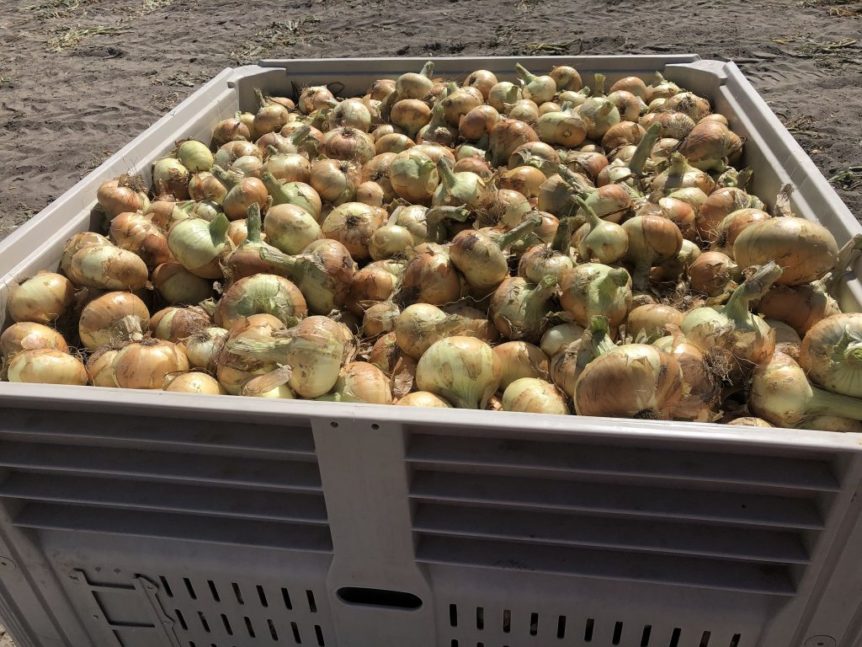
Atlanta, GA – The start of Vidalia onion season is almost here, with the official pack date announced by the Georgia Agriculture Commissioner and Vidalia Onion Committee. Vidalia onion fans across the country can mark their calendars for April 17, when the sweet onions will ship to grocery stores nationwide. “In coordination with the Vidalia Onion Committee, I am incredibly …
UGA School: Reminder About How Costly Pecan Production Can Be
By Clint Thompson The University of Georgia (UGA) Pecan School on Wednesday educated potential producers and served as a reminder to veteran growers about the costly expenses associated with pecan production. Costs for required equipment have risen from $533,000 in 2019 to $873,000 in 2023. Input prices have also increased, while pecan prices floundered to an average of $1.69 per …
Sen. Ossoff Launches Inquiry Into USDA’s Farm Labor Survey Calculations
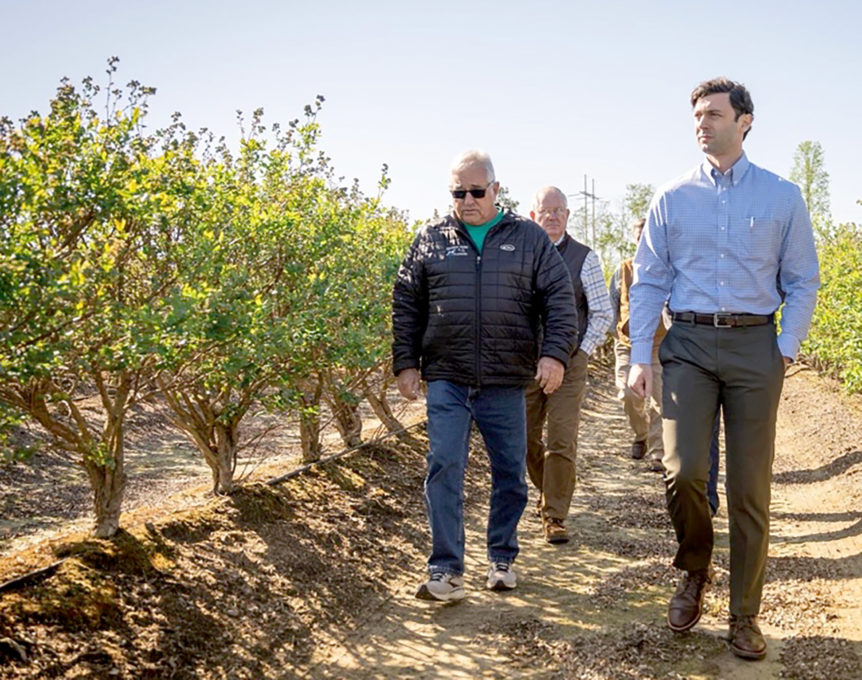
Washington, D.C. — U.S. Senator Jon Ossoff has launched an inquiry into how the U.S. Department of Agriculture (USDA) conducts its Farm Labor Survey in Georgia. Ossoff inquired with the USDA’s National Agricultural Statistics Service (NASS), asking for more transparency in the Farm Labor Survey, which the Department of Labor uses to determine wages for H-2A workers in Georgia and …
Rain Impact: Sweet Corn Production Increasing Following Slow Start
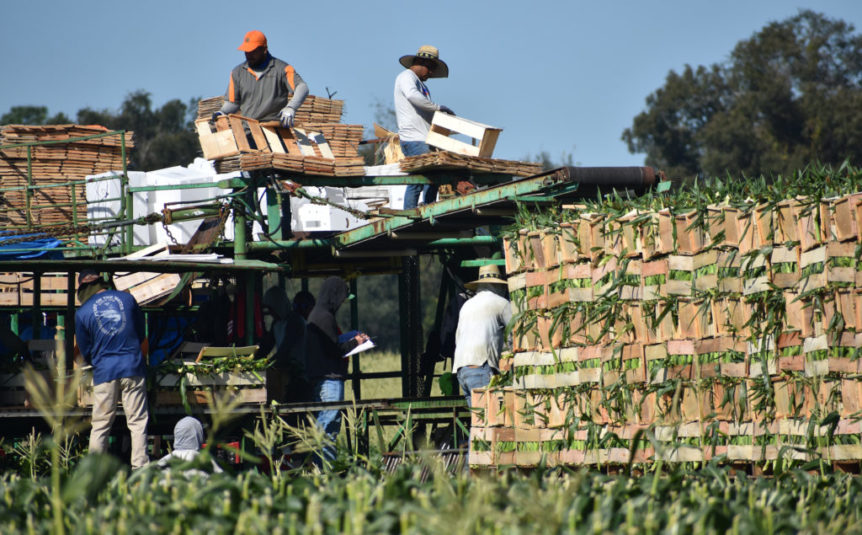
By Clint Thompson Florida sweet corn volume should ramp up during the first couple of weeks of April. The increased production will be much needed for growers who experienced a sluggish start to the season, mostly due to excessive rainfall. “We had a little bit of a slower start this year. There were some rain skips in the fall and …