









By Karla Arboleda Florida sparkling wine is getting help from the scientists working with the muscadine grapes that are native to the deep Southeast. Andrew MacIntosh, assistant professor in the Food Science and Human Nutrition Department for the University of Florida Institute of Food and Agriculture Sciences (UF/IFAS), studies carbonation methods for sparkling wine for growers to learn more on …
Nikki Fried Announces Members of New Hemp Advisory Committee
Commissioner Nicole “Nikki” Fried announced the members of her new Hemp Advisory Committee, which will help guide the Florida Department of Agriculture and Consumer Services’ hemp rulemaking process and the state’s emerging hemp industry development. Commissioner Fried is committed to Florida becoming a national leader on industrial hemp production. The appointment of committee members comes after the department held three workshops …
Georgia Crop Insurance Program Expands; Deadlines Approaching
By Karla Arboleda Growers in Georgia will soon be facing deadlines to secure their crop insurance. The U.S Department of Agriculture (USDA) Risk Management Agency (RMA) office in Valdosta, Georgia, is reminding growers of deadlines related to their crop insurance and new counties that have been added to the program. Davina Lee, USDA RMA regional office director, highlights important dates …
Georgia-Grown Campaign Kicks Off
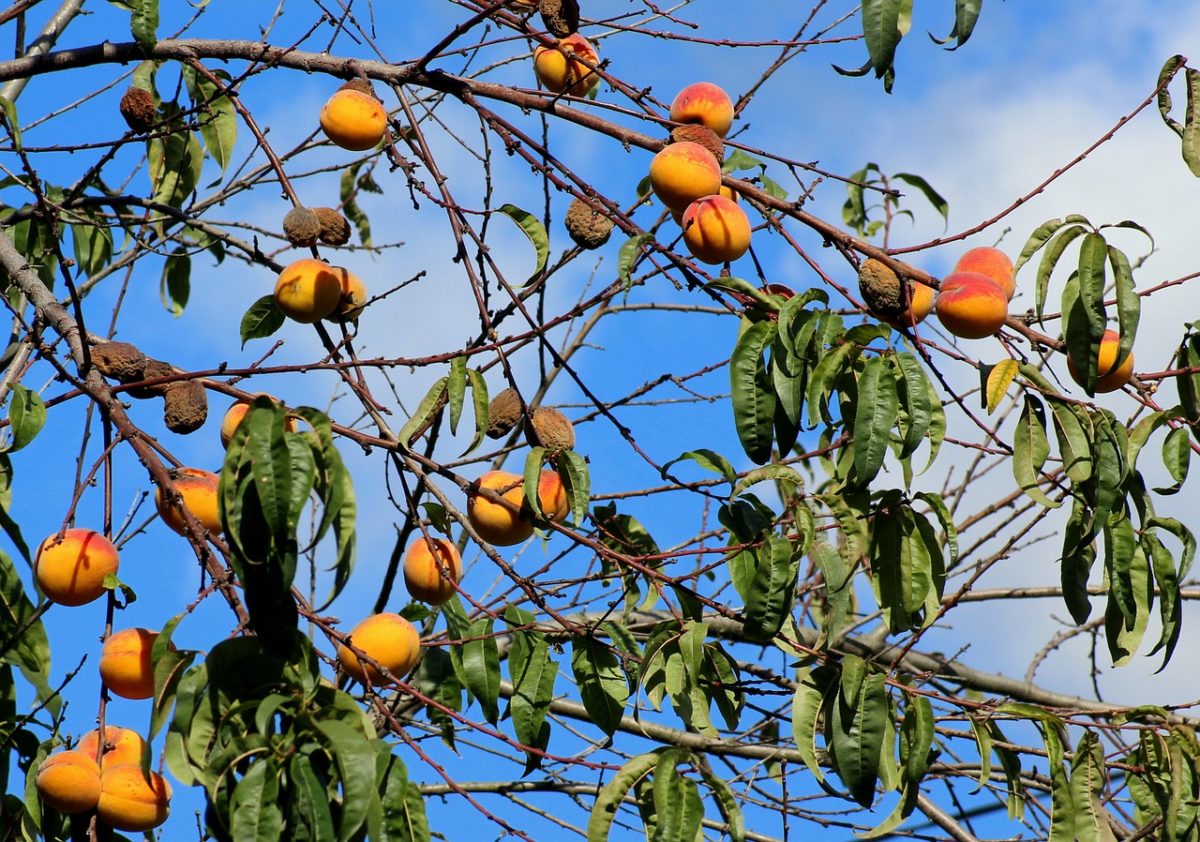
By Karla Arboleda As Georgia growers export peaches and squash, they hope more in-state consumers pay attention to the food they buy. Heavy season is underway in Georgia, and the Georgia Fruit and Vegetable Growers Association (GFVGA) wants to make sure no fruit gets left behind. Its new campaign encourages consumers to take a picture of their Georgia- or USA-grown …
Stone Fruit Field Day Provides Growers with New Research
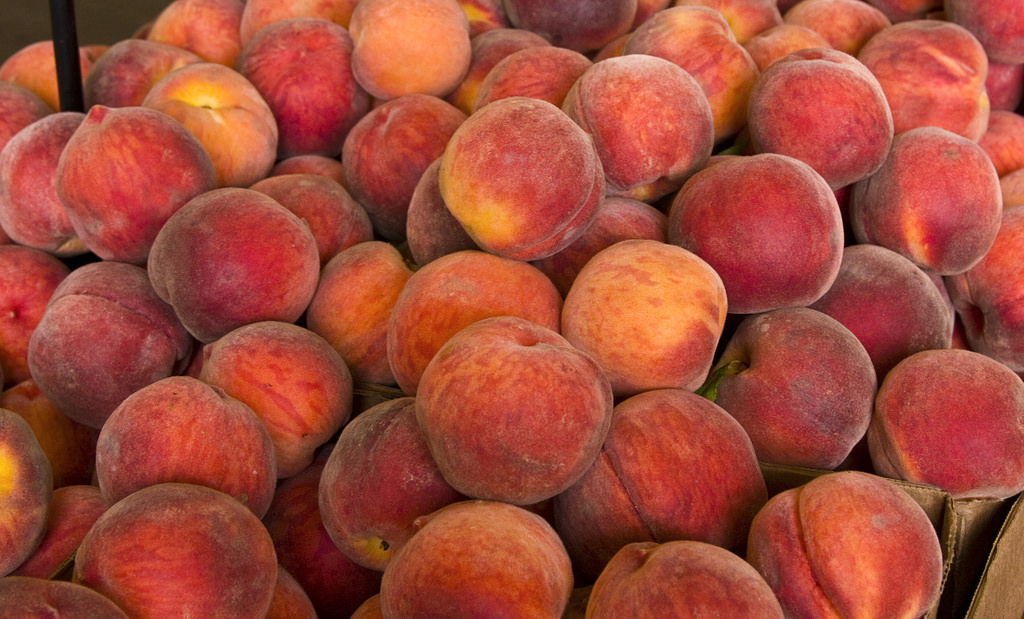
By Alison DeLoach Peaches can often be a difficult crop for growers to produce in Florida. Ali Sarkhosh, an assistant professor and Extension specialist at the University of Florida (UF), dedicates his research to helping growers overcome these challenges. Recently, Sarkhosh hosted a stone fruit field day with the UF Institute of Food and Agricultural Sciences. The speakers at this …
Experiencing the Flavors of Florida
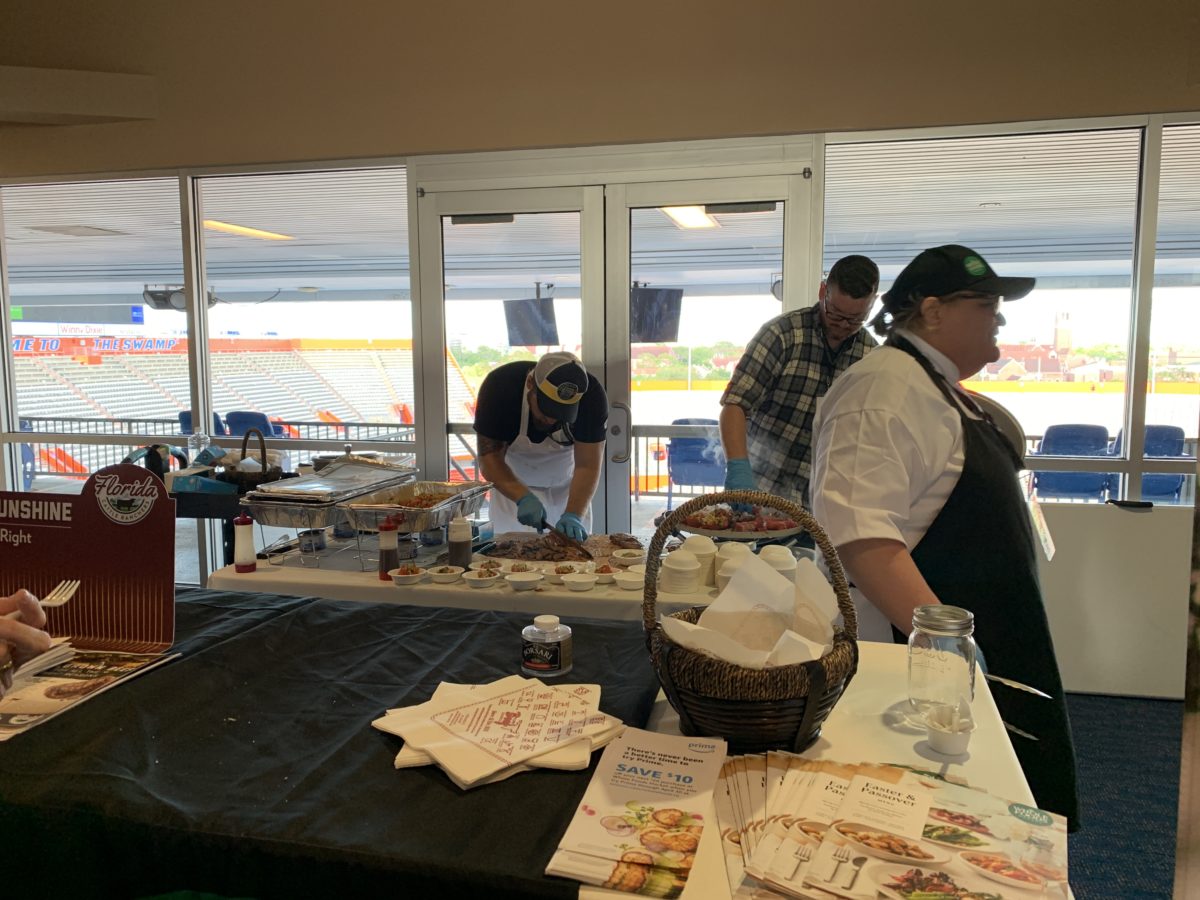
Every year, the University of Florida Institute of Food and Agricultural Sciences (UF/IFAS) welcomes agriculture industry leaders to the UF campus in Gainesville to experience Flavors of Florida. The annual event took place on April 11 in the Champions Club overlooking Ben Hill Griffin Stadium. The event kicked off with some short comments from Jack Payne, UF/IFAS senior vice president, …
Sneak Peek: April VSCNews Magazine
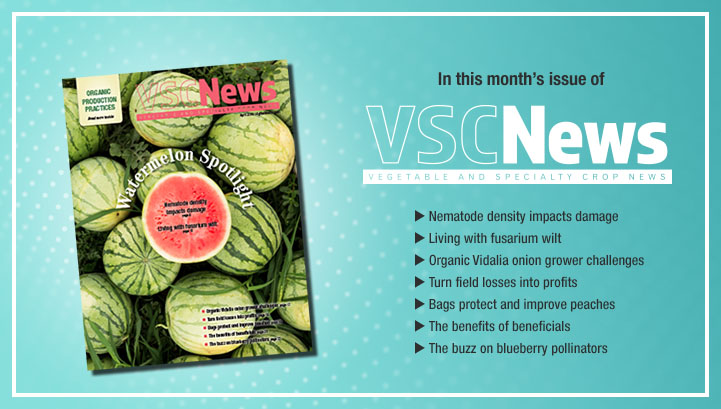
The April issue of VSCNews magazine is packed with information for conventional and organic growers. Readers will learn about pest management methods and ongoing challenges faced by an organic commodity in Georgia in next month’s issue. An article by researchers with the University of Georgia and the U.S. Department of Agriculture — Bhabesh Dutta, Carroll Johnson and Jason Schmidt — …
Early Developing Peach Varieties Take a Hit
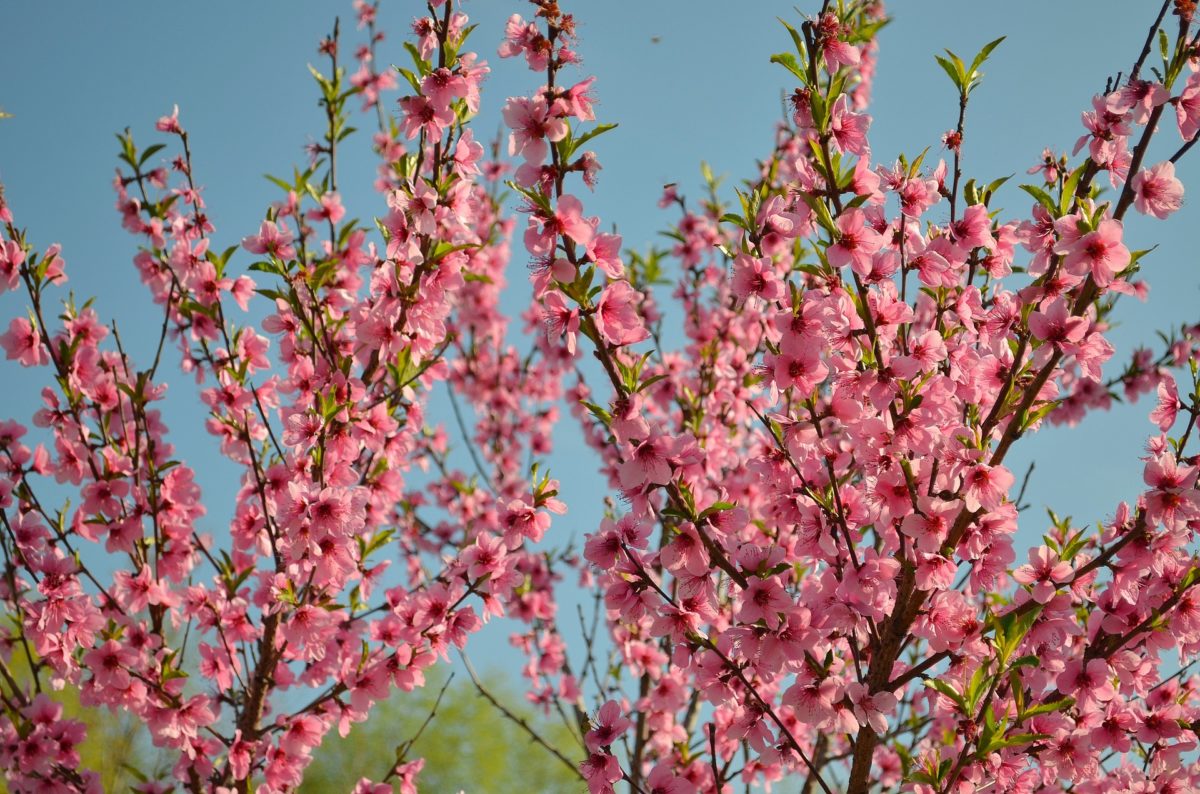
Early-developing varieties of peaches took a hit from recent freezing temperatures. Some parts of Alabama reached temperatures as low as 21 F from March 4 to 7. Depending on the area and conditions, early peach crops could be affected by this stretch of freezing weather. Edgar Vinson, an Alabama Extension commercial horticulture specialist, said early varieties took the major hit …
Peach Training and Pruning Pointers
By Ali Sarkhosh The excessive vegetative growth of low-chill peaches under tropical and subtropical climates can be one of the major problems negatively impacting fruit size and quality. Growers need to spend a significant amount of money and time for manual thinning and pruning to meet the market window. Factors affecting fruit quality include distribution of light in the canopy, …
Address Plant Stress to Manage Stem Blight
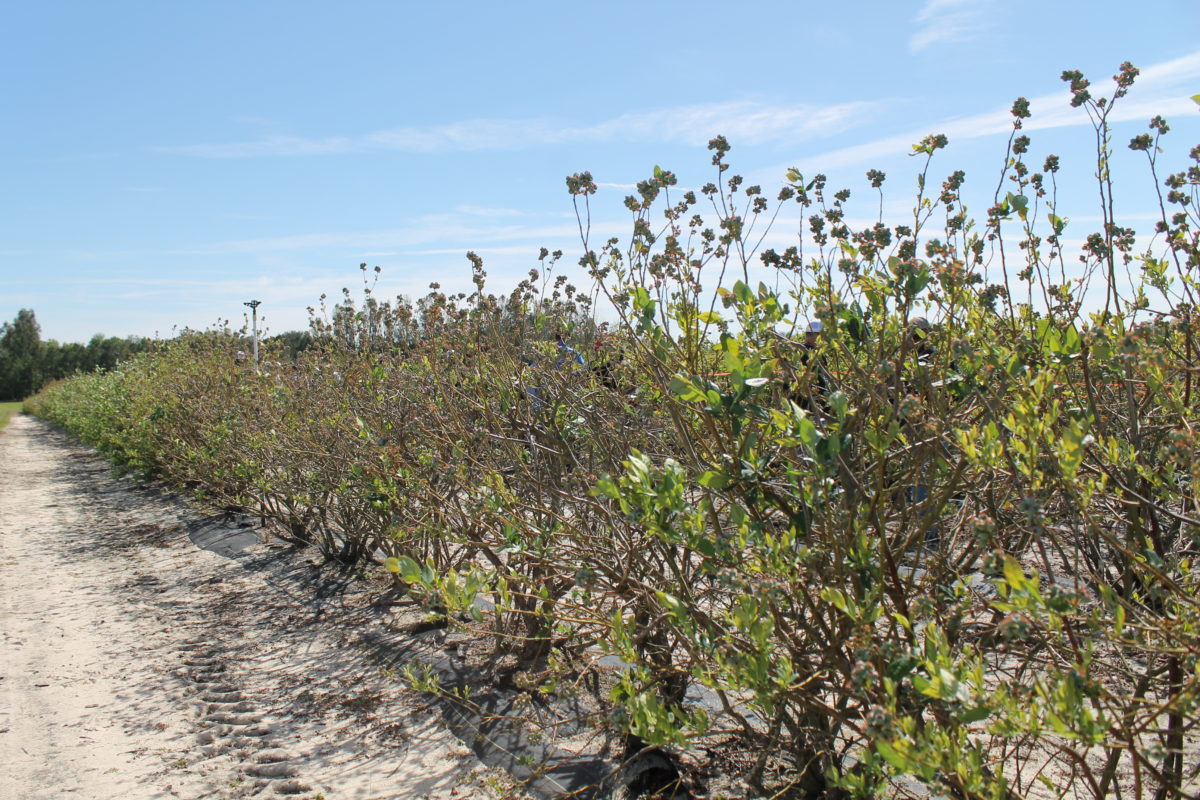
By Ernie Neff Stem blight is a problem for Florida blueberry growers “because our production is so intensive and subjects our plants to plant stress,” University of Florida Institute of Food and Agricultural Sciences Extension plant pathologist Phil Harmon said recently. Those stresses include “drought stress and physiological stresses that can’t be avoided due to the nature of our production,” …