









By Frank Giles The coldest temperatures in years predicted for Florida over the weekend has fruit and vegetable growers worried and preparing to protect their crops. Temperatures in the 20s and 30s are expected deep into the peninsula of Florida. And the freezing weather could persist for up to four hours or more. Gene McAvoy, associate director for stakeholder relations …
Freeze Protection Vital for Florida Blueberry Growers This Weekend
By Clint Thompson Low temperatures in the forecast this weekend means Florida blueberry producers need to apply freeze protection to their crops, says Doug Phillips, University of Florida Institute of Food and Agricultural Sciences (UF/IFAS) blueberry Extension coordinator. “It’ll definitely get low enough to where folks will be freeze protecting. I know in central Florida, depending on the site because …
Meister Media Worldwide Sells Florida Grower Magazine to AgNet Media
Meister Media Worldwide and AgNet Media today announced the sale of Florida Grower magazine and its Florida-related assets to AgNet Media, effective March 1, 2022. Through Florida Grower, Meister Media has invested more than 25 years of commitment to Florida’s citrus, vegetable and other specialty crop producers. Initiatives like the Florida GrowerSM Citrus Show, the Florida GrowerSM Citrus Achievement Award …
Rainfall Alleviates Dry Conditions in Southeast
By Clint Thompson Much needed rainfall this past week alleviated much of the dry conditions being felt across the Southeast, according to the most recent release of the U.S. Drought Monitor. In Florida, much of the Panhandle now has sufficient moisture. Escambia County and Santa Rose County are either abnormally dry or moderately dry. Okaloosa County is also abnormally dry. …
Bacterial Spot Disease Problematic in Florida Fields
Bacterial spot disease continues to be prevalent in tomatoes and susceptible pepper varieties throughout Florida, according to the South Florida Pest and Disease Hotline. This is especially true in Southwest Florida where foggy conditions have helped increase the disease. It is also widespread in Homestead, Florida and is increasing in severity. Bacterial spot has flared in some pepper varieties on …
Dry Conditions Linger in Florida Panhandle
By Clint Thompson Dry conditions in Florida continue to persist along the Panhandle. It could linger amid the current La Niña weather pattern, says Florida State Climatologist David Zierden. “We are in the La Niña phase in the Pacific Ocean where it’s colder than normal water along the equator. The La Niña phase is opposite of El Niño, where it …
Caterpillar Pressure Varies Across Florida
Caterpillar pressure varies across southern Florida, according to the South Florida Pest and Disease Hotline. Few loopers and fall armyworms have been reported along the East Coast. Worm pressure has been persistent around Southwest Florida, however. While southern armyworms are most being reported, there are also loopers, melon worms, beet armyworms, fruitworms and fall armyworms. This depends on the crop …
Commissioner Fried: ITC Reports Confirm Imports Devastating Florida Farmers
Tallahassee, Fla. – The U.S. International Trade Commission’s (ITC) investigations into the impact that imports of squash and cucumbers have had on seasonal growers generated responses from various industry leaders in Florida; starting with Florida Agriculture Commissioner Nikki Fried. “The ITC reports confirm what our department’s reports have long shown and what Florida’s seasonal producers have long felt: unfair trade …
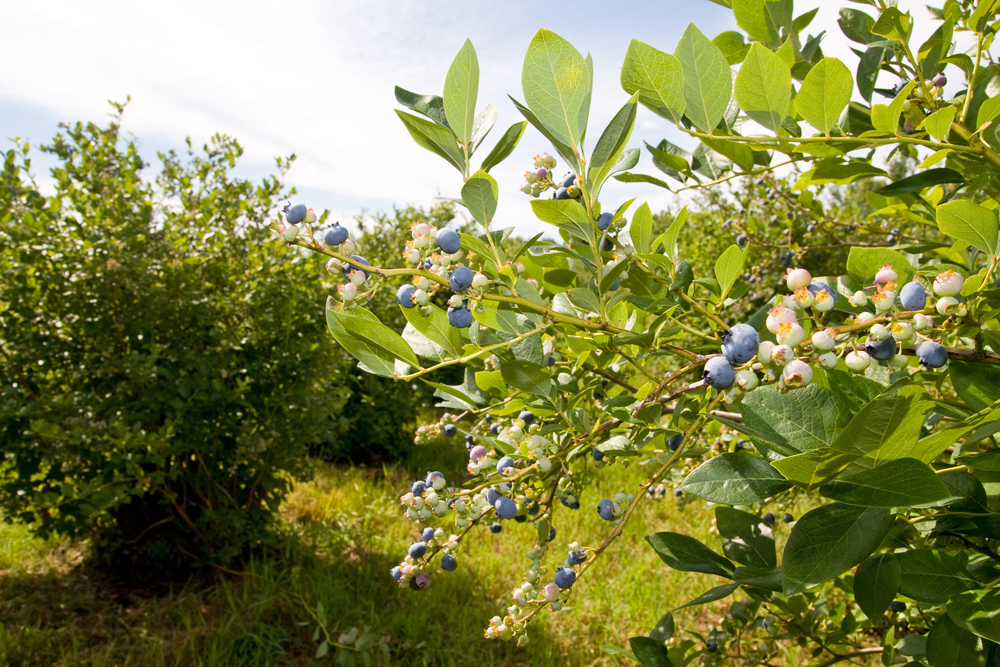
Georgia and Florida Blueberries in Bloom Very Early
By Frank Giles The early blueberry season was highlighted during last weekend’s Southeast Regional Fruit & Vegetable Conference in Savannah, Georgia. One topic kept trending for growers in attendance, too many blooms, way too early. Some growers are reporting up to 30% bloom in Georgia. That makes for a challenging winter for producers hoping to avoid hard freezes as the …
New Normal? Florida Tomato Producers Using Non-Wooden Stakes
By Clint Thompson The ongoing supply chain crisis forced many Florida tomato producers to consider non-wooden stakes for their plants this year. Gene McAvoy, University of Florida/IFAS Regional Vegetable Extension Agent IV Emeritus, said growers have said they are more expensive, but they are available. “This whole supply chain thing, wooden stakes are coming out of Central America and South …