









By Clint Thompson Florida vegetable farmer Sam Accursio paints a gloomy picture for the future of farming and the availability of food in the United States. “It’s dismal, unless the American consumer says we’ve had enough. We are going to support these American growers or we’re going to be hungry some day. It may not be in my lifetime. It …
Florida Farmer Accursio Reflects on Challenging Season
By Clint Thompson With the majority of his spring and summer crop harvested and sold, Florida vegetable farmer Sam Accursio reflects on the challenges and struggles he faced this year amid the coronavirus pandemic and Mexico’s daily exports of produce into the U.S. “With our vegetable season, way back to February when things started shutting down and then in March …
Florida Blueberry Farmer: USMCA Not a Good Deal For Vegetable, Specialty Crop Producers
By Clint Thompson One of the most vocal critics of Mexican imports into the U.S. is adamant that the United States-Mexico-Canada Agreement will not help or protect vegetable or specialty crop producers. “No, that’s not a good deal for specialty crops. They didn’t really address our issues at all. That was not a good deal for us,” said Ryan Atwood, …
Frustrated Florida Farmer Voices Mexican Imports Concerns
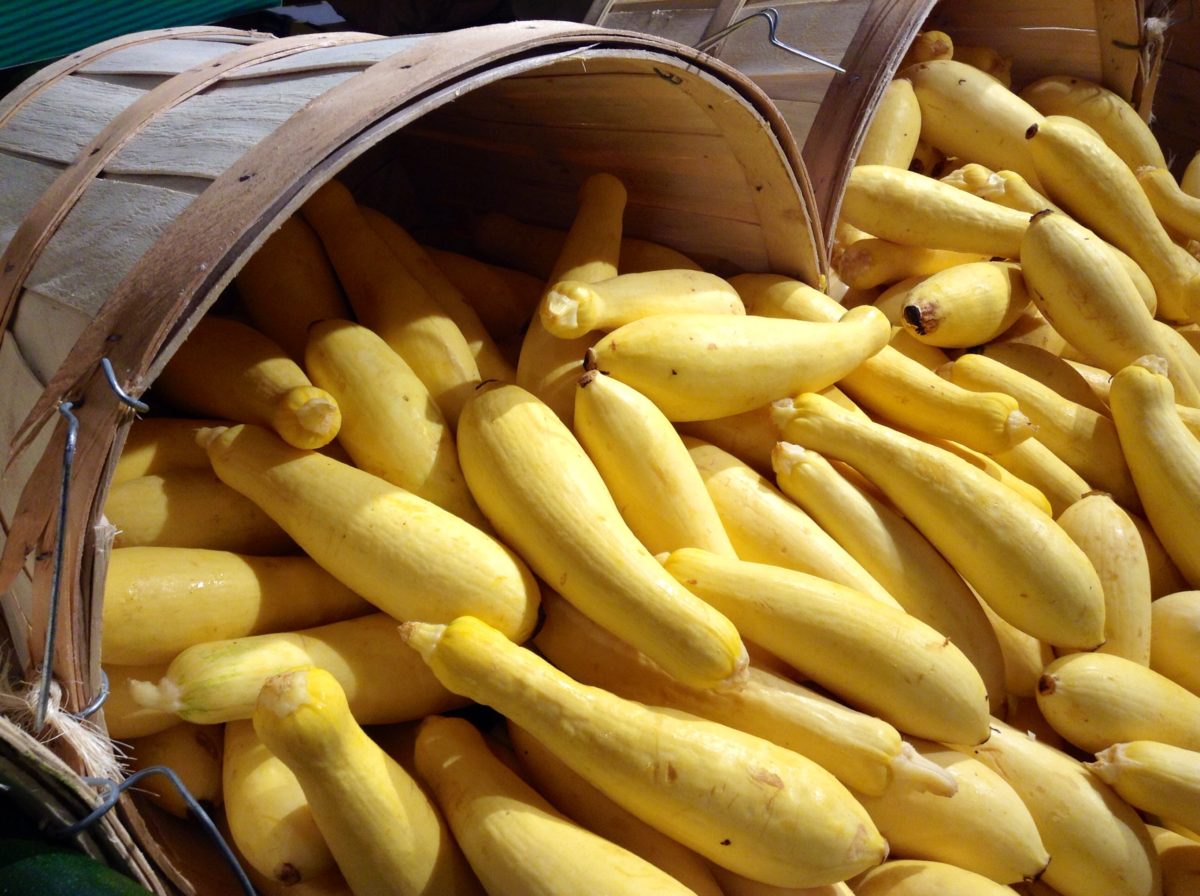
By Clint Thompson COVID-19 was a challenge of pandemic proportions for farmers this spring. Adding insult to injury were the influx of Mexican produce that undercut American producers trying to sell their own product. Florida vegetable farmer Sam Accursio has a potential solution. “The only solution I know is to vote, get the people that are like-minded and want to …
Palm Beach County Vegetable Grower Named Florida Farmer of the Year
Florida Farm Bureau Federation Gainesville, Fla. – Florida Farm Bureau Federation has named Rick Roth of Palm Beach County as the 2020 Florida Farmer of the Year. A vegetable, herb, rice, sugarcane and sod producer, Roth is also a member of the Florida House of Representatives. This prestigious honor is awarded to a recipient by a panel of judges based …
Chinese Citrus Imports a Sour Pill for Florida Growers
With tensions high during the coronavirus crisis, move to allow fruit into U.S. raises alarm. See what some are saying about it.
Cristobal Expected to Bring Rain to Southeast
By Clint Thompson Tropical Depression Cristobal’s expected movement into the Gulf of Mexico should bring much-needed rainfall to North Florida and South Alabama. Pam Knox, University of Georgia Cooperative Extension Agricultural Climatologist, says rains over the next week should alleviate some of those drought conditions. “The whole Florida Panhandle and then stretching west into the Mobile (Ala.) area has been …
Hemp interest still strong in the Southeast
By Clint Thompson The Southeast is primed to ramp up its hemp production. Alabama is ready for its second year of production, while Georgia and Florida are just getting started. If the number of grower applications is any indication, interest in hemp is extremely high in all three states. Hemp drew 166 grower applicants and eight applications for processor permits …
Florida Farmer Looking Forward to Next Season With Optimism
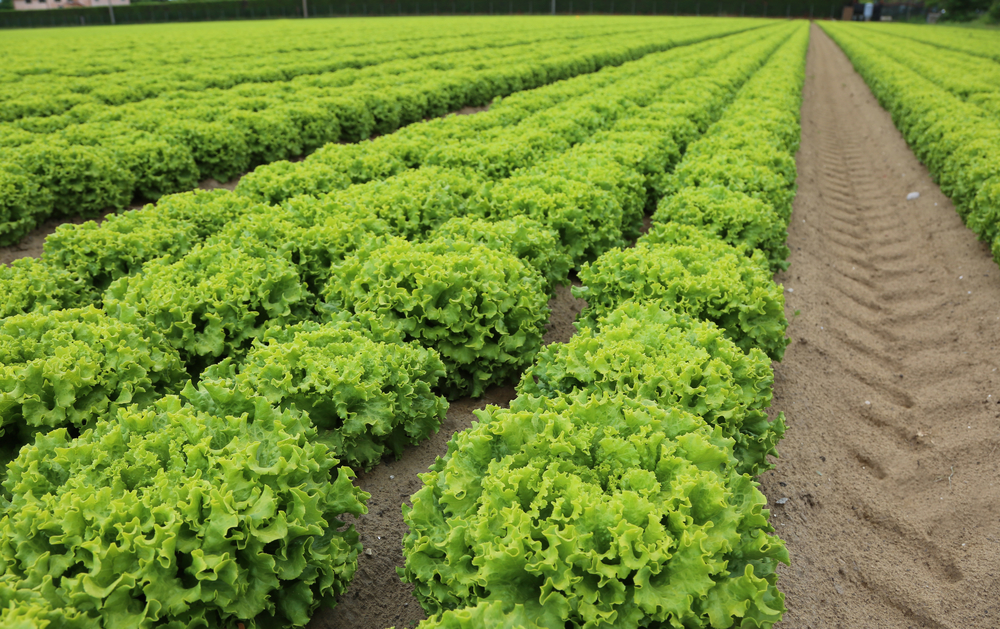
By Clint Thompson A devastating hit to the South Florida’s produce industry by COVID-19 has not deterred Toby Basore from looking forward to next season with optimism. “I don’t care where you’re at, if you went into your grocery stores during this, there wasn’t any toilet paper on the shelves. There wasn’t any Lysol or hand wipes. The cheaper meats …
Hot, Dry Weather Impacts Florida’s Tropical Fruits
By Clint Thompson Florida’s hot and dry weather this winter and spring has impacted its tropical fruits, according to Jonathan Crane, University of Florida tropical fruit crop specialist. From lychees to avocados and mangos, none were immune to high temperatures over the past few months. Lychee requires exposure to cooler temperatures. If they don’t get much of that, they don’t …