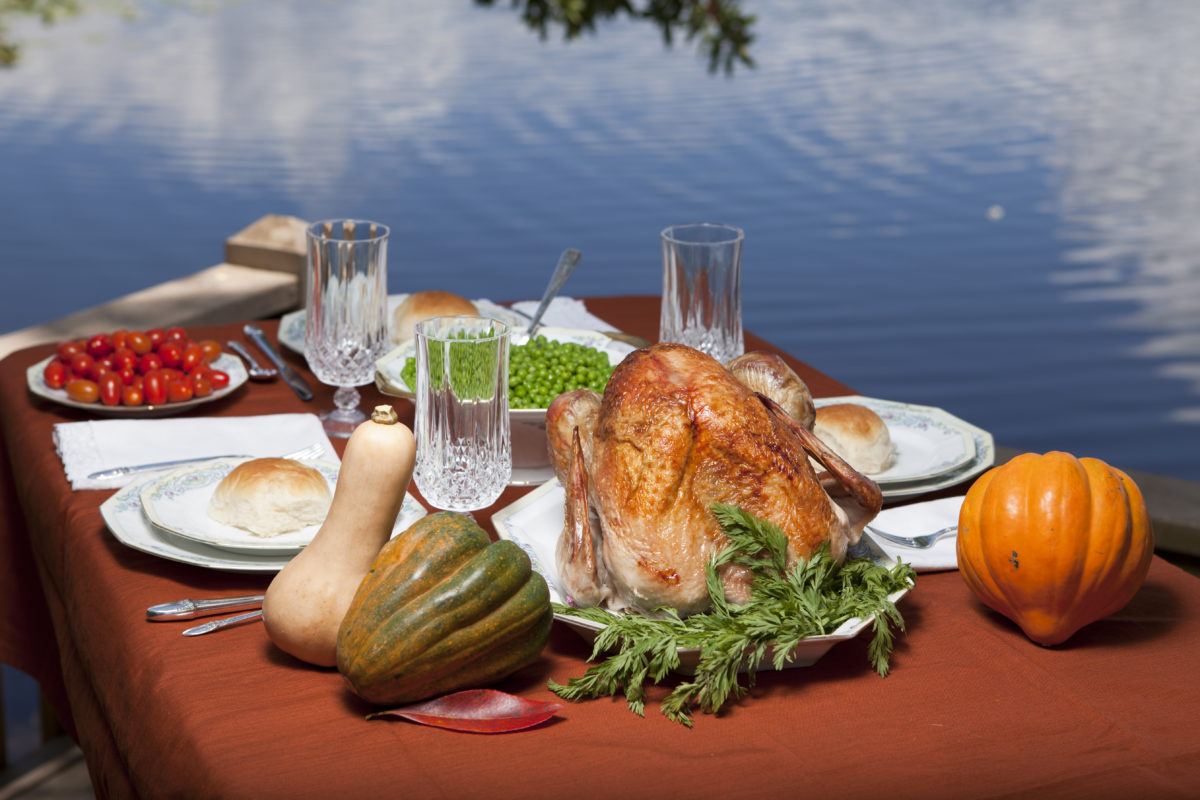
As we sit down to dine during the annual Thanksgiving feast, it’s worth noting that much of what we eat comes from Florida farmers, say University of Florida Institute of Food and Agricultural Sciences (UF/IFAS) researchers. Better still, scientists with UF/IFAS try to see if they can breed and grow certain crops in Florida to help growers and consumers. When …
Florida Growers Facing Blueberry Challenges
By Breanna Kendrick Citrus root weevil is relatively new to blueberries, but is becoming more of a prevalent issue for some Central Florida growers. Citrus root weevil typically occurs on old citrus ground that has been plowed under for blueberry production. Doug Phillips, blueberry Extension coordinator for the University of Florida (UF), has been trying to identify some controls against …
SmartIrrigation Technology Improves Tomato Production
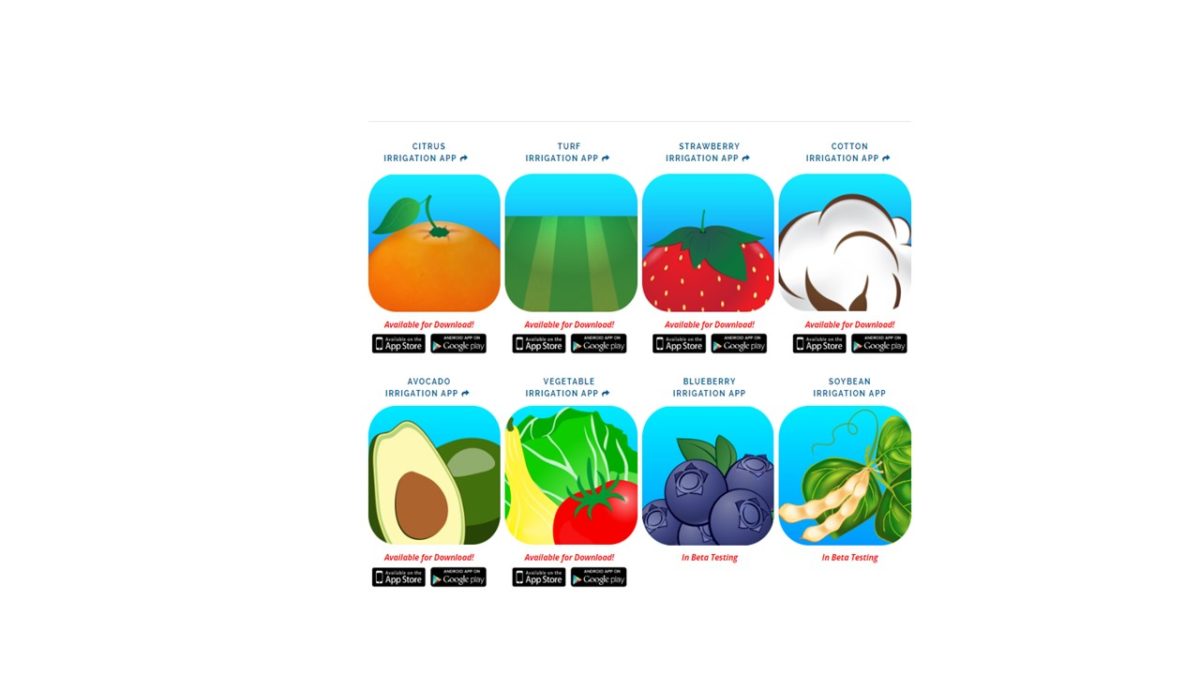
By Ibukun T. Ayankojo and Kelly T. Morgan Fresh tomato production in the United States is dominated by the states of California and Florida. Florida harvests about 28,000 acres of tomatoes with a production value of $382 million. This accounts for approximately 40 percent of the total production value in the United States. IRRIGATION ACCURACY IS CRITICAL Vegetable production requires …
What Exactly Causes Toxic Algae?
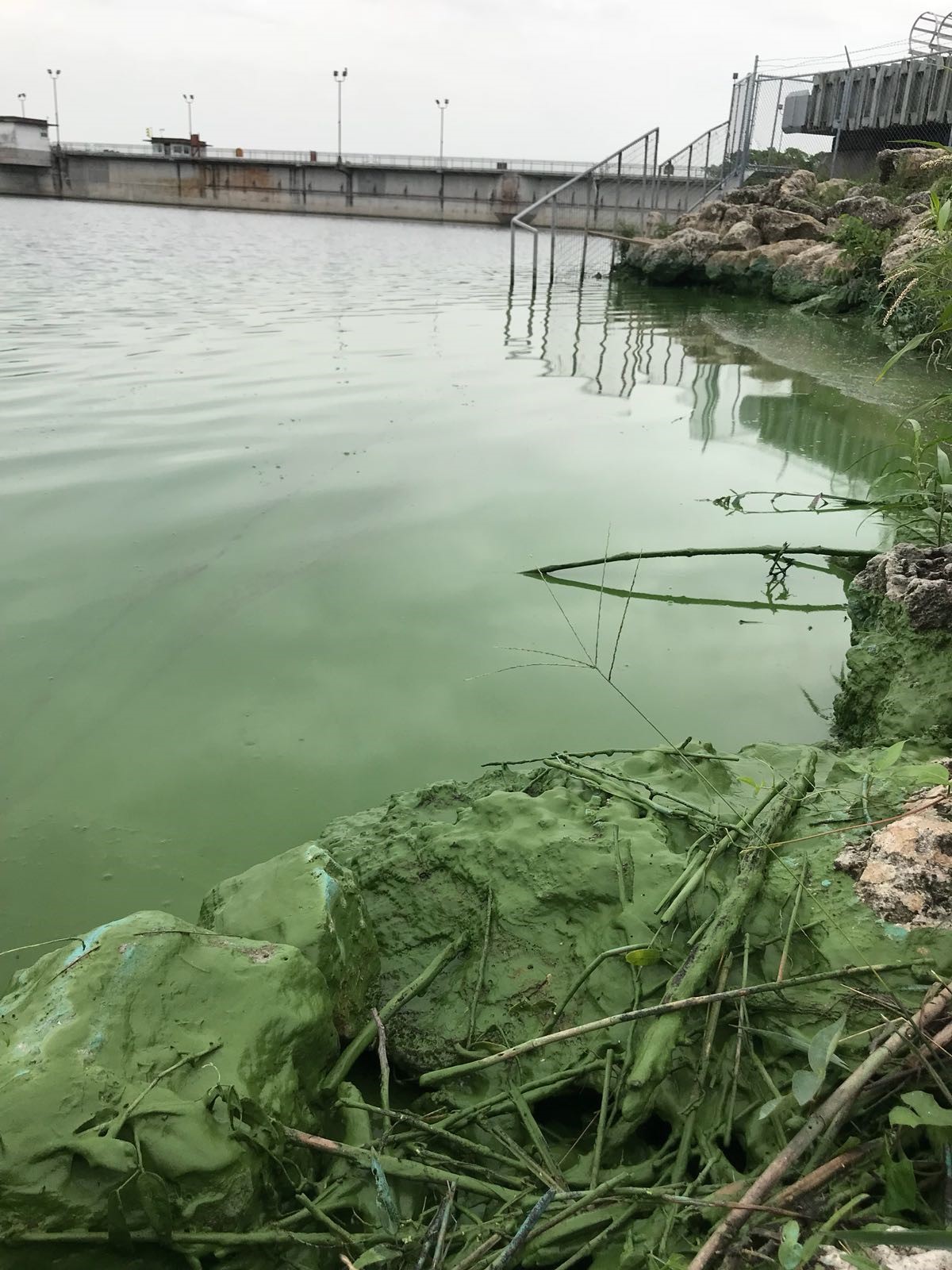
By Lisa Krimsky Florida has an algae problem, and we’re not alone. The population on this planet is growing, as is the need to feed and house 7.6 billion people. Algae blooms are naturally occurring. However, a warming climate, human activities and nutrient inputs from stormwater, agricultural and urban land use, and sewer and septic systems have significantly increased the …
Lake Okeechobee Fishermen Set the Record Straight on Algae Facts and Fiction
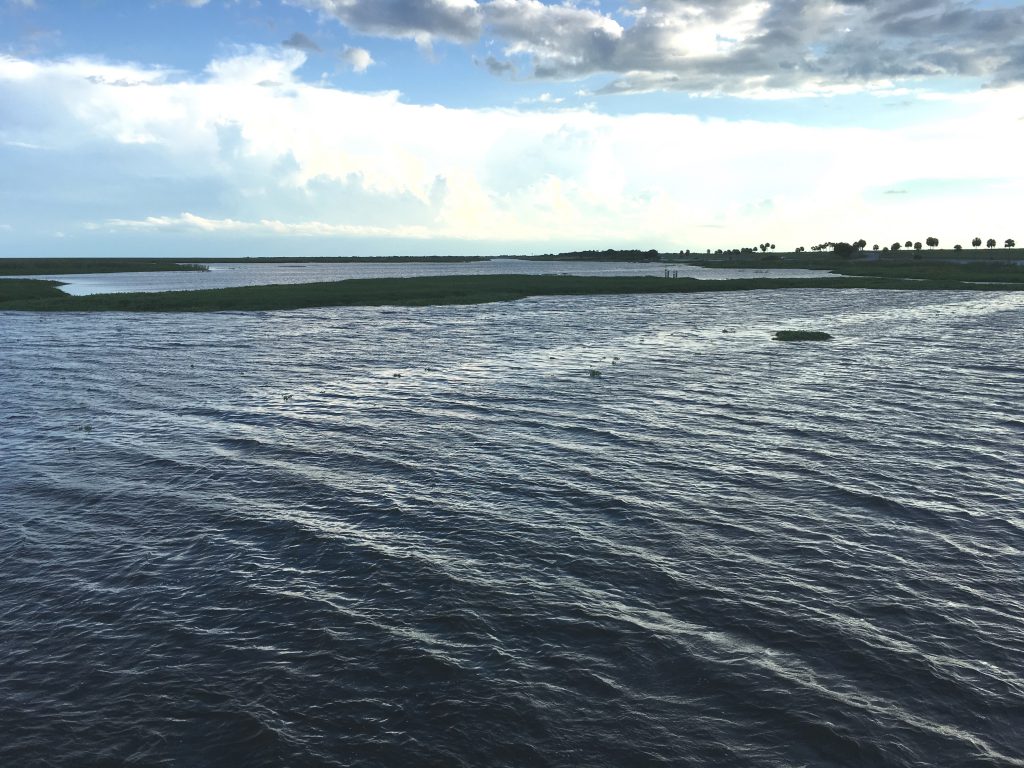
By Gary Cooper My travels through my childhood region of South Florida in recent months allowed me to bore into a few more angles of the algae story. Much of what the public is being told about Lake Okeechobee water and its connection to green algae in coastal waterways is simply not true. The facts remain the facts, and this …
Hurricane-Ravaged Florida Farmers Wonder Who’s Listening
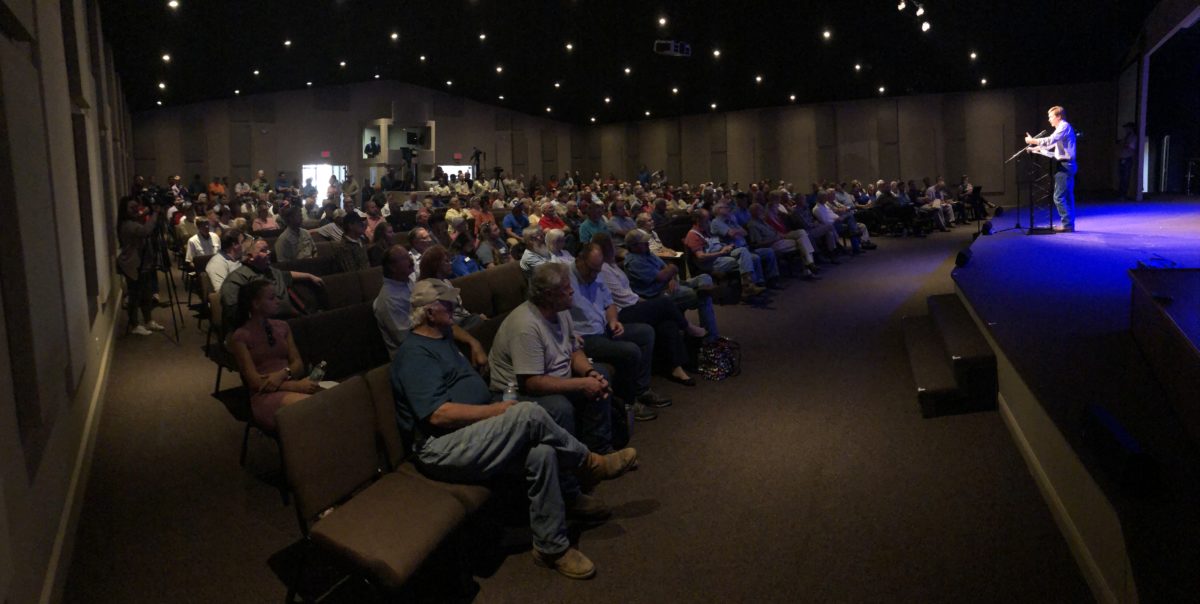
By Gary Cooper While much of mainstream news seems to be stuck on mid-term campaign coverage, thousands of rural farm families severely impacted by Hurricane Michael are starting to wonder if their words are even being heard. Florida Agriculture Commissioner Adam Putnam hosted an agricultural listening session late Tuesday afternoon in Blountstown that attracted several hundred family farmers to share …
Alabama Extension Puts All Hands on Deck After Michael
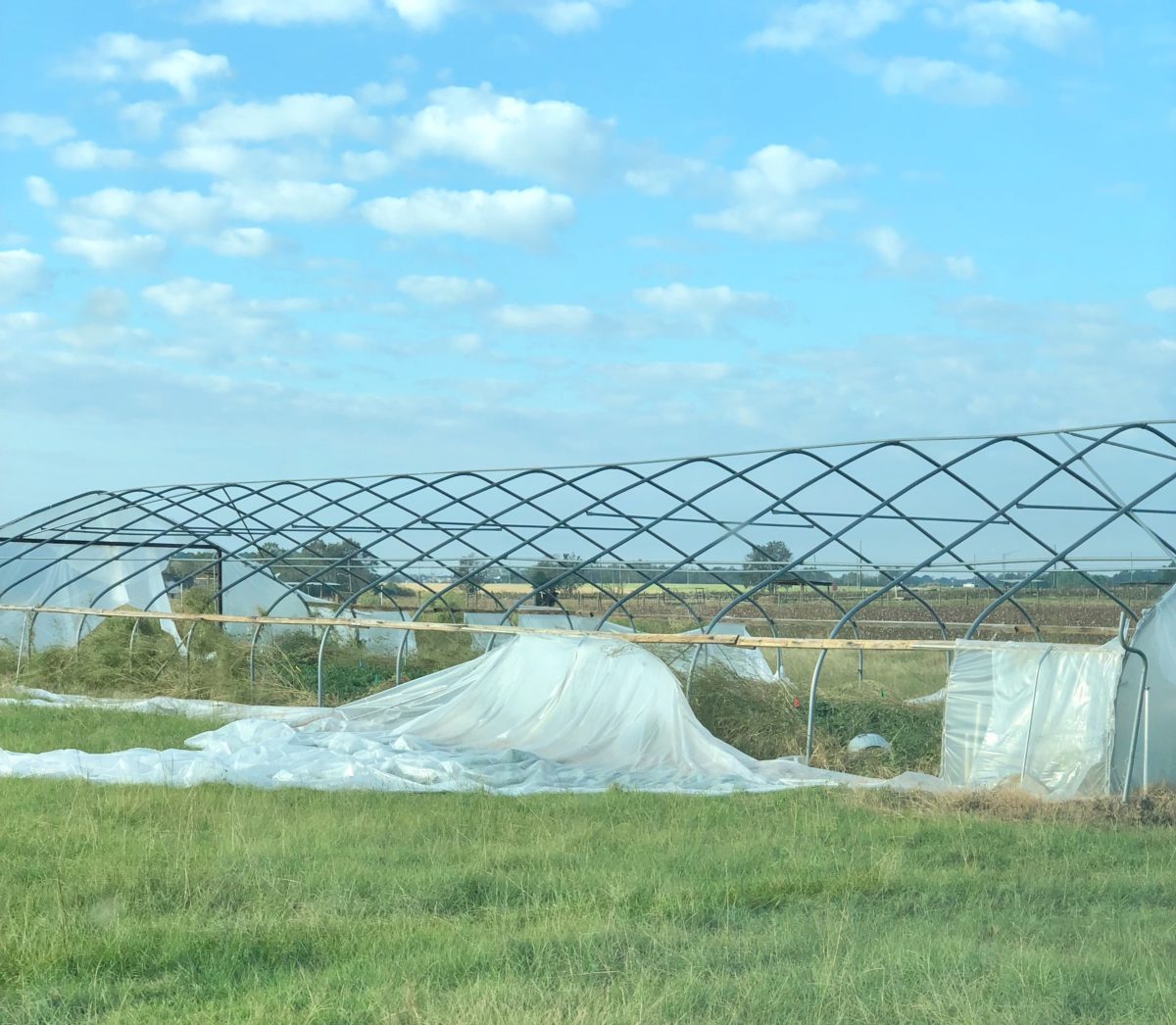
Hurricane Michael blew through the Southeastern region in early October. Vegetable growers in Georgia are still suffering from sunburnt peppers, and Florida growers are facing up to 100 percent crop loss. In Alabama, cotton seemed to take the worst hit in the southeastern corner of the state. Hurricane Michael also devastated greenhouses, cucumbers, tomatoes and several Alabama Extension research plots. …
Sneak Peek: November 2018 VSCNews Magazine
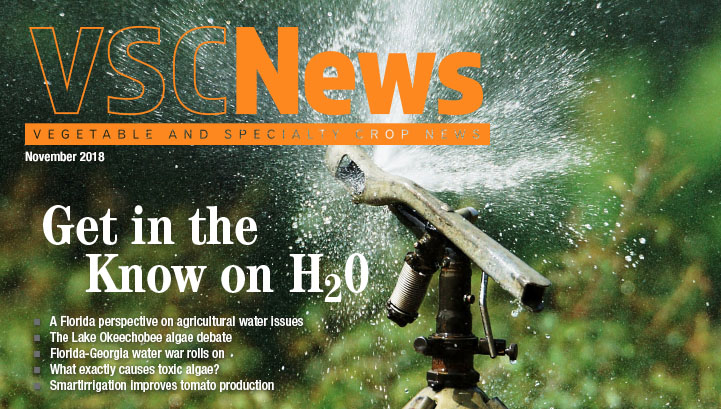
Get in the know on H2O with the November issue of VSCNews magazine. Water is a crucial aspect of agriculture in the Southeast, and the November magazine will give readers an update on ongoing water issues and a new irrigation technology. As the Florida population grows, water resources become scarcer, creating a challenge for the state’s agriculture industry. Rich Budell, …
Labor Contractors Help Growers Use H-2A Program
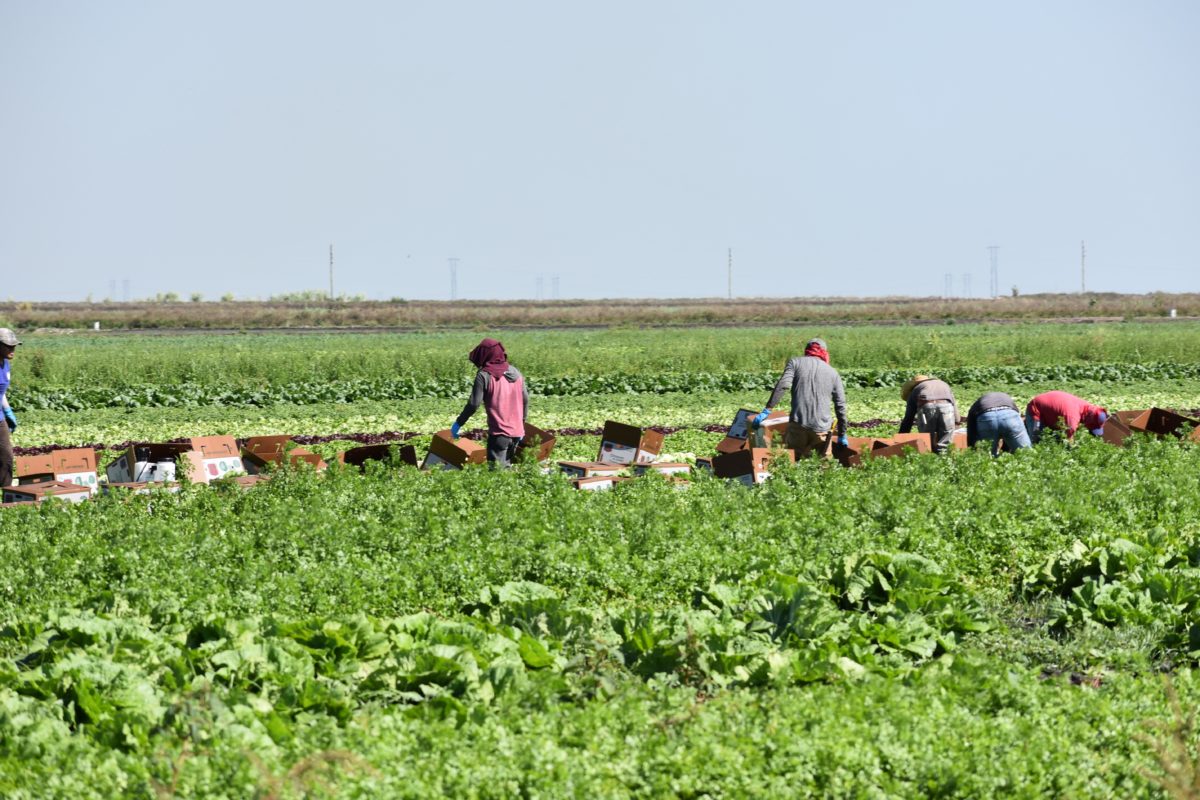
By Brian German Farms across the United States have been struggling for a number of years now to find and retain the amount of agricultural labor that is required for their operations. Many growers have switched to crops that can be mechanically harvested or simply require less labor. For the farmers who do not have that option, or remain dedicated …
Georgia Vegetable Grower Discusses Hurricane Damage
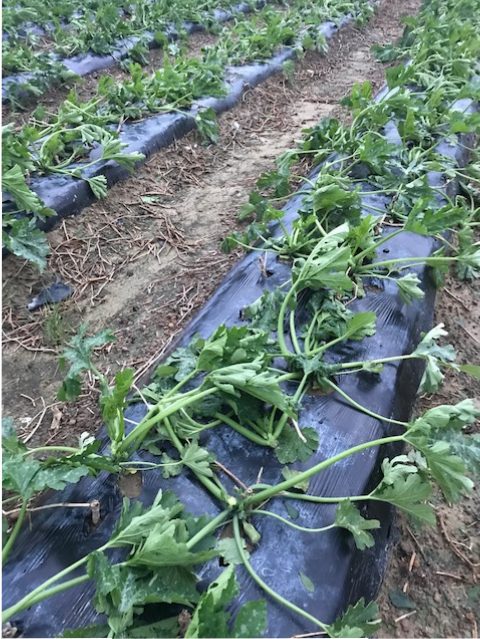
Hurricane Michael decimated multiple sectors of Georgia agriculture, ranging from cotton to pecans. One industry that was heavily impacted was vegetables. What was supposed to be a banner fall season for Georgia growers has turned into devastation. Georgia Commissioner of Agriculture Gary Black says that while the economic damages of vegetables are smaller than other commodities like peanuts or cotton, …