Hurricane Milton: Florida Ag Production Losses Top $190 Million

Clint ThompsonFlorida

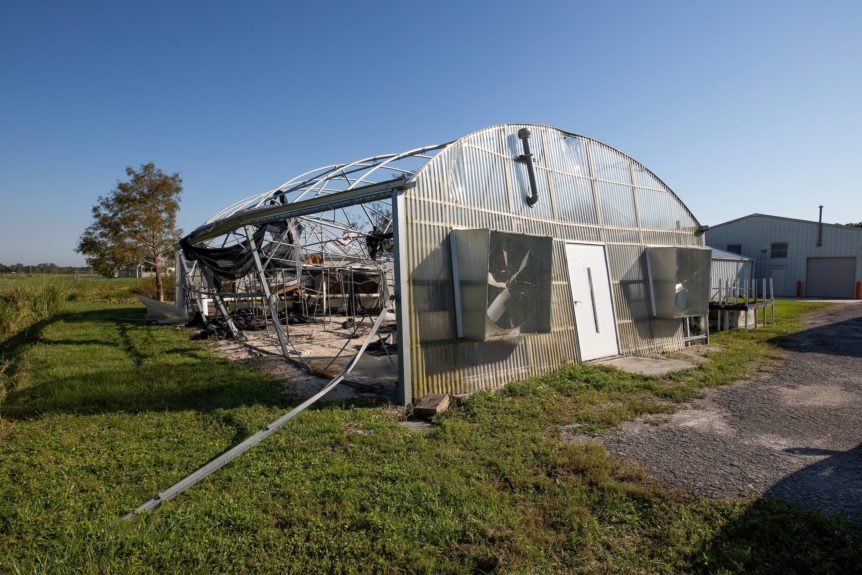
Hurricane Milton caused agricultural production losses with an estimated value between $190.4 million and $642.7 million in Florida, according to a preliminary report by the University of Florida Institute of Food and Agricultural Sciences (UF/IFAS) Economic Impact Analysis Program (EIAP). The report is based on a diverse set of baseline data and surveys UF/IFAS agricultural economists distributed to producers.  Milton …
Rainfall a Difference Maker in Some Alabama Pecan Orchards

Clint ThompsonAlabama

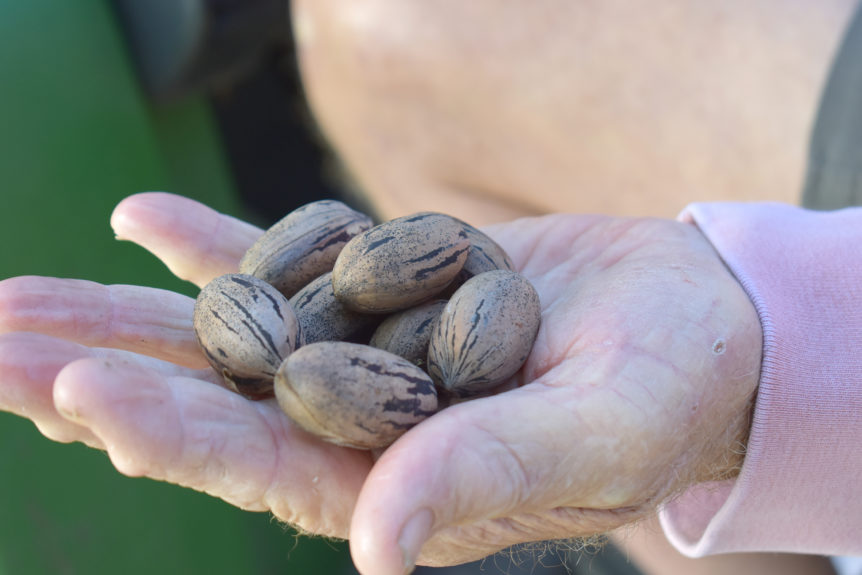
Rainfall a Difference Maker in Some Alabama Pecan Orchards By Clint Thompson The Alabama pecan crop is harvested and being processed, mostly for the retail market. Those that received more rainfall this year experienced increased yields compared to those that didn’t, says Bran Futral, Alabama Pecan Growers Association president. “I’ll tell you that central and North Alabama probably didn’t do …

Acreage Increase for North Florida Watermelons in 2025?

Clint ThompsonFlorida

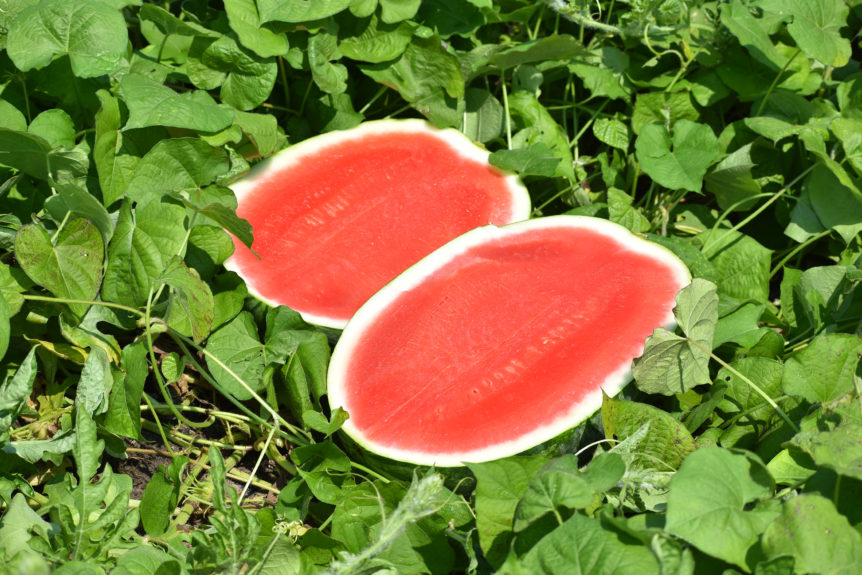
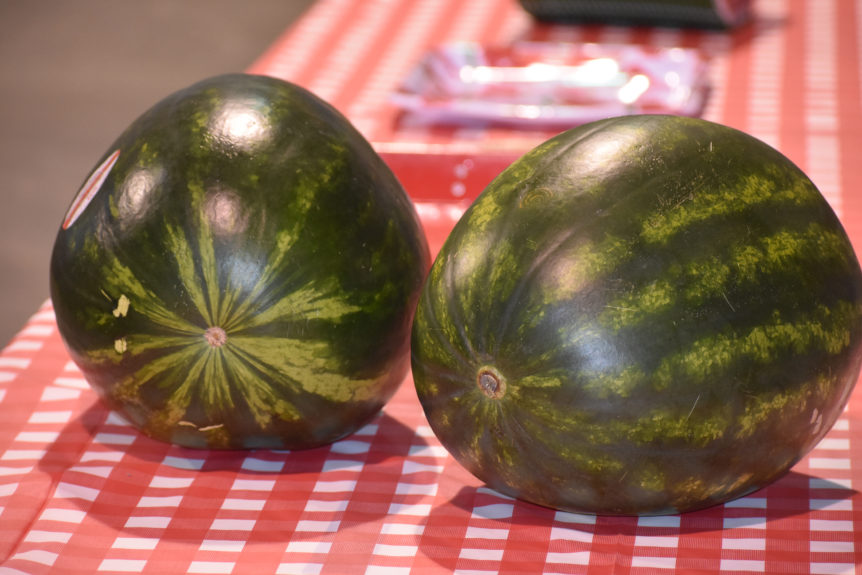
By Clint Thompson North Florida watermelon acreage does not figure to decrease in 2025; not after the successful seasons farmers have experienced the last two seasons, says Bob Hochmuth, University of Florida Institute of Food and Agricultural Sciences (UF/IFAS) Regional Specialized Extension agent in Live Oak, Florida. “I think if we settle that there were 1,000 more acres last year, …

Hurricane Recovery Differs Among Crops Impacted

Clint ThompsonFlorida

By Clint Thompson Hurricanes delivered devastating impact on fruits and vegetables this year in the Southeast. Whether it was Debby, Helene or Milton, each storm wreaked havoc on the region’s specialty crop production. But how long it takes to recover differs from storm to storm and on the commodities that were impacted, says Christa Court, University of Florida Institute of …

success

CUPS Success Rate a Relief for Researcher

Dan CooperCUPS

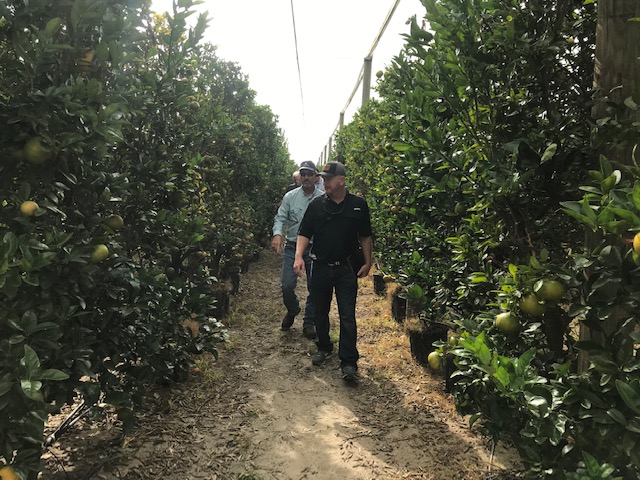
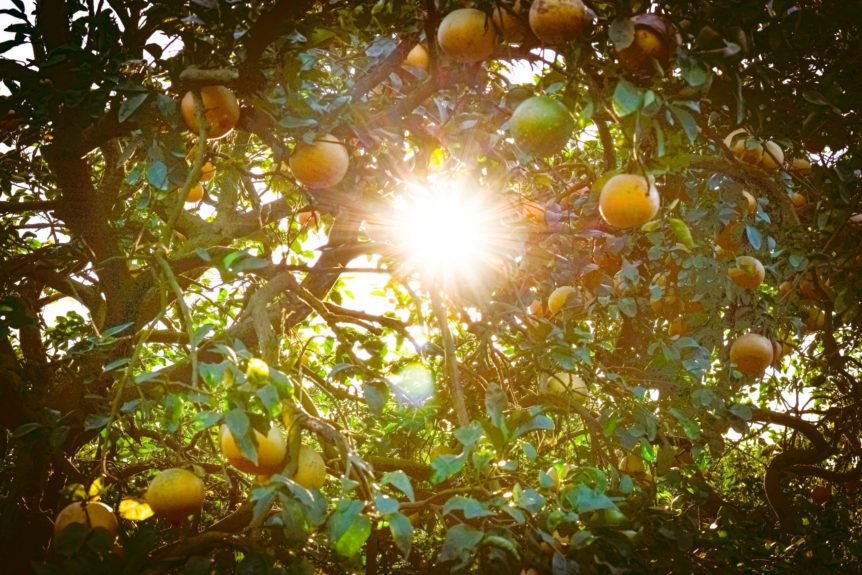
The success of citrus under protective screen (CUPS) in protecting Florida citrus from citrus greening, also known as huanglongbing or HLB, was not surprising to Arnold Schumann. The professor of soil fertility and water quality at the University of Florida Institute of Food and Agricultural Sciences (UF/IFAS) Citrus Research and Education Center is thankful research had yielded a temporary solution …

Helene Aftermath: Georgia Gov. Kemp Pleads for Federal Assistance As Soon As Possible

Clint ThompsonGeorgia

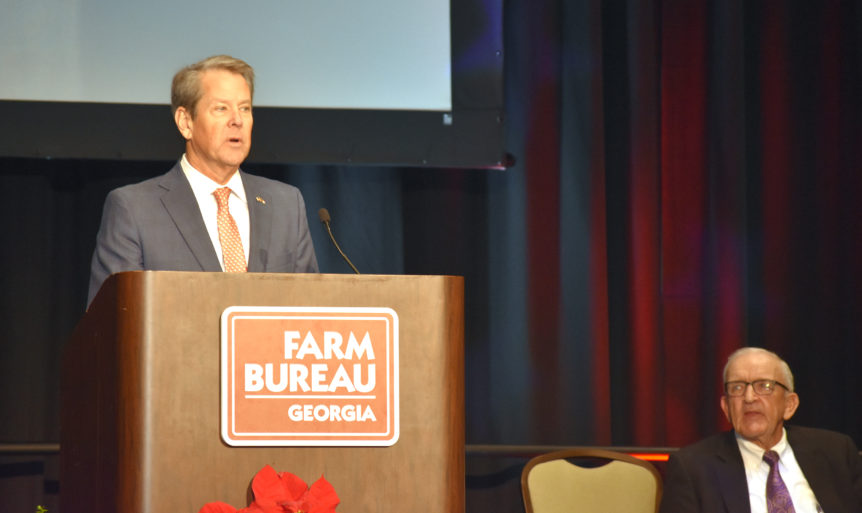
By Clint Thompson Georgia Governor Brian Kemp pleaded for federal hurricane disaster relief assistance during this week’s Georgia Farm Bureau meeting in Jekyll Island, Georgia. He spoke specifically about block grants that would aid his state’s farmers still recovering from Hurricane Helene. “I continue to urge the current administration, the incoming administration and those in Congress to fund block grants …

Suwanee Valley Watermelon Institute Hosts Annual Meeting

Clint ThompsonFlorida

By Clint Thompson This year’s Suwanee Valley Watermelon Institute meeting brought together experts and Extension agents from the University of Florida Institute of Food and Agricultural Sciences (UF/IFAS) with North Florida producers to highlight the industry and certain trends that will impact production next season. Mark Warren, UF/IFAS Extension agent in Levy County, discussed the meeting that was held on …

Intermittent Irrigation Can Save Strawberry Growers As Much As 67% on Water

Clint ThompsonFlorida

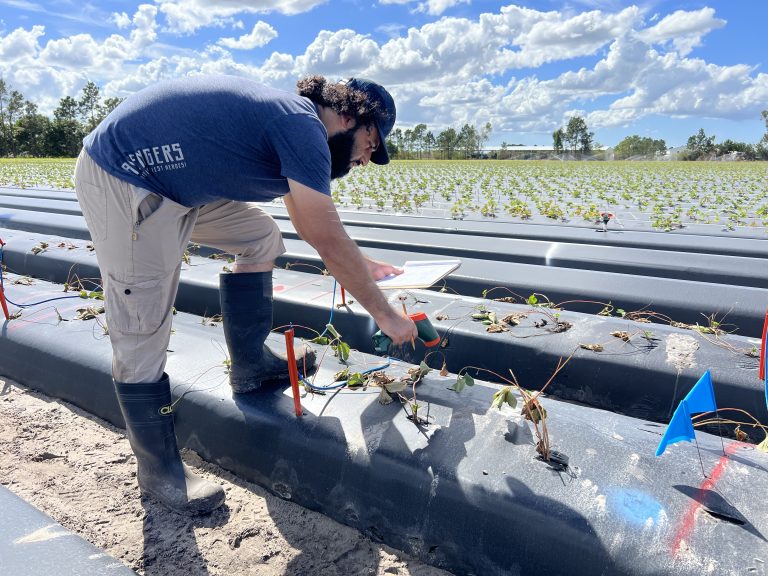
As we enter Florida’s strawberry-growing season, establishing young strawberry plants in the field requires substantial water. New University of Florida Institute of Food and Agricultural Sciences (UF/IFAS) research shows that growers can save as much as 67% — or up to half a million gallons per acre per season by alternating sprinkler cycles on and off — and achieve the …

florida

Climate Change in the Cold-Hardy Citrus Region

Dan CooperCold Hardy, Weather

Climate change is a key reason that citrus production has progressed in South Georgia, North Florida and South Alabama, the area known as the cold-hardy citrus region. As more varieties, other than satsuma mandarins, continue to be planted in the area, warmer temperatures are needed for trees to flourish. Arnold Schumann, professor of soil fertility and water quality at the …