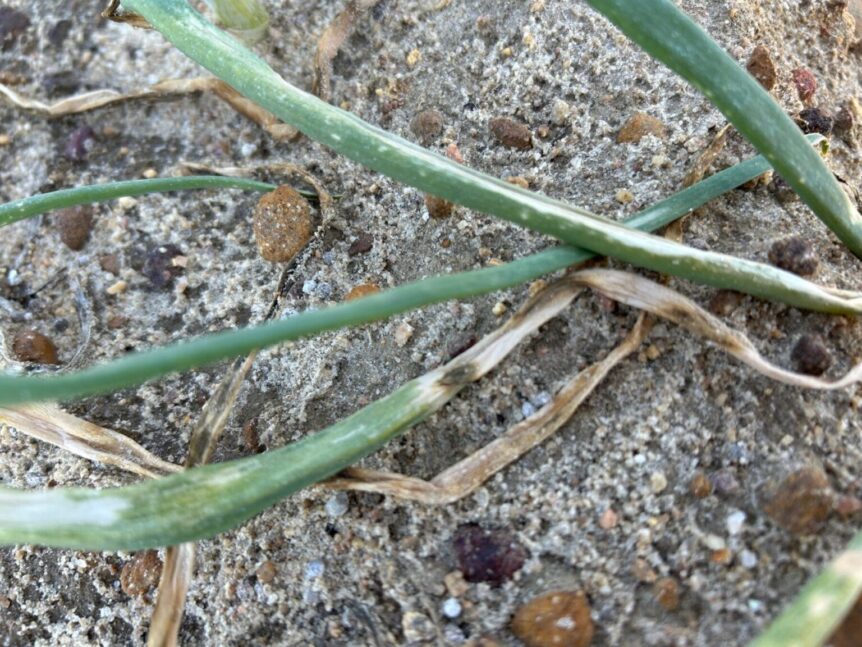
By Clint Thompson Georgia Vidalia onion producers must guard against potential disease buildup following the recent barrage of cold weather. Chris Tyson, University of Georgia Extension area onion agent at the Vidalia Onion & Vegetable Research Center in Lyons, Georgia, highlighted disease management in the UGA Vidalia Onion Blog. “We’re always worried about disease this time of year, but the …
Specialty Crop Grower Magazine: Can MAHA Move the Needle on Sales?
By Frank Giles When President Trump appointed Robert Kennedy Jr. to lead the U.S. Department of Health and Human Services (HHS), it was a clear signal that it would not be business as usual at the agency charged with “improving the health, safety and well-being of America.” With a budget of about $2 trillion, HHS has significant sway in American …
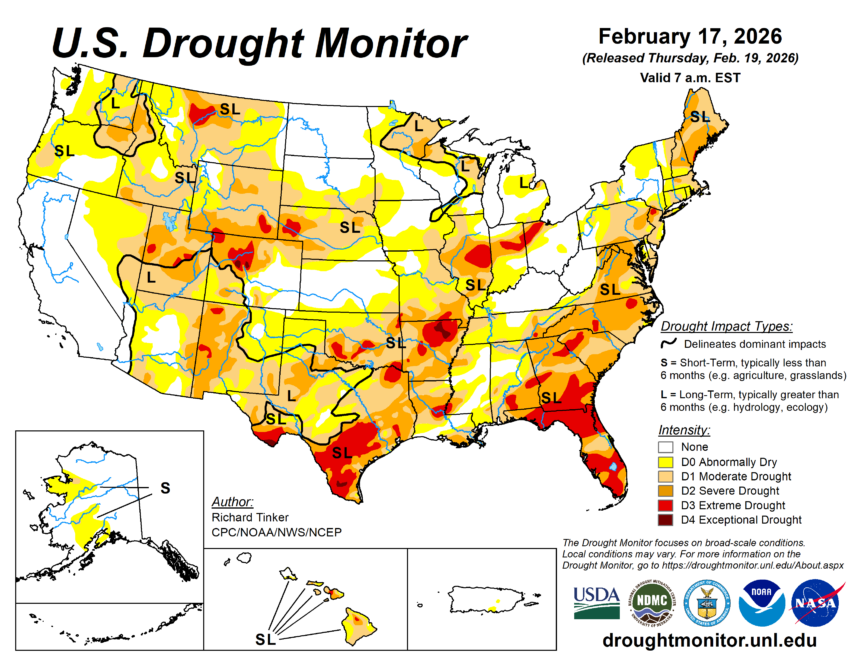
Dry Conditions Expected to Continue
By Clint Thompson Current dry conditions in the Southeast region are expected to stay that way for the next couple of months. This is according to Pam Knox, University of Georgia (UGA) Extension agricultural climatologist. She noted in the UGA Climate Blog that the NOAA Climate Prediction Center forecasts drier than normal conditions, especially in Georgia, Alabama and the Florida …
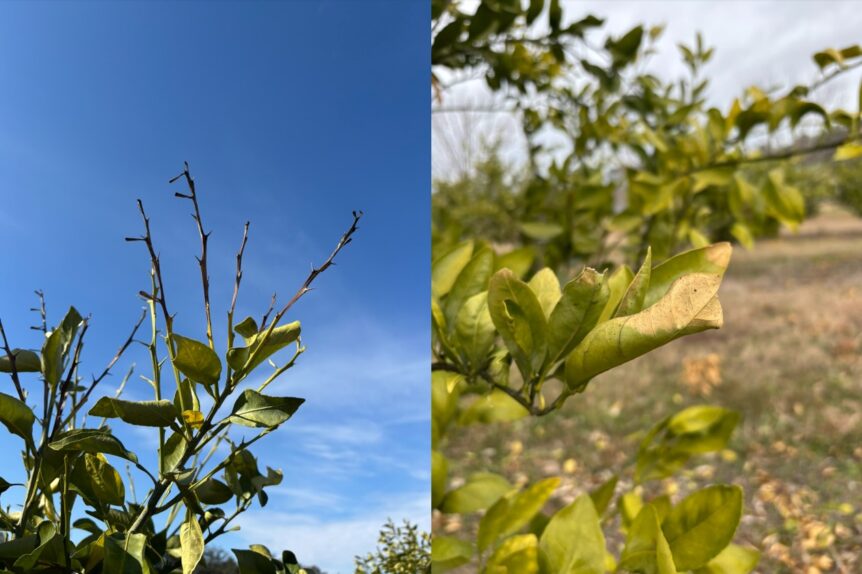
Young Georgia Citrus Trees Look ‘Dicey’ Following Freeze
Georgia’s young citrus trees appear to have endured more impact from the recent freeze event than older, mature trees. That’s an initial assessment made by Mary Sutton, University of Georgia (UGA) assistant professor and citrus Extension specialist. “I’m still getting reports, and we’re just starting our evaluation, but we’ve got a lot of leaf drop and leaf burn. There is …
Estimate Puts Florida Freeze Damage at More Than $3 Billion
As growers surveyed fields and groves after the freeze in late January and early February, it was clear the damage had been catastrophic in many cases. That was confirmed by Florida Commissioner of Agriculture Wilton Simpson with the first estimate of damage released on Feb 20. Florida Department of Agriculture and Consumer Services’ (FDACS) preliminary estimates of losses to Florida …
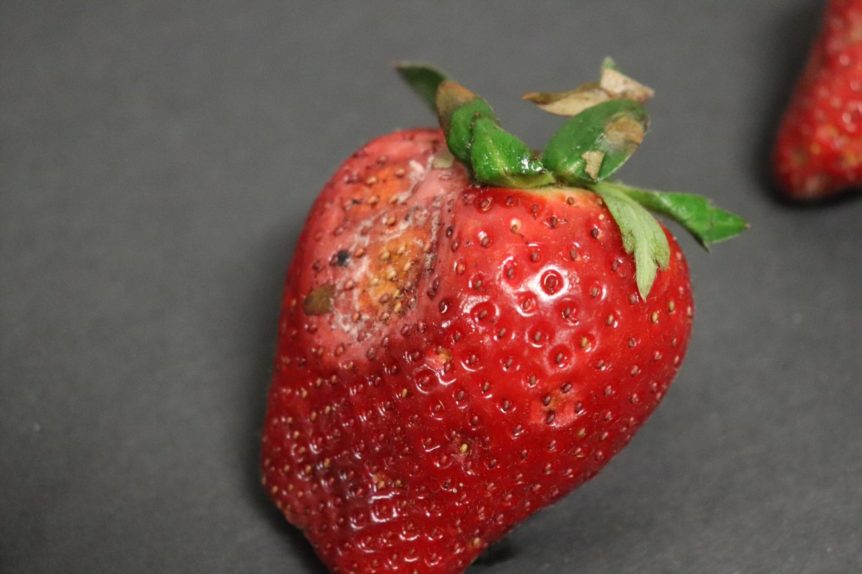
Thiram Shortage in Strawberry Production
By Clint Thompson Southeast strawberry growers should be mindful that there appears to be a shortage of Thiram this spring. This is according to a blog post made by Phil Brannen, University of Georgia (UGA) Cooperative Extension fruit disease specialist. He confirmed the news after consulting with Natalia Peres, professor of plant pathology at the University of Florida Institute of …
Neo Should Be Lessened This Year in Alabama Strawberries
By Clint Thompson What a difference a year makes for Alabama strawberry producers. Expectations are that the growers’ problems with Neopestalotiopsis (Neo) disease in 2025 will not be as problematic this year, according to Ed Sikora, professor and Extension plant pathologist in the department of entomology and plant pathology at Auburn University. The key has been where growers sourced this …
USDA Announces Assistance for Specialty Crop Farmers Impacted by Unfair Market Disruptions
(Washington, D.C.) – U.S. Secretary of Agriculture Brooke L. Rollins announced that the U.S. Department of Agriculture (USDA) is providing $1 billion in Assistance for Specialty Crop Farmers (ASCF) Program assistance for specialty crops and sugar, commodities not covered through the previously announced Farmer Bridge Assistance (FBA) program. These one-time bridge payments will help address market disruptions, elevated input costs, …
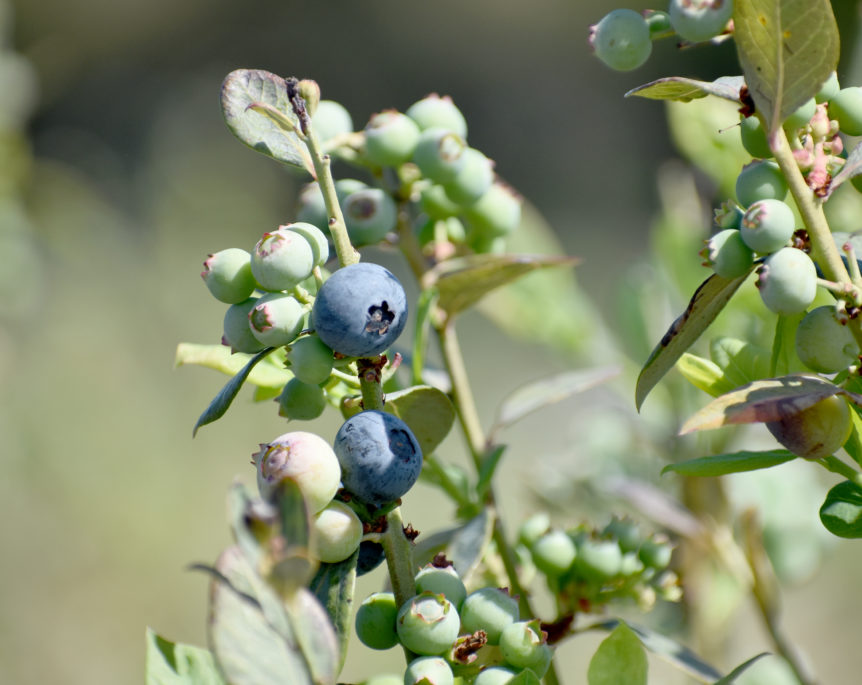
Chilli Thrips Impact Blueberries Post-Harvest
By Clint Thompson Blueberry growers managing the threat of chilli thrips are protecting next year’s crop. That’s because the insect’s impact is usually seen after harvests have concluded. That’s part of the message that Ash Sial, University of Georgia (UGA) entomologist, conveyed to producers about the threat of chilli thrips during a presentation at the 2026 Annual Blueberry Update in …
Pecan Recap: East Georgia Struggles; Hit and Miss In Other Places
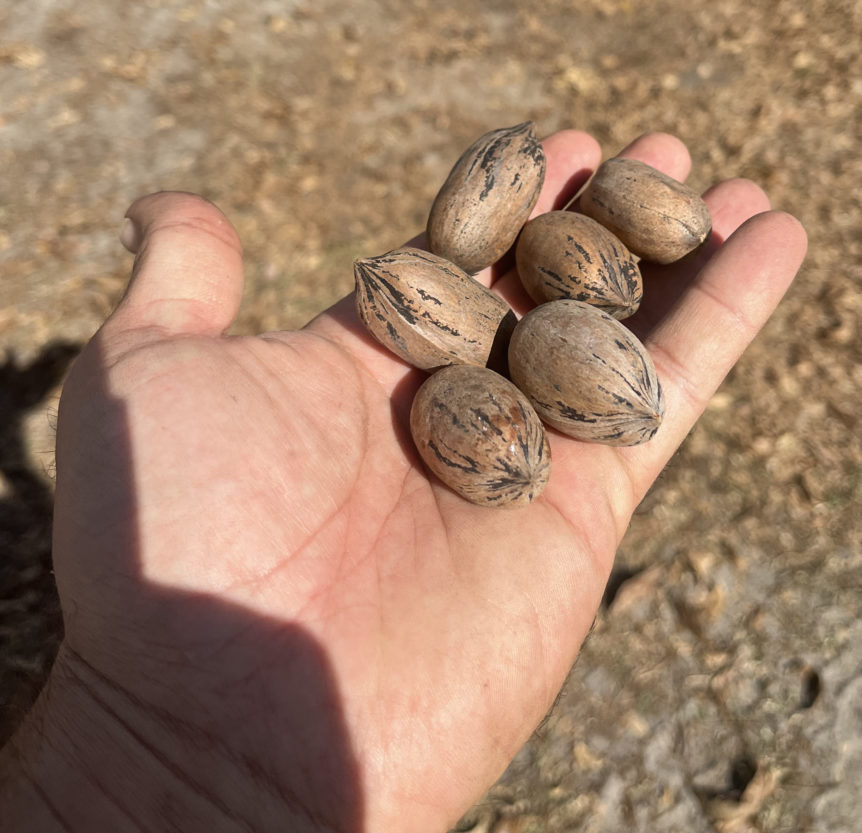
By Clint Thompson Pecan harvests have concluded. Some growers fared better than others. East Georgia producers struggled the most, says Lenny Wells, University of Georgia Extension pecan specialist. “Certainly, east Georgia, I think, was really light. I’ve heard from others, further to the west, it’s hit and miss. It seems to be people that have a lot of young trees …