







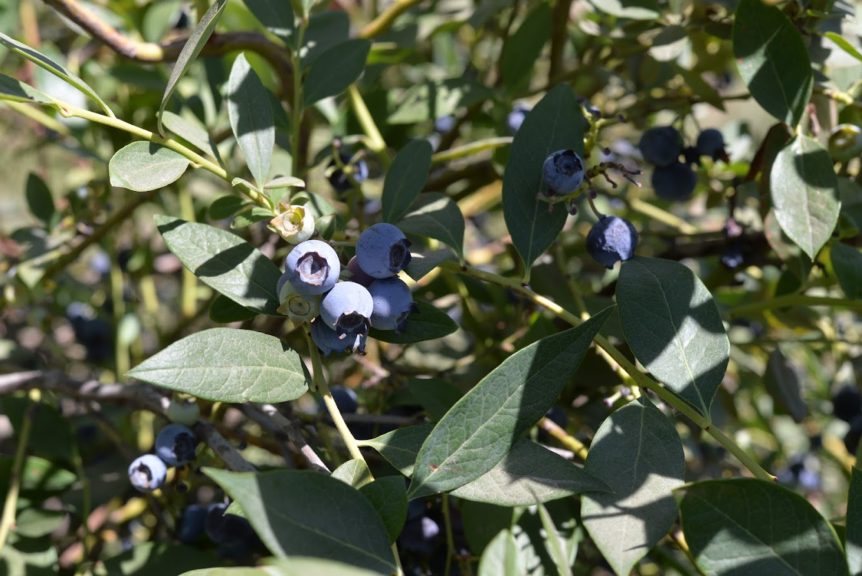
By Clint Thompson The lingering impacts from Hurricane Helene continue to be felt among Georgia’s specialty crop producers. It’s just a matter of how bad for the state’s blueberry producers who are approaching harvest season. Georgia blueberry grower Johnny Allen estimates that producers should soon know the full extent of the September storm’s impact. “I don’t think we’ll know until …
What to Think About: Disease Concerns for Peach Producers
By Clint Thompson Early season fungicide spray programs are critical for peach producers wanting to navigate certain diseases this time of year. Phil Brannen, University of Georgia (UGA) Cooperative Extension fruit disease specialist, talked about two diseases, in particular, that growers must be wary of. “As we’re moving into the spring, early peach development is very prone to disease. Two …
Specialty Crop Grower Magazine: What to Do About Whiteflies
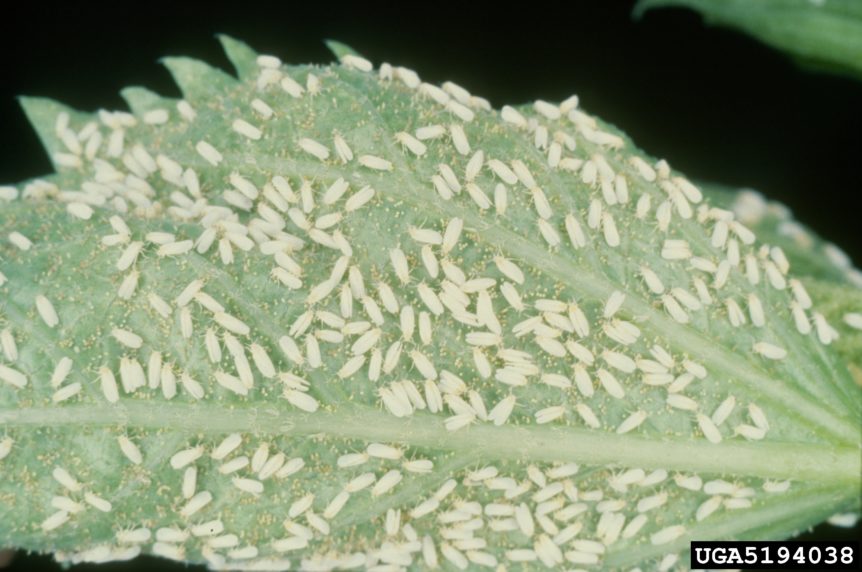
By Frank Giles and Clint Thompson Whiteflies have grown into one of the top concerns for specialty crop growers in the Southeast. The memories of the 2017 outbreak are still fresh in the minds of many who lost entire crops to the swarming clouds of the pest. According to “The 2017 Georgia Plant Disease Loss Estimates” report compiled by Elizabeth …
Hurricane Helene Aftermath: Pecan Inputs Reduced in Affected Areas For This Season
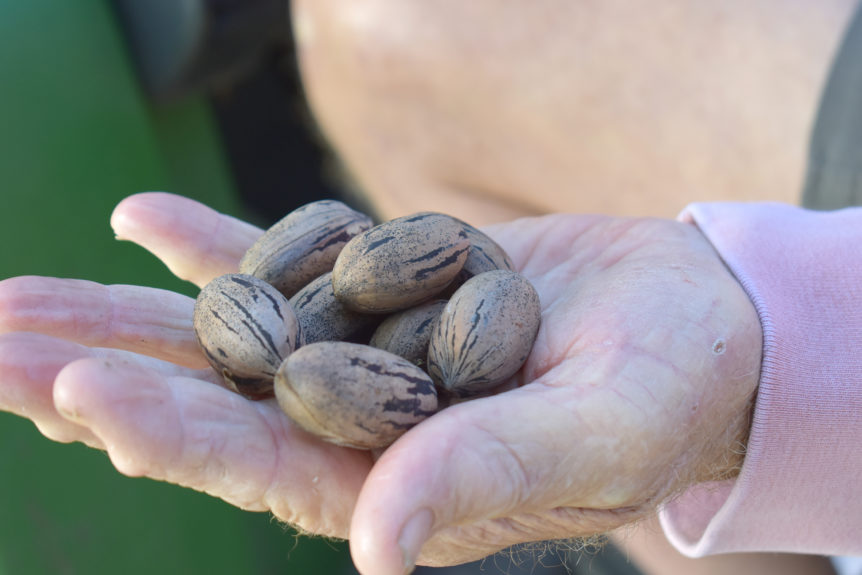
By Clint Thompson Southeast Georgia pecan orchards were ravaged last year from Hurricane Helene. Growers impacted by the storm need to be wary of what this year’s crop will look like before investing in it. Lenny Wells, University of Georgia Extension pecan specialist, discussed the crop outlook during this winter’s county meetings. “Any time we have a major hurricane come …
Vidalia Onion Field Day Scheduled for April 3
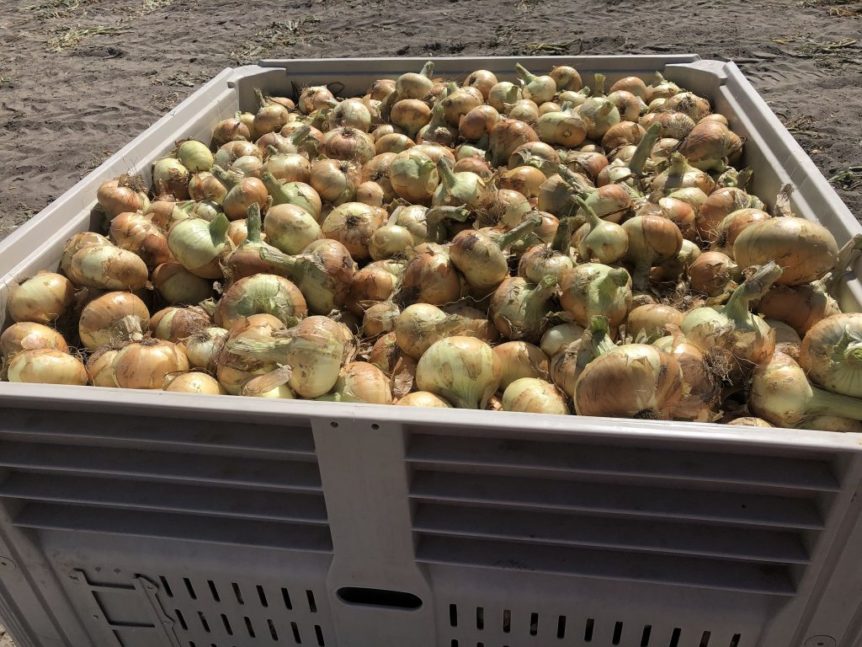
Georgia’s Vidalia onion producers should mark their calendars for the annual Vidalia Onion Field Day, scheduled for Thursday, April 3 from 10 a.m. to 1 p.m. at the University of Georgia (UGA) Vidalia Onion and Vegetable Research Center in Lyons, Georgia. The field day will include a tour of the research plots at the station, followed by a sponsored lunch …
Irrigation Reduction Key for Pecan Producers
By Clint Thompson Modified irrigation recommendations for Southeast pecan producers means growers can produce a viable crop with less water requirements. It is part of a message that Lenny Wells, University of Georgia Extension pecan specialist, is highlighting about cost reduction during this winter’s county meetings. “The water itself for us is not a big expense, but the cost to …
Georgia Vidalia Onion Farmers: Protect Omega 500F Fungicide
By Clint Thompson Georgia’s Vidalia onion producers need to guard against overusing Omega 500F, an effective fungicide that protects onions from numerous diseases, including downy mildew. University of Georgia Extension Vegetable Plant Pathologist Bhabesh Dutta highlighted the fungicide during a recent Vidalia onion meeting in Lyons, Georgia. “It is good. If we lose Omega, we’re going to be in trouble,” …
Clemson Extension Agents Provide Crop Updates
Weekly Field Update Clemson Extension agents provide updates in The South Carolina Grower this week about the status of various crops being produced throughout the state. Coastal Region Anna Sara Hill Zack Snipes Midlands Rob Last Sarah Scott Upstate Briana Naumuk Andy Rollins Sponsored ContentNew Syngenta Varieties Offer Grower SolutionsFebruary 1, 2026Attribute® II Technology Adds More Flexibility and Strength to …
Ambrosia Beetles Control Important for Southeast Pecan Producers
By Clint Thompson Ambrosia beetle control this time of year is crucial for pecan producers in Georgia and Alabama. Young trees are most susceptible, as are those that are growing under stressed conditions. Apurba Barman, an assistant professor of entomology at the University of Georgia Tifton Campus, is highlighting the insect’s management during the county winter meetings. “We started to …
Chlorpyrifos Insecticide Update: June 30, 2025 Cutoff Date
Fruit and vegetable growers who use chlorpyrifos should be reminded that the insecticide can only be applied on food crops until June 30, after which continued use will be banned. University of Florida Institute of Food and Agricultural Sciences (UF/IFAS) researchers advise producers that the products that contain chlorpyrifos are “unlikely to be available for sale and finding alternatives to …