









It may be the end of the season for many South Florida vegetable and specialty crop producers, but preparations should already be made for the upcoming fall season. According to the South Florida Pest and Disease Hotline, field sanitation is one of the most important management tools that producers utilize. It’s essential that growers clean up crop residues after harvest. …
Whitefly Populations High in South Florida
According to South Florida Pest and Disease Hotline, whitefly populations are high in beans, squash, eggplants and tomato in Southwest Florida. As a result, Tomato Yellow Leaf Curl Virus is high in most tomato fields. Older cucurbit and fruiting vegetables are experiencing especially high numbers. “Some growers report that they are worse than they have ever been while others claim …
Whitefly Infestations Surge Across South Florida Region
According to the most recent South Florida Pest and Disease Hotline, whitefly pressure continues to build across the region, with populations reaching high numbers. This is especially true in older cucurbit and fruiting vegetables at or close to harvest. Whiteflies feed on various hosts but the crop that’s proven to be most vulnerable is older tomato fields that should have …
South Florida Producers Dealing with Abnormally Dry Conditions
South Florida is abnormally dry. While it is not uncommon this time of year, vegetable and specialty crop producers are having to adjust with their irrigation management, says Gene McAvoy, University of Florida Regional Vegetable Extension Agent IV Emeritus. “It’s pretty characteristic of this time of year in South Florida. We’re in the height of our dry season now. We …
Crop Progress: What’s Happening in Southeastern States?
The United States Department of Agriculture released its crop progress reports for each state this week. Alabama: Temperatures in March were comparable with or up to 7.9 degrees Fahrenheit warmer than historical averages. Rainfall ranged from 2.6 inches to 14.6 inches, though heavy rain was recorded during the latter part of the month. It improved drought conditions but also halted …
Sneak Peek: April 2021 VSCNews Magazine
The April issue of VSCNews magazine explores biodiversity, conservation funding, watermelons and a variety of other topics. First up, an article by University of Florida Institute of Food and Agricultural Sciences (UF/IFAS) professor Oscar Liburd and postdoctoral research associate Lorena Lopez, discusses how to control sweetpotato whiteflies with biological control agents like predatory mites in squash production. Conservation funding from the …
Warmer Temps Mean Increased Pest Pressure in South Florida
Temperatures are starting to warm considerably in South Florida. Vegetable farmers need to be mindful of various insects that thrive in hot conditions. “It’s been warming up so you kind of expect to see a flush of pests in the near future. It’s kind of hit and miss in some places with whiteflies and things,” said Craig Frey, University of …
Insect Report: Pests Currently Light for Georgia Vegetable Producers
It is planting season for Georgia vegetable producers. They can take solace in knowing that insect pressure appears to be light right now, minus some pepper weevils. This is according to University of Georgia Cooperative Extension vegetable entomologist Stormy Sparks. “There’s concerns about pepper weevil as we’re getting peppers in the ground. We’re running traps in various counties, got county …
Whitefly Infestations: Pest Numbers Increasing in South Florida
Whitefly infestations continue to increase in vegetable fields in Southwest Florida. According to the South Florida Pest and Disease Hotline, tomato fields have been greatly impacted. Adult whiteflies are swarming young cucurbit plants, especially those transplants that have just been planted in the ground and those direct seeded crops. Growers and scouts report that whitefly pressure is increasing in some …
Whitefly Numbers Increasing in Florida Vegetables
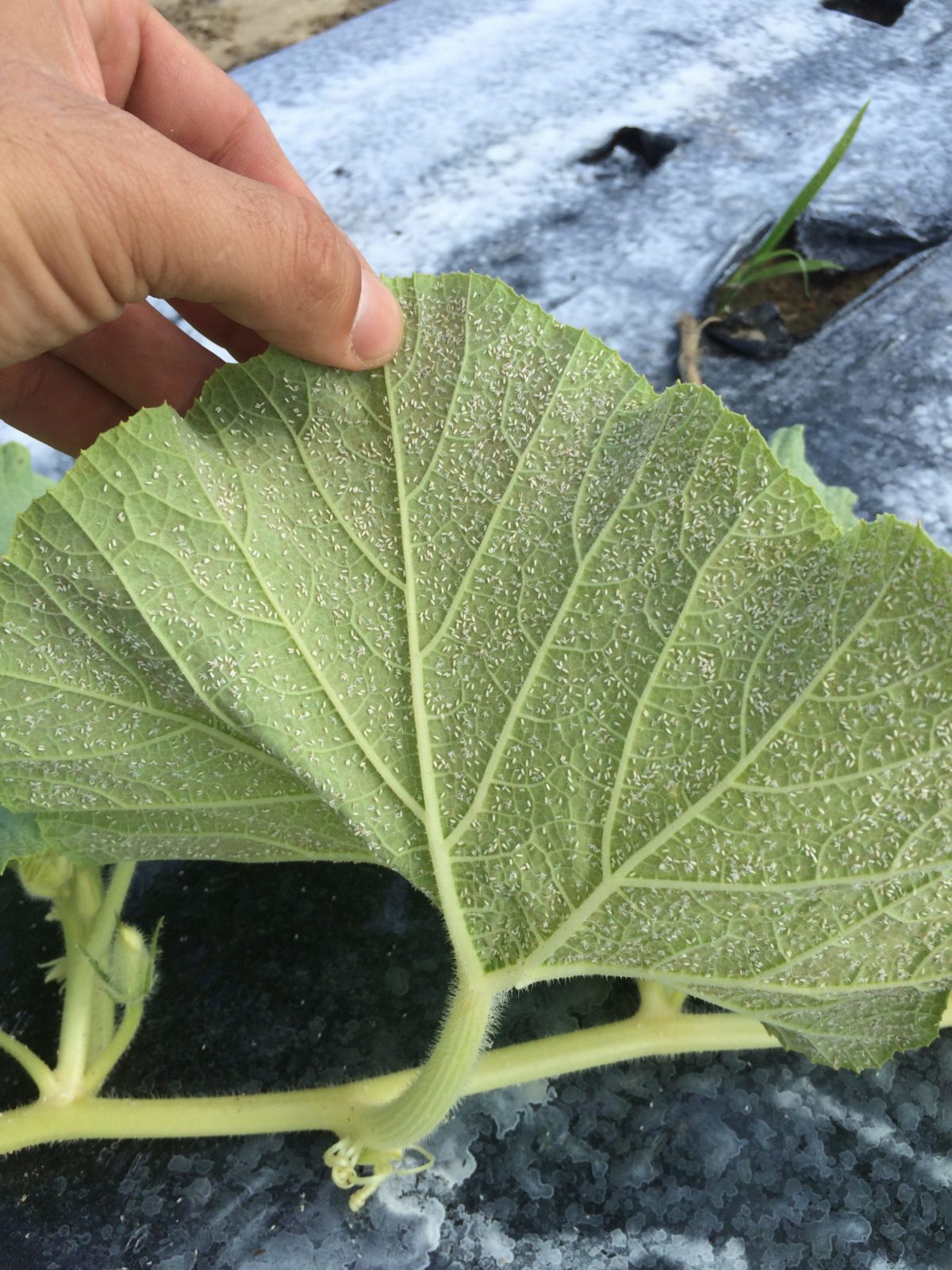
According to today’s release of the South Florida Pest and Disease Hotline, whitefly numbers are increasing in some older tomato fields across the southwest Florida region. As many as 5 to 10 whiteflies per leaflet have been detected. Whiteflies are also present in high numbers in cucumbers, squash and eggplant. They are beginning to show up in some young tomato …