(Washington, D.C., February 26, 2026) – The U.S. Department of Agriculture’s National Agricultural Statistics Service (NASS) recently released the 2024 Census of Horticultural Specialties report. The data show that horticulture operations sold a total of $18.3 billion in floriculture, nursery and specialty crops in 2024. Horticultural sales in 2024 compared to 2019 show an increase in sales and number of …

Weed Management Strategies
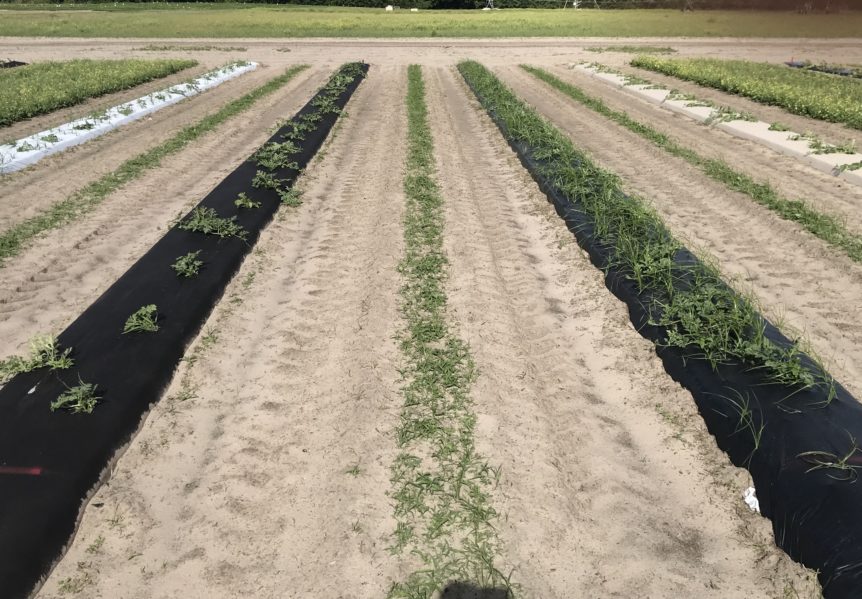
By Clint Thompson Fruit and vegetable growers who hope to control weed growth with cover crops during the fallow period must remember that this management strategy is not totally effective with every weed, particularly yellow and purple nutsedge. Nathan Boyd, University of Florida Institute of Food and Agricultural Sciences (UF/IFAS) professor of horticulture and weed science, focused on the topic …
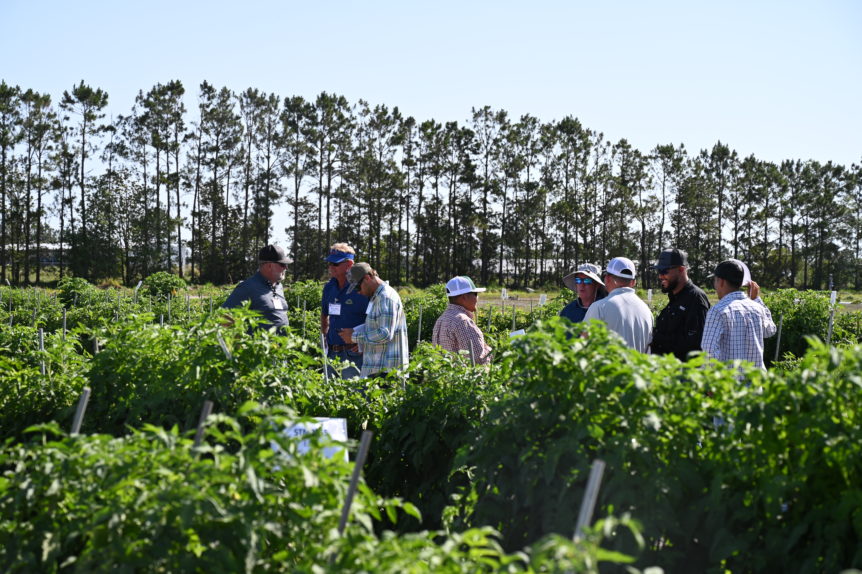
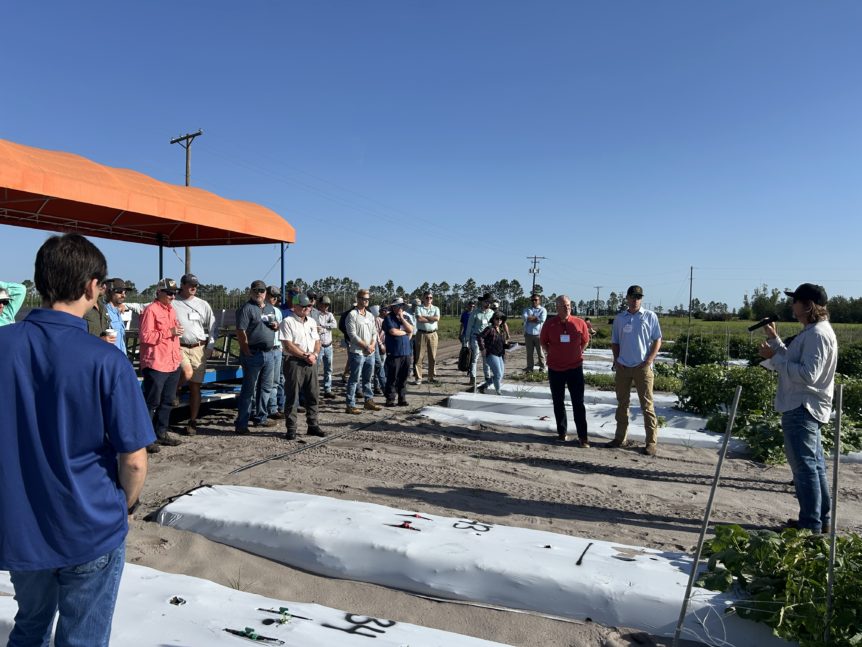
Specialty Crop Grower Magazine: Tomato Field Day Covered Wide Range of Production Topics
By Frank Giles In mid-May, the University of Florida Institute of Food and Agricultural Sciences (UF/IFAS) Gulf Coast Research and Education Center hosted a tomato field day to showcase research being conducted at the facility. The event was well attended, filling up several wagon loads of people who made their way through six field stops that focused on nematodes, tomato …
UF/IFAS Study: Drones, AI Help Farmers Save Money, Protect the Environment
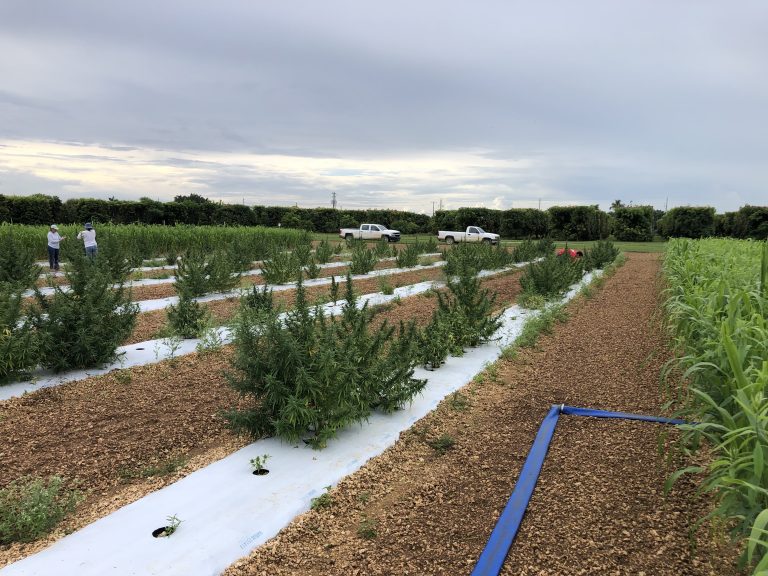
A new University of Florida (UF) study shows how drones can do more than just take aerial pictures and videos — they can help farmers grow better hemp by seeing the health of their crops with some artificial intelligence (AI) assistance. Researchers at the UF Institute of Food and Agricultural Sciences (UF/IFAS) Tropical Research and Education Center (TREC) in Homestead …
Tomato Field Day Shows Off Latest Research
In mid-May, the University of Florida Institute of Food and Agricultural Sciences (UF/IFAS) Gulf Coast Research and Education Center hosted a tomato field day to showcase research being conducted at the facility. The event was well attended, filling up several wagon loads of people who made their way through six field stops that focused on nematodes, tomato breeding, fertilizer recommendations, …
UF/IFAS Blueberry Breeding Program Has Widespread Impact
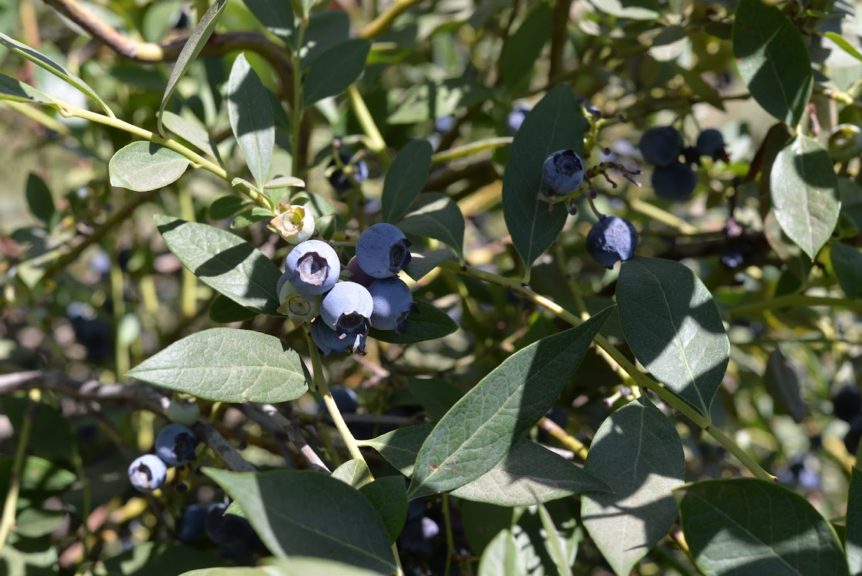
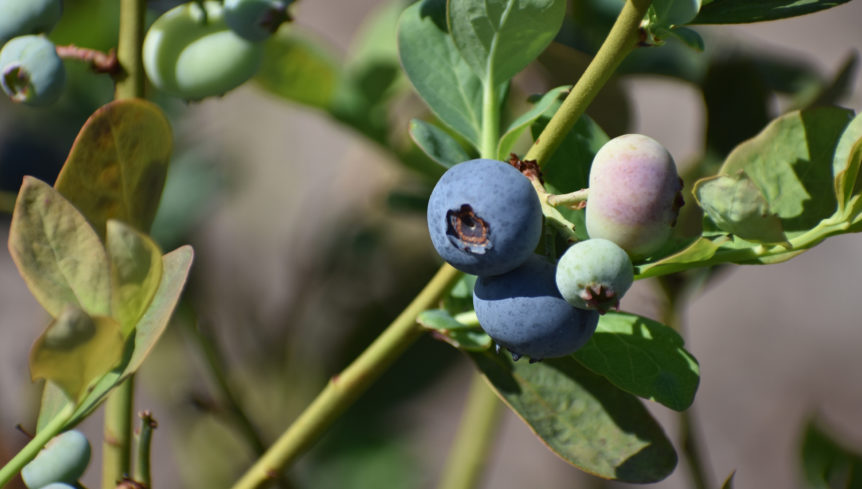
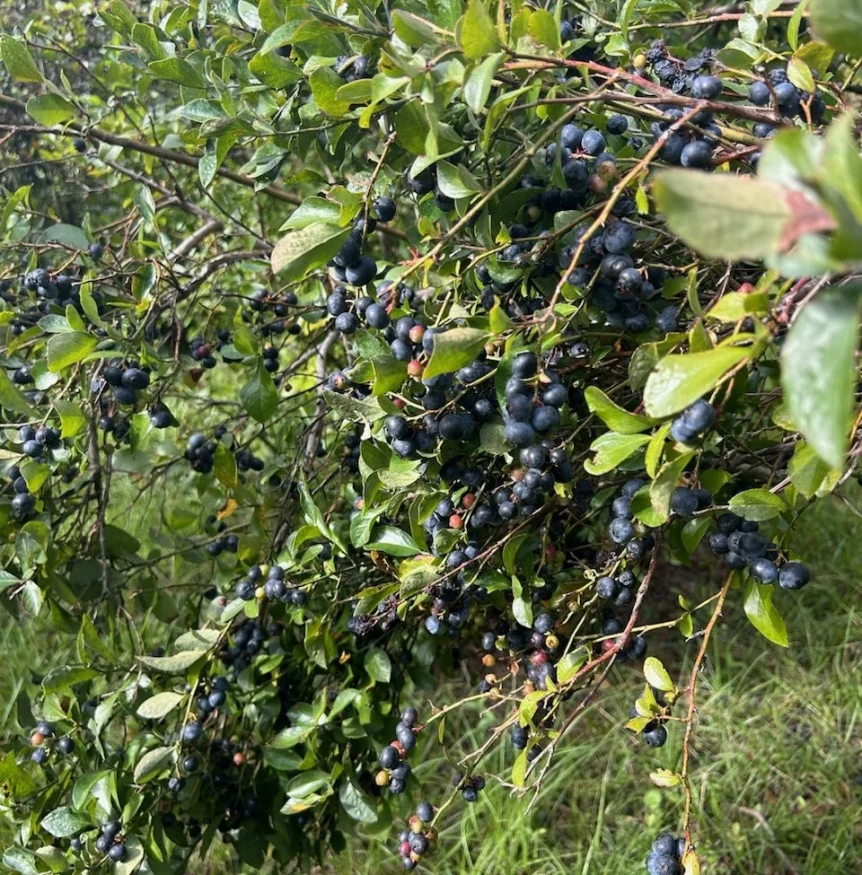
By Clint Thompson Florida’s blueberry breeding remains an integral part of production, not only in the state, but in the country as well. University of Florida Institute of Food and Agricultural Sciences (UF/IFAS) blueberry breeder Patricio Munoz emphasizes the impact his program has had on varieties being produced across the country. “In the case of Florida, I believe we have …
Multiple Blueberry Varieties Being Produced Throughout Florida
By Clint Thompson Florida blueberry farmers are not placing all of their eggs in one basket when it comes to planting certain varieties. That’s encouraging news for University of Florida Institute of Food and Agricultural Sciences (UF/IFAS) blueberry breeder Patricio Munoz. He reported at last week’s Southeast Regional Fruit and Vegetable Conference that the Farthing variety comprised the most blueberry …
How’s It Looking? Clemson Extension Agents Provide Crop Updates
Weekly Field Update Clemson Extension agents provide updates in The South Carolina Grower this week about the status of various crops being produced throughout the state. Coastal Region Zack Snipes Midlands Sarah Scott Pee Dee Brittney King Upstate Andy Rollins Sponsored ContentNew Syngenta Varieties Offer Grower SolutionsFebruary 1, 2026Attribute® II Technology Adds More Flexibility and Strength to Sweet Corn Pest …
UF/IFAS Scientists Studying Whether Cover Crops, Compost Can Increase Tomato Efficiency
Specialty crop producers are always looking for ways to increase their yields and boost the ability of their crops to resist pests, diseases and heat spurred by climate change. That’s particularly the case when you grow crops in a high-intensity production system, which farmers use to produce tomatoes in Florida. Such systems require a lot of water, nutrients and chemicals …
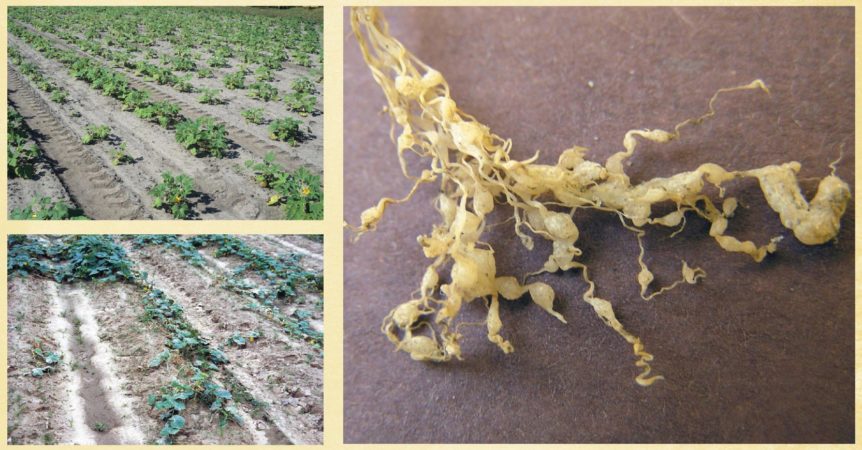
Nasty Nematodes Can Steal Yields if Not Monitored and Managed
By Frank Giles Estimates vary, but plant-parasitic nematodes take a huge bite out of global agricultural production and profits each year. An often-cited figure is that the many species of the pest cause about $125 billion worth of crop losses each year. That equates to roughly 5% of crop yield losses globally. There are about 20,000 described species of nematodes, …