By Clint Thompson Predatory mites are an effective management option for strawberry growers dealing with mite infestations. But growers should understand the ramifications of pesticide impacts on the predatory mites. Lorena Lopez, N.C. State assistant Extension professor of entomology and plant pathology, highlighted that topic during the Southeast Regional Fruit and Vegetable Conference in early January. “In the case of …
Don’t Reapply Diamides Against Beet Armyworms If Fail to Gain Control
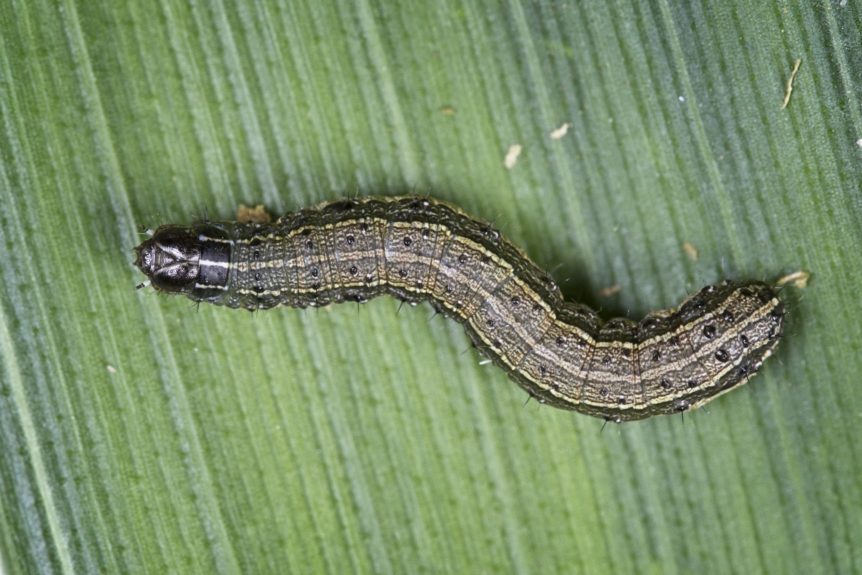
By Clint Thompson Diamide insecticide resistance in beet armyworms has been reported in Georgia and detected in multiple locations. While it is not yet known how widespread the resistance is, growers should abstain from duplicating chemical applications if they do not achieve initial control, says Stormy Sparks, University of Georgia (UGA) Cooperative Extension vegetable entomologist. “If they’ve got a product …
Potential Whitefly Resistance a Concern for Growers Managing Cotton Jassid
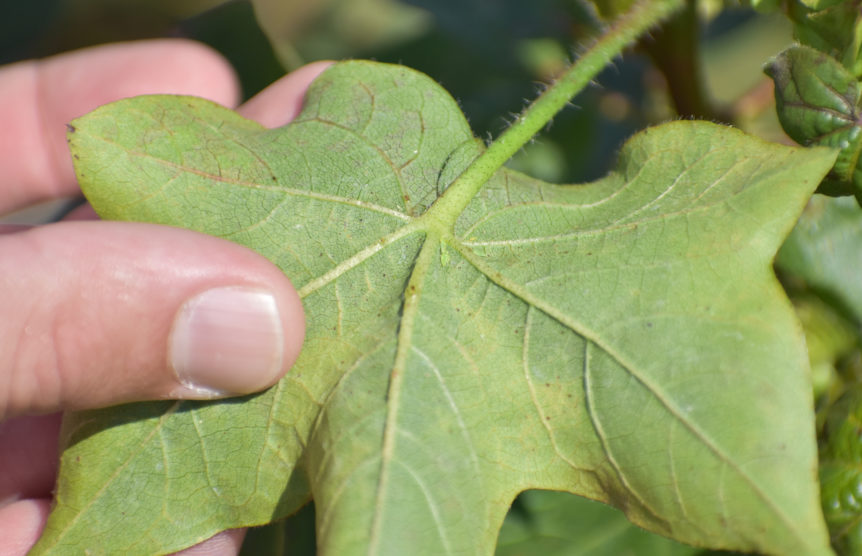
By Clint Thompson Vegetable producers and cotton growers are anxiously playing the waiting game with regards to the cotton jassid. If and when the new insect threat arrives this spring could have a ripple effect on growers’ management plans. Producers controlled the jassid last fall with sprays they were already applying for whiteflies. Growers usually do not apply insecticides for …
South Florida Pest and Disease Hotline: Caterpillar Infestation Update
Caterpillar pressure varies across southern Florida, according to the South Florida Pest and Disease Hotline. Overall worm pressure varies from low to high in southwest Florida. It mostly depends on location, crop and date of planting. Scouts indicate that sweet corn fields experienced low to moderate, but constant pressure from fall armyworm on young and silking corn. Beet armyworm laid …
November Management Tips for Blueberry Growers
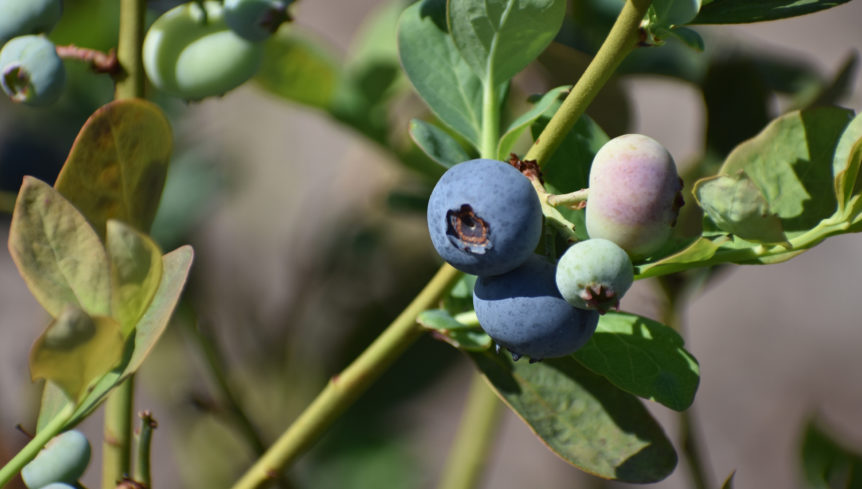
The University of Florida Institute of Food and Agricultural Sciences offers management tips for blueberry growers in November. Growers should monitor and manage leaf diseases, especially in evergreen systems. As far as insect pests, producers should begin monitoring for blueberry gall midge and spray recommended insecticides when adults are seen. If traps are not being implemented, spray right before floral …
Specialty Crop Grower Magazine: Recommendations for Blueberry Scale Management in North Carolina
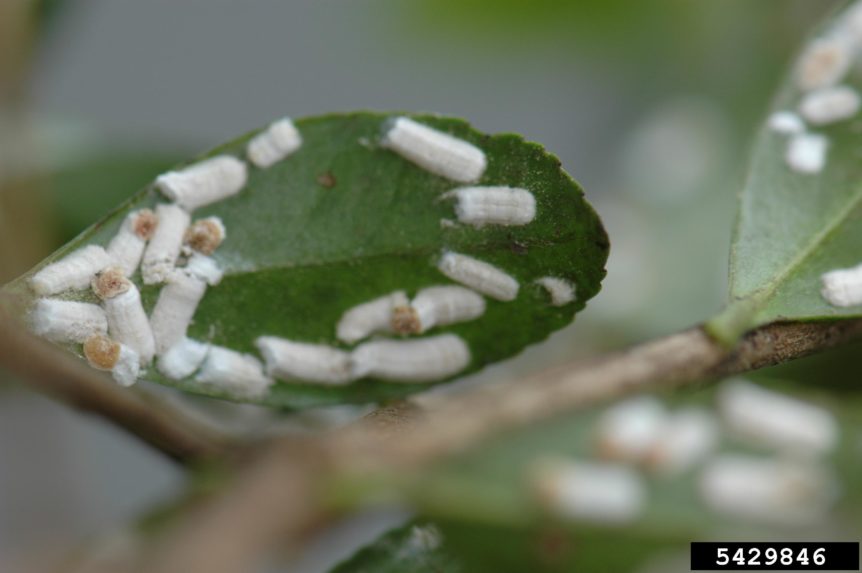
Scale insects can cause blueberry damage in several ways. The tiny pests suck plant sap out of foliage. In high enough numbers, scale can weaken the vigor and growth of blueberries. The pests also excrete honeydew, which can produce sooty mold on the plant and fruit. In excess amounts, honeydew and sooty mold can reduce the grade of fruit or …
Psyllids and HLB Spreading in Georgia
Populations of Asian citrus psyllids (ACP) have been found in residential and commercial citrus in Georgia’s Lowndes and Wayne counties during the past two months. ACP spread huanglongbing (HLB) disease. In several places where ACP were found, HLB-infected trees were identified nearby. University of Georgia College of Agricultural and Environmental Sciences (UGA CAES) entomologist Apurba Barman provided details about the …
The Relationship Between Snails and Weeds Needs Research
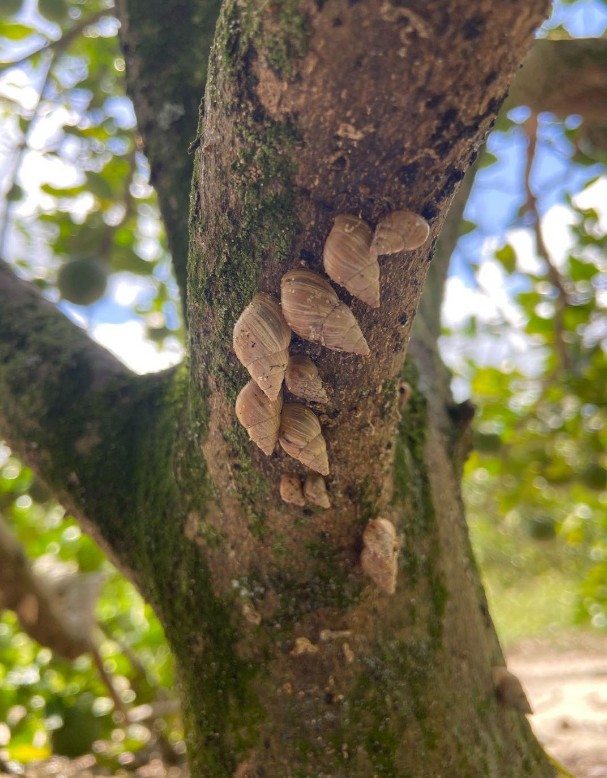
The preference of Bulimulus bonariensis snails to feed on weeds in citrus groves does not necessarily imply that increased weed management will lead to a reduction in pest populations. This relationship requires further research by Lauren Diepenbrock, University of Florida Institute of Food and Agricultural Sciences (UF/IFAS) assistant professor and entomologist. “It’s something I think we really need to look …
Thresholds a Non-Factor in Whitefly Management
By Clint Thompson Whitefly management in the Southeast is not predicated on thresholds; how many whiteflies can a vegetable plant tolerate before insecticides need to be applied. Growers know they will encounter the insect pest, so thresholds won’t matter. Management involves more preventative measures, says Stormy Sparks, University of Georgia Cooperative Extension vegetable entomologist. Sparks was part of a panel …
Drought Impacting Alabama Fruit, Vegetable Production
By Clint Thompson Increased drought across Alabama means fruit and vegetable producers are more likely to treat for insects than for any potential disease buildup. The lack of rain, as evidenced by the Sept. 11 release of the U.S. Drought Monitor, means diseases lack the necessary moisture to build up. However, it poses increased risk for insect pressure, says Jacob …