By Frank Giles When the United States-Mexico-Canada Agreement (USMCA) went into effect in July 2020, specialty crop growers in the Southeast were disappointed the replacement of the North American Free Trade Agreement did little to protect their domestic interests and markets. When the agreement was crafted, it included a provision that the USMCA would undergo a joint review to assess …
Dry Weather Preferred: Alabama Tomato Grower Discusses Current Drought
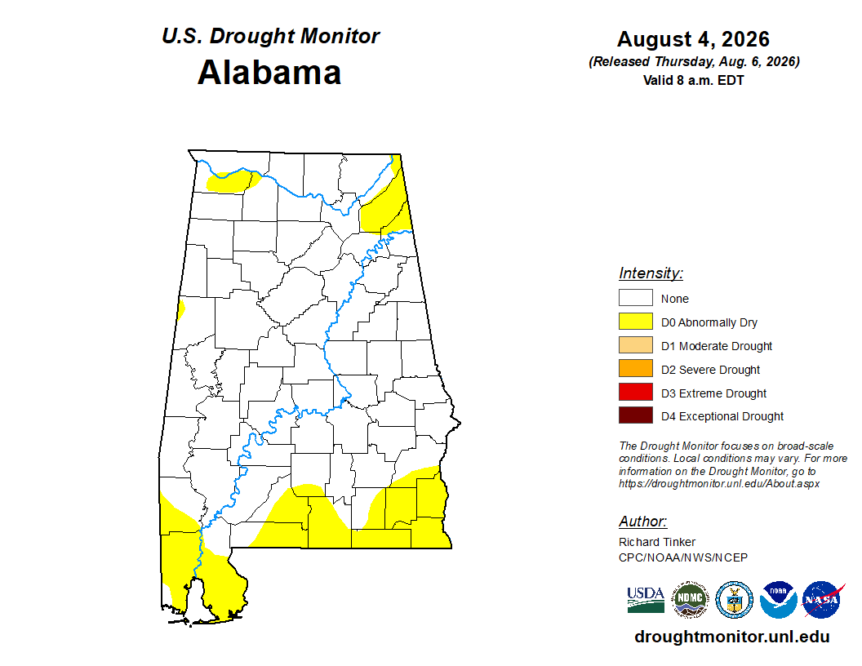
By Clint Thompson What a difference a year makes for one Alabama tomato producer. Chad Smith, who grows tomatoes in St. Clair County in the central part of the state, is preparing this year’s crop amid unusually dry conditions. It has created a challenging environment to plant tomato plants, though it’s still much better than 2025. “Take last year, it …
Insect Pests To Be Mindful of in Georgia
By Clint Thompson The current hot and dry weather conditions are conducive conditions for insect pests to build up population levels. That’s the current case in Georgia. Stormy Sparks, University of Georgia (UGA) Cooperative Extension vegetable entomologist, discussed what insect pests that growers should be mindful of as plants are going into the ground. “With it hot and dry, you’re …
Alabama Extension Specialist Cautions Growers About Potential Insect Concerns
By Clint Thompson The prolonged dry weather conditions in parts of Alabama have been conducive for insect populations to build up. One insect pest is a concern this time of year, especially for tomato growers, explains Paulo Gimenez Cremonez, Auburn Assistant Professor and Extension Specialist. “Right now, we are looking for some thrips,” Cremonez said. “They’re starting to show up …
Specialty Crop Grower Magazine: Freeze Devastates Florida Crops
By Frank Giles and Clint Thompson The freeze that struck Florida in late January and early February brought the coldest air to the state in more than a decade. Freezing temperatures caused significant damage to specialty crops across the state. In many areas, the frigid temperatures held for hours, exacerbated by high winds that thwarted freeze-protection efforts many growers tried …
Florida Tomato Leader Discusses Crop Following Devastating Freeze Event
By Clint Thompson Florida’s tomato industry was one of many crops impacted by the recent freeze events. Preliminary estimates of losses to the tomato industry reported by Ag Commissioner Wilton Simpson were $164.2 million. But it should not take long before the crop rebounds this year, according to Robert Guenther, executive vice president of the Florida Tomato Exchange. “I came …
Sneak Peek: March 2026 Specialty Crop Grower Magazine
In this month’s sneak peek, the March issue of Specialty Crop Grower Magazine highlights the recent deep freeze event in January and February that devastated various fruits and vegetables in Florida. Freezing temperatures caused significant damage to specialty crops across the state. Those crops included citrus, blueberries, strawberries, tomatoes, green beans and watermelons. Florida Ag Commissioner Wilton Simpson announced preliminary …
Estimate Puts Florida Freeze Damage at More Than $3 Billion
As growers surveyed fields and groves after the freeze in late January and early February, it was clear the damage had been catastrophic in many cases. That was confirmed by Florida Commissioner of Agriculture Wilton Simpson with the first estimate of damage released on Feb 20. Florida Department of Agriculture and Consumer Services’ (FDACS) preliminary estimates of losses to Florida …
Cold Weather’s Impact on South Florida Crops
By Clint Thompson South Florida experienced a freeze/ice storm the region hasn’t seen in about 15 to 16 years, according to one industry expert. Gene McAvoy, a crop consultant, talked about the Feb. 1 storm that impacted multiple crops, including watermelons, sweet corn and tomatoes. “If (watermelons) weren’t covered, they’re gone. A lot of them were young so they can …
FDT Issues Weight Waiver for Ag Commodities
Executive Orders 24-214 and 26-16 have given authority to the Florida Department of Transportation (FDT) to relieve the size and weight restrictions for divisible loads on any vehicles transporting emergency equipment, services, supplies and agricultural food commodities and citrus in excess of the normal restrictions on weight, height, length and width restrictions for such vehicles. The following commodities and citrus …