









By Clint Thompson A sound weed management program early in the season is essential for snap bean producers. Ramdas Kanissery, weed scientist and assistant professor at the University of Florida Institute of Food and Agricultural Sciences Southwest Florida Research and Education Center, highlights the importance and impact that weed suppression can have on bean production. “I would say when it …
Asian Bean Thrip: What to Know for Snap Bean Growers
By Clint Thompson The emergence of the Asian bean thrip (ABT) is an added concern for specialty crop producers in the South Florida. While there are effective insecticides available, snap bean growers should still be wary of ABT, says Hugh Smith, an associate professor of entomology and nematology at the UF/IFAS Gulf Coast Research and Education Center. “Asian bean thrips …
Florida Snap Bean Conference Postponed
The Florida Snap Bean Conference, scheduled for Tuesday, Jan. 11, has been postponed due to the coronavirus pandemic and strict Palm Beach County regulations. University of Florida Institute of Food and Agricultural Sciences (UF/IFAS) announced the conference will be rescheduled towards the end of the growing season to provide updates on this year’s research trials. UF/IFAS hopes to schedule a …
Snap Bean Update: Imports on the Rise
It is the peak season for snap beans in the U.S. Two Southeastern states continue to lead the country in domestic production. According to USDA Economic Research Service, the 2017 Census of Agriculture reported Florida, Georgia, Tennessee, California and Texas as the leading fresh-market snap bean states. Florida is the primary domestic supplier from November to April, with additional volume …
Anthracnose Identified on Lima Bean in the Pee Dee Region of South Carolina
Anthracnose disease has been reported on lima bean in the Pee Dee region of South Carolina, according to The South Carolina Grower. Persistent rainfall in the area helped spread the disease throughout the field. The lima bean anthracnose fungus, Colletotrichum truncatum, produces typical Colletotrichum spores in round gooey masses with black hairs. This gives the spore masses a black color. …
Rising Temperatures Bad for Butterbeans in South Carolina
By Karla Arboleda In South Carolina, Clemson University researchers are working toward heat-tolerant butterbeans to preserve this staple crop. Tony Melton, an Extension agent at the Clemson Pee Dee Research and Extension Center, said rising temperatures have contributed to why butterbean production has been falling short in South Carolina. “When it’s hot, and as summers are getting hotter, (butterbean plants) …
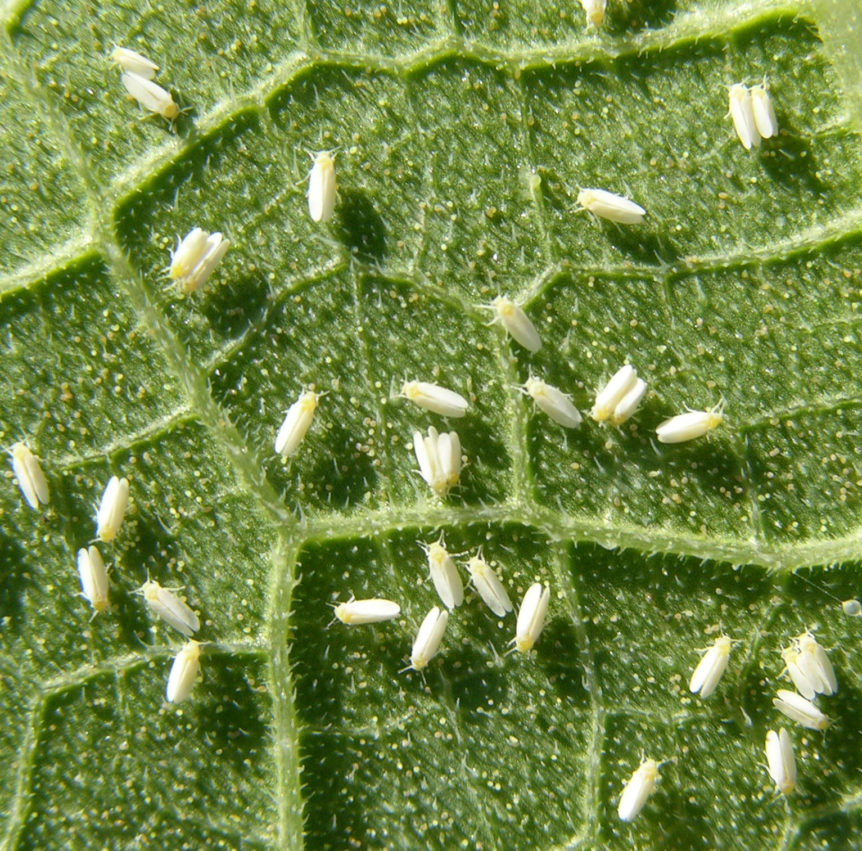
South Florida Pest and Disease Hotline: Whitefly Infestations Vary Across Region
Whitefly infestations vary among vegetable fields in southern Florida, according to the South Florida Pest and Disease Hotline. Scouting reports show low populations of whitefly adults on tomatoes in central Florida. Low to moderate populations are reported in cucumber, and moderate populations are observed in early fall melons. In Southwest Florida, the recent rainfall has helped to lower whitefly populations. …

North Florida Braces for Another Hurricane
By Clint Thompson North Florida specialty crop producers are bracing for yet another hurricane. Just a couple of weeks removed from Hurricane Helene moving through the region, farmers in the area prepared for Hurricane Milton, expected to make landfall late Wednesday or early Thursday. “You do get weary after these multiple storm events. When you take the three hurricanes in …
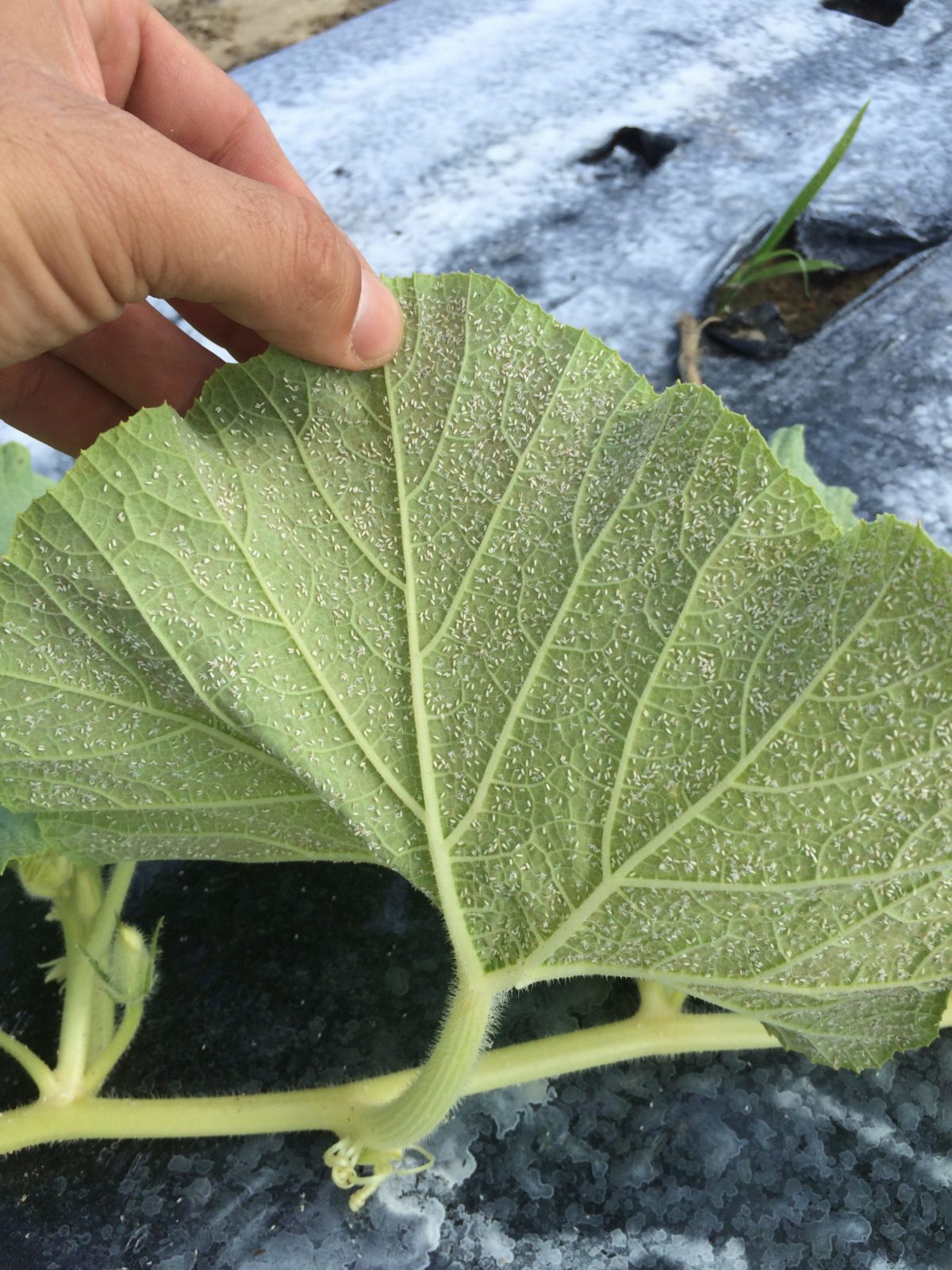
Whitefly Roundup: Hot and Dry Conditions Could Lead to Heavy Buildup
By Clint Thompson The environmental conditions are ripe for whitefly buildup in the Southeast. They’ll continue to be if excessive rainfall remains absent for prolonged periods of time, believes Stormy Sparks, University of Georgia (UGA) Extension vegetable entomologist. “It depends on what happens with the weather, if we go hot and dry. We started building considerably recently. If it goes …
Hot and Dry: Weather Conditions Favorable for Buildup of Whiteflies, Spider Mites
By Clint Thompson The current hot and dry weather conditions have one University of Georgia (UGA) entomologist concerned that whitefly and spider mite pressure will soon intensify in vegetable crops. Stormy Sparks, UGA Cooperative Extension vegetable entomologist, talked about both insects during a vegetable training with Extension agents last week. “Right now, we’re worried about whiteflies building up. They’re very, …