









By Clint Thompson A more active housing market equates to improved business for the nursery and greenhouse industry. It was especially evident during the past year. Wendiam Sawadgo, Auburn University assistant professor and Extension economist, shared those thoughts during the latest Alabama Extension Commercial Horticulture Webinar Series. “I think we saw a sharp dip starting around March of 2020. We …
Asian Bean Thrips Population Down Compared to Last Year
Good news for South Florida vegetable producers, Asian bean thrips (ABT) populations are less widespread than last year and are only being reported at moderate levels in some locations. According to University of Florida Institute of Food and Agricultural Sciences (UF/IFAS), Asian Bean Thrips are only being observed at 0.4 to 0.6 per bloom in a limited number of fields. …
Pecan Producers: Monitor for ‘Active’ Ambrosia Beetles
By Clint Thompson Southeast pecan producers need to protect their crop against ambrosia beetles, which are active right now. According to the University of Georgia (UGA) Extension pecan blog, growers who have had problems with the pest in the past or who have newly planted trees need to apply sprays of a pyrethroid like Bifenthrin. “Due to the number of …
USDA Specialty Crop Block Grant Program Applications Being Accepted
The Alabama Department of Agriculture and Industries (ADAI) is accepting grant applications for projects that enhance the competitiveness of specialty crops in foreign and domestic markets. The application deadline for these specialty crop block grants through the U.S. Department of Agriculture (USDA) is April 12, 2022, 5 p.m. CST. Specialty crops are defined by USDA as fruits and vegetables, dried …
Dry Conditions Worsen in Southeast Region
By Clint Thompson The abnormally dry conditions are sweltering across much of the Southeast, according to Thursday’s release of the U.S. Drought Monitor. Most of Florida is either abnormally dry or moderately dry. The conditions are worse in the north-central part of Florida, in Jefferson, Madison and Hamilton counties and extending southward to Pinellas, Pasco and Hillsborough counties. In Georgia, …
Caterpillar Pressure Varies Across South Florida
Caterpillar pressure varies among crops and regions in South Florida, according to the most recent South Florida Pest and Disease Hotline. Respondents in the Everglades Agricultural Area report most worm pressure on sweet corn is low, but lesser corn stalk borers are moderate in some sandy areas. Caterpillar pressure is low around the southwest Florida area, though there appears to …
‘Exciting’ Year for UF/IFAS Mango Research
By Clint Thompson It is expected to be an “exciting year” for mango research at the University of Florida Institute of Food and Agricultural Sciences (UF/IFAS) Tropical Research and Education Center in Homestead, Florida. That is the mindset of Alan Chambers, an assistant professor, who discussed the future of the industry. “We are going to be doing some very exciting …
No More Satsumas: The Time Is Ripe to Diversify
South Georgia and North Florida industry leaders preached diversification to citrus growers at the Georgia Citrus Association annual conference. The event took place Feb. 28 at the University of Georgia (UGA) Tifton Conference Center. No longer should satsuma mandarins be the crop of choice for potential growers. There are other viable options for farmers to choose from, said Lindy Savelle, …
Grafting in Tomato: A Practical Tool for Root-Knot Nematode Control
By Abolfazl Hajihassani Control of root-knot nematodes (Meloidogyne spp.) is a severe challenge for growers because the pests have abroad host range and can survive in the soil for several years. This makes crop rotation impractical and inefficient for nematode management. Other major management options for root-knot nematodes in tomato include chemical controls using fumigant and non-fumigant nematicides and resistant varieties/rootstocks. …
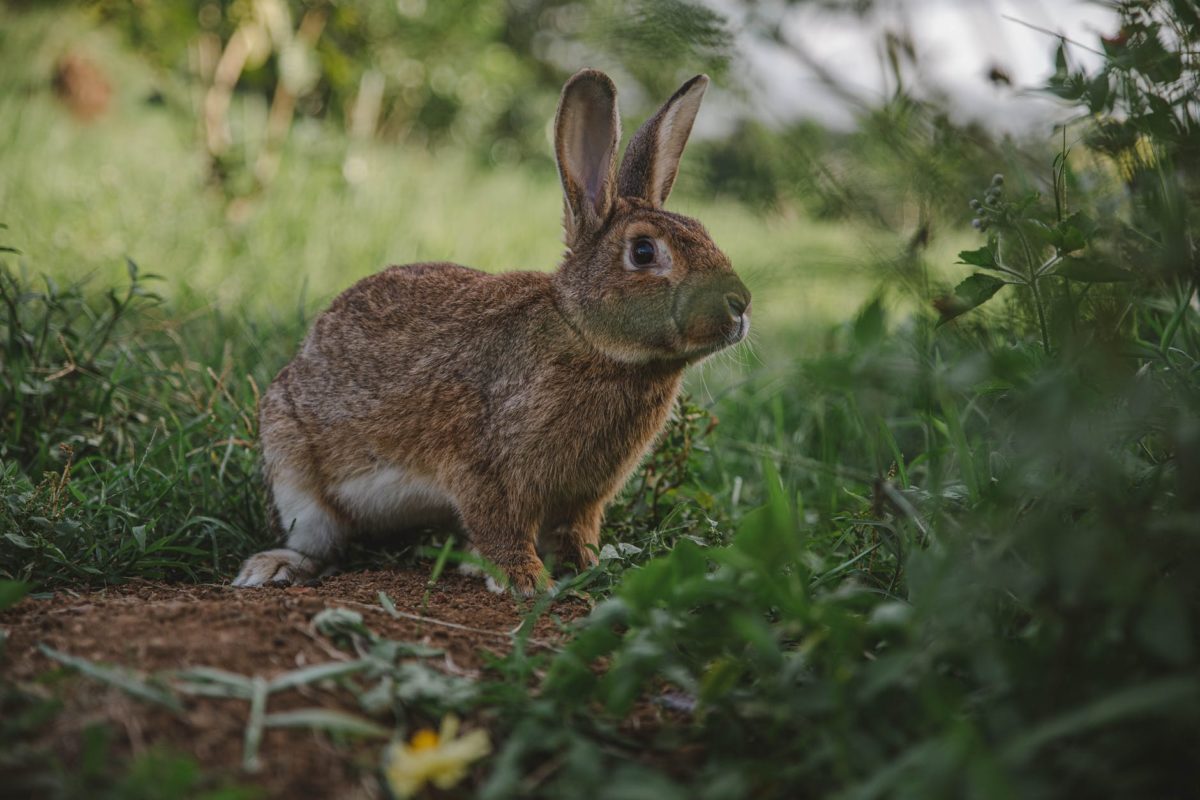
Rabbit Management: Conserve Habitat for Predators
By Clint Thompson Management of a South Florida pest starts with conserving the habitat for its predators. That’s what sugarcane and vegetable producers need to keep in mind when managing rabbit wildlife. “I’m going to quote a gentleman who heard about our (rabbit) workshop. He’s a producer in the western United States, and he said they had similar problems out …