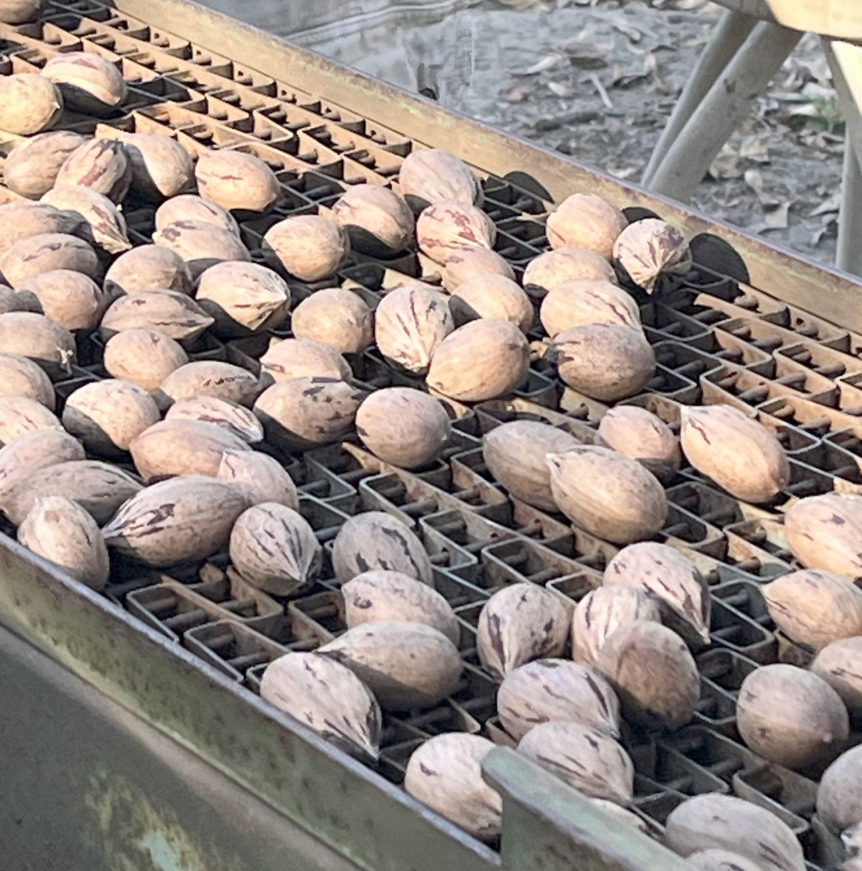
By Clint Thompson Ambrosia beetle control this time of year is crucial for pecan producers in Georgia and Alabama. Young trees are most susceptible, as are those that are growing under stressed conditions. Apurba Barman, an assistant professor of entomology at the University of Georgia Tifton Campus, is highlighting the insect’s management during the county winter meetings. “We started to …
Necessary Evil: Tariffs Help Protect From Overdependence on Foreign Food Supply
By Clint Thompson The threat and subsequent implementation of tariffs on China, Canada and Mexico by the Trump Administration triggered hard feelings and retaliatory tariffs. But it’s a necessary evil so support can be rallied for American businesses, including specialty crop farmers in Florida and Georgia. Chris Butts, executive vice president of the Georgia Fruit and Vegetable Growers Association (GFVGA), …
Cutting Back: Cost Reductions Required for Pecan Producers
By Clint Thompson The main theme of University of Georgia Extension pecan meetings this winter is informing growers how to cut costs. It may be through variety selection or reducing irrigation and fertilizer inputs. Georgia growers need to reduce expenses if they are going to remain sustainable, says Lenny Wells, University of Georgia Extension pecan specialist. “I think we’ve got …
Now Is the Time to Knock Back Psyllid Populations
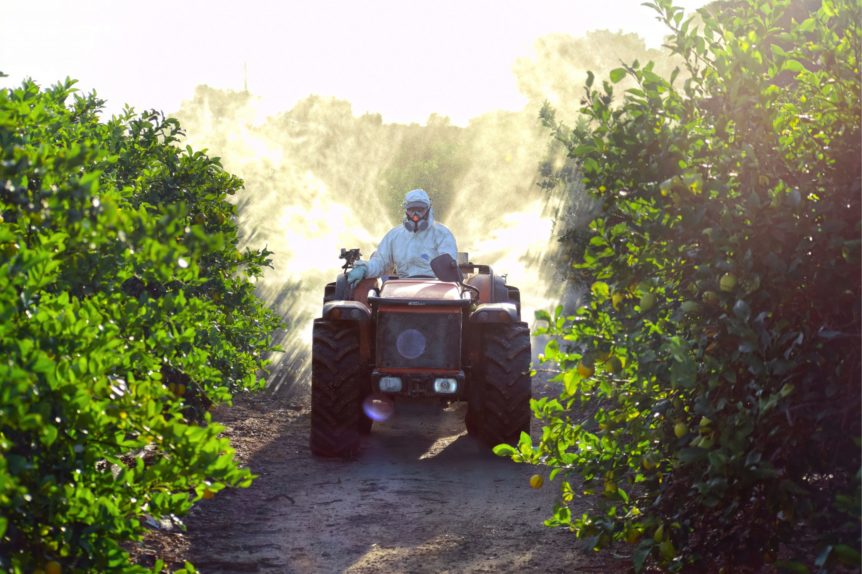
Now is the time for Florida citrus growers to implement management tactics to control the Asian citrus psyllid (ACP), the insect that vectors citrus greening, also known as huanglongbing (HLB). ACPs are currently in low populations across Florida’s citrus-producing region. That means growers should act now to protect their crop from the insect’s impact, says Chris Oswalt, University of Florida …
So Far So Good: California Strawberry Nurseries Not Yet Impacted by Neopestalotiopsis
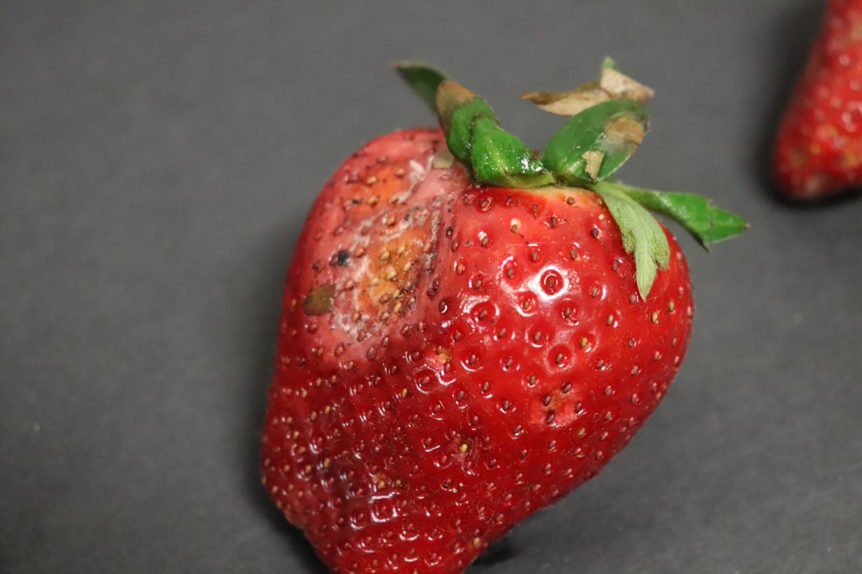
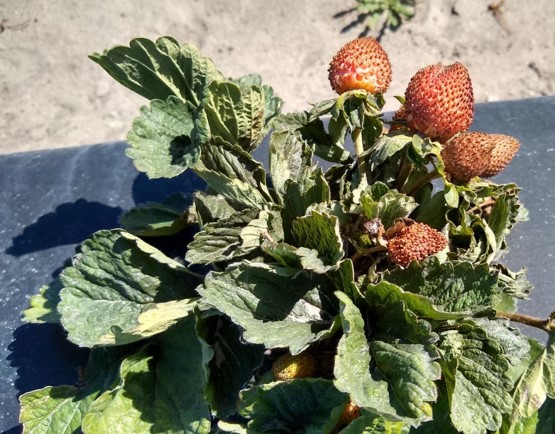
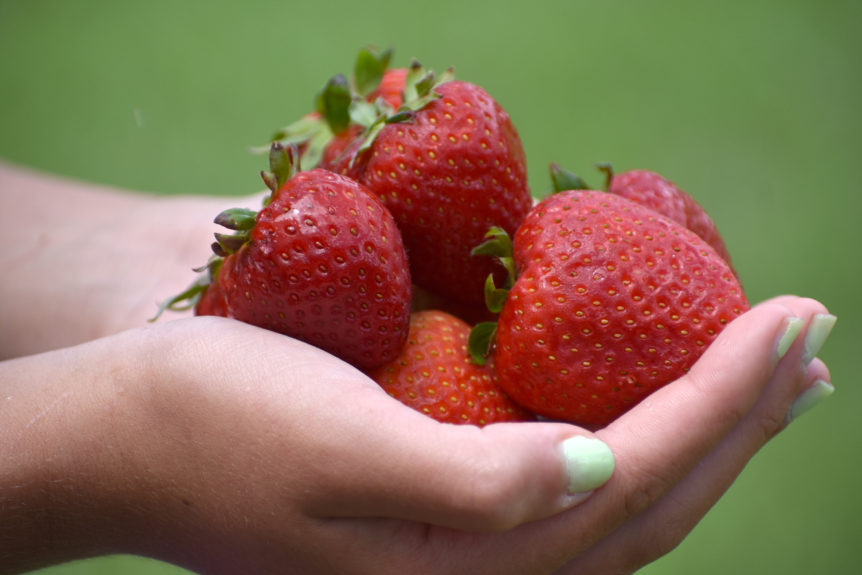
By Clint Thompson California strawberry nurseries have been unaffected by Neopestalotiopsis (neo) disease impacting plants. Phil Brannen, University of Georgia Cooperative Extension fruit disease specialist, hopes it remains that way. “Out of an abundance of ignorance, I would say, I hope it’s going to be okay. We’ve got to have hope in something,” Brannen said. Especially following this season’s outbreak …
Two UF/IFAS-Bred Strawberries Better at Resisting Chilli Thrips
Chilli thrips plague farmers worldwide, but new research from the University of Florida Institute of Food and Agricultural Sciences (UF/IFAS) has found two strawberry varieties that show less harm from these pests. The finding comes through research funded in part by the U.S. Department of Agriculture National Institute of Food and Agriculture Hatch program. That’s encouraging news for growers in …
Delayed Start to Harvest Season for Florida Blueberry Growers
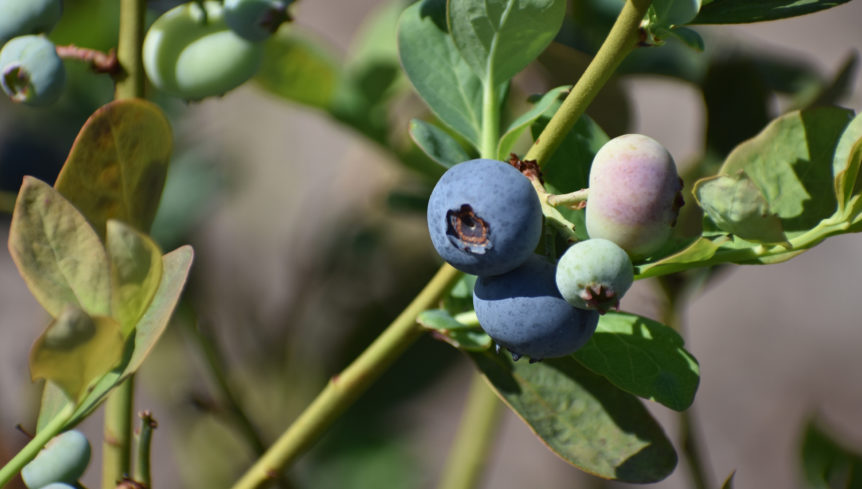
By Clint Thompson Florida blueberry growers are on the cusp of harvesting this year’s crop. In fact, some have already started to do so, says Doug Phillips, University of Florida Institute of Food and Agricultural Sciences (UF/IFAS) blueberry Extension coordinator. He discussed this year’s harvest season which is starting later than normal. “It depends on the portion of the state …
Specialty Crop Grower Magazine: Southeast Regional Covers Wide Range of Topics
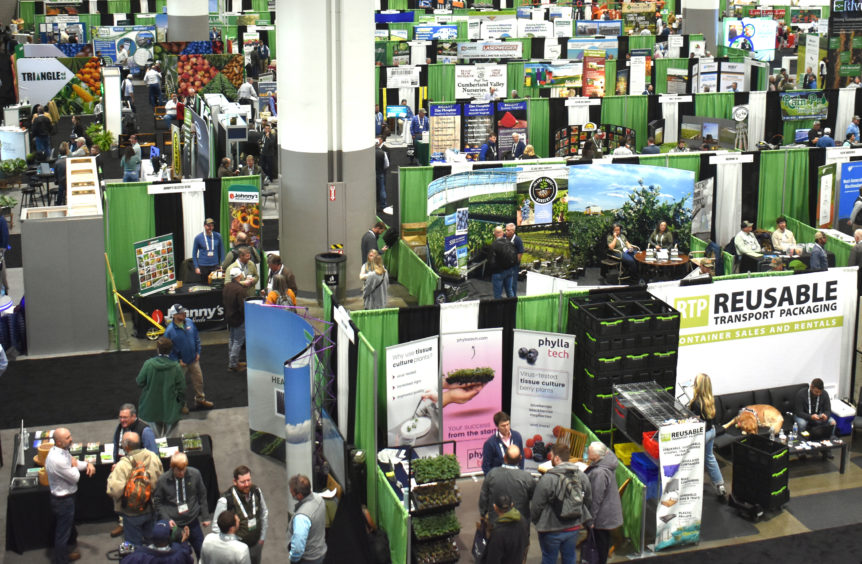
By Clint Thompson and Frank Giles Specialty crop growers gathered in Savannah in January for the annual Southeast Regional Fruit and Vegetable Conference. Concurrent seminars allowed growers to choose their educational topics. Here are a few highlights from the educational program. New Pesticide Regulations Stanley Culpepper, University of Georgia (UGA) Extension weed scientist, believes 2025 will be a pivotal year …
Spider Mite Control Key for Strawberry Growers Managing Neopestalotiopsis Disease
By Clint Thompson Southeast strawberry producers must be wary that spider mites could make the neopestalotiopsis disease problem worse, says Phil Brannen, University of Georgia Cooperative Extension fruit disease specialist. “I think growers need to be looking for spider mites more aggressively, scouting and definitely you need to be aware of that. They could exacerbate or increase the problem,” Brannen …
Cold-Hardy Growers Eyeing Juice Market
A low volume of fruit in the cold-hardy citrus region is being produced for the juice market. With the current market prices for juiced citrus, that number could increase in the near future. This topic was discussed during the recent Georgia Citrus Association annual meeting in Tifton. “With the prices today, there is a future for it,” said grower Kim …