









Hurricane Idalia made landfall the morning of Aug. 30 near Keaton Beach, Florida, but the Category 3 storm’s northeastern route brought rain and high winds to coastal regions along the western peninsula and inland agricultural counties. The University of Florida Institute of Food and Agricultural Sciences (UF/IFAS) Economic Impact Analysis Program (EIAP) uses surveys after natural disasters, seeking information on …
Florida Citrus Growers Vote to Amend Federal Marketing Order
Florida citrus producers voted to amend the federal marketing order regulating the handling of oranges, grapefruit, tangerines and pummelos grown in Florida, the U.S. Department of Agriculture (USDA) announced on Aug. 29. In a referendum held April 1–May1, all amendments met the requirement of being favored by two-thirds of the producers voting or by two-thirds of the volume represented. The …
Florida Growers Get Update on Federal Relief Programs
Matt Joyner, executive vice president and chief executive officer of Florida Citrus Mutual (FCM), reported that a group of Florida citrus growers spoke to U.S. Department of Agriculture (USDA) Farm Service Agency representatives about federal relief programs at the recent Citrus & Specialty Crop Expo. The Expo was held this year at the Florida State Fairgrounds in Tampa. “This year’s Expo …
Hurricane Idalia’s Possible Impact on Florida Strawberry Growers
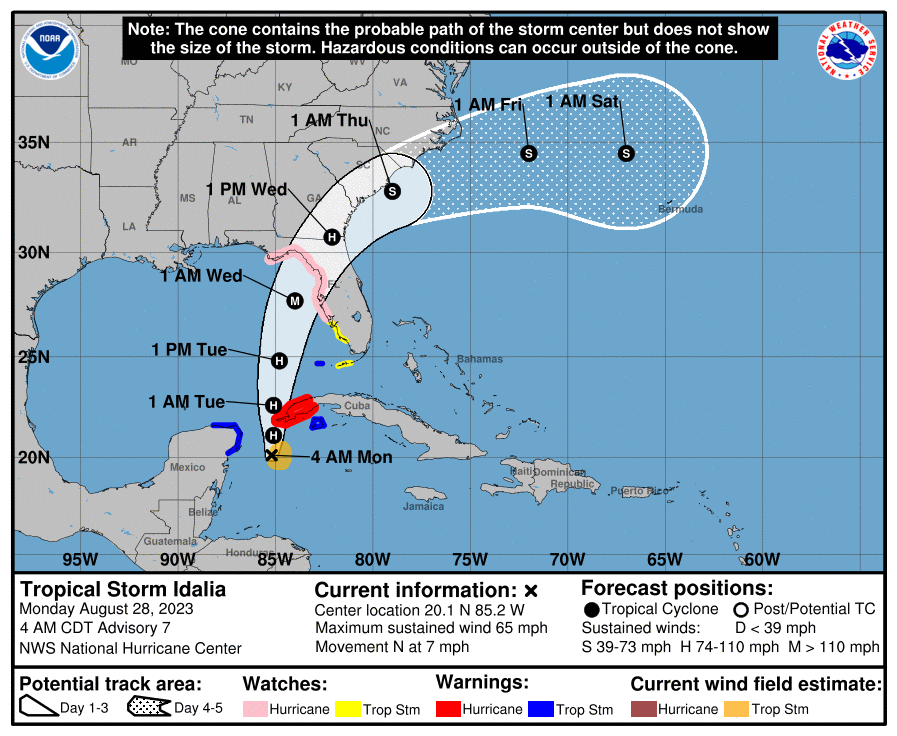
By Clint Thompson The storm known as Idalia will become a hurricane by the time it makes landfall in Florida this week. That’s not good news for the region’s strawberry growers already preparing for the upcoming season. Producers are already laying plastic with expectations of planting their crop in September. A storm, with potential to reach Category 3 status, could …
Idalia Could Impact Florida Strawberry Growers
By Clint Thompson The storm known as Idalia will become a hurricane by the time it makes landfall in Florida this week. That’s not good news for the region’s strawberry growers already preparing for the upcoming season. Producers are already laying plastic with expectations of planting their crop in September. A storm, with potential to reach Category 3 status, could …
Citrus & Specialty Crop Expo Brings Growers Together in Tampa
By Clint Thompson AgNet Media celebrated a terrific conclusion to this year’s Citrus and Specialty Crop Expo event held in Tampa, Florida. The annual two-day event concluded on Thursday with another morning devoted to seminar sessions; one each for citrus and specialty crop growers. The tradeshow was also a featured part of the day as attendees greeted exhibitors and mingled …
GFVGA Advises Growers to Be Prepared for New Heat Stress Regulations
The Georgia Fruit and Vegetable Growers Association (GFVGA) is encouraging its growers to be prepared for new heat regulations administered by the Biden Administration and OSHA. “OSHA has not yet released complete heat standards, but now is the time to get prepared,” GFVGA said in an email to its members. Producers can download the heat stress awareness poster and hang …
Upon Further Review: Grafting Tomato Plants Benefits Growers Long Term
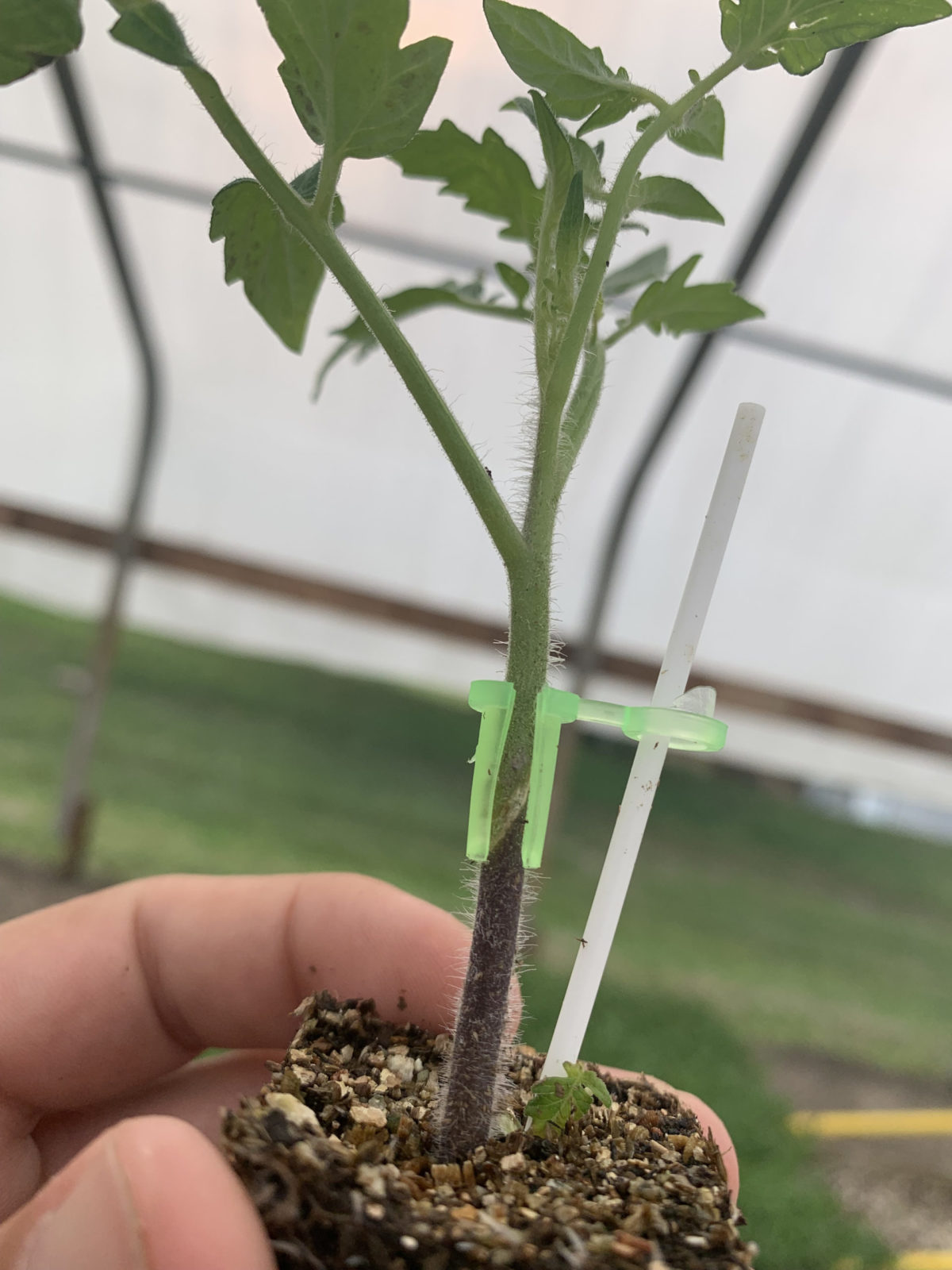
By Clint Thompson Grafting tomato plants may be an expensive venture for commercial growers, but they will be the ones laughing at the end, capitalizing with fruit when supply is limited. Jacob Kelley, Alabama regional Extension agent, encourages his producers to adopt the practice to help overcome diseases that are prevalent in South Alabama. “A lot of these diseases and …
Strawberry Growers Can Be More Efficient When Managing Chilli Thrips
By Clint Thompson University of Florida Institute of Food and Agricultural Sciences (UF/IFAS) research into chilli thrips provides a more accurate way for strawberry growers to manage this annual problem. Producers can now be more efficient in controlling thrips populations. Sriyanka Lahiri, University of Florida Institute of Food and Agricultural Sciences (UF/IFAS) assistant professor of entomology and nematology at the …
Survey Says: Growers to Use Cover Crops Even If Not Incentivized
Cash incentives have spurred some growers to implement cover crops as part of their farming operations. But a recent survey has shown, after those incentives from cash or crop insurance discounts go away, producers are prone to stick with the process. In a U.S. Department of Agriculture interview, Rob Myers, director of the MU Center for Regenerative Agriculture at the …