









By Ashley Robinson The use of drones in production agriculture has become more prevalent in recent years as larger commercial models have become accessible. As these products become more popular, it’s important to remember that using an unmanned aircraft system (UAS), or drone, comes with a strict set of rules and regulations created and governed by the Federal Aviation Administration (FAA). …
Blueberry Emoji Coming Soon
USHBC will provide industry resources to support the emoji’s official release later in 2020. (USHBC) — A blueberry emoji is coming in 2020, and the U.S. Highbush Blueberry Council (USHBC) is celebrating this exciting milestone. The blueberry emoji news joins two recent announcements – Classic Blueberry as Flavor of the Year and Classic Blue as Color of the Year – that add up to …
Trade Deals Could Mean Brighter Days for Farmers
By Clint Thompson Jeffrey Dorfman, Georgia’s state fiscal economist and professor in the University of Georgia (UGA) Department of Agricultural and Applied Economics, believes agriculture is currently in an “OK place” amid low commodity prices. Speaking at the UGA College of Agricultural and Environmental Sciences Ag Forecast meeting at the Tifton Campus Conference Center on Jan. 31, Dorfman highlighted recent …
Blueberry Advisory System: Tool for Timing Anthracnose Fruit Rot Control
By Doug Phillips The Blueberry Advisory System (BAS) is a weather-based alert system that signals Florida blueberry growers when environmental conditions are favorable for the development of anthracnose fruit rot (AFR). A new, updated version of the BAS was released on Jan. 31, available at http://agroclimate.org/tools/bas/. The data for AFR risk models is collected from the Florida Automated Weather Network, which has weather stations throughout the state. The risk for AFR …
Rising to the Challenges of Florida Farming
Problem-solving skills and a thirst for knowledge allow Chuck Obern to run a thriving vegetable farm. By Kendal Norris To be successful in farming requires a good deal of stamina, flexibility and determination, along with a love of the art of growing things. Charles “Chuck” Obern, owner of C&B Farms, Inc., embodies all these qualities. He is also curious, with …
Soil Health Matters! A Tale of 2 Florida Citrus Groves
A look at different approaches that have brought orange plantings back from the brink.
Update on Georgia Hemp Production
By Clint Thompson Georgia Agriculture Commissioner Gary Black said at the Southeast Regional Fruit and Vegetable Conference that hemp production in his state remains on hold, pending approval from the U.S. Department of Agriculture (USDA). The Georgia Department of Agriculture (GDA) developed a Georgia Hemp Plan (http://agr.georgia.gov/hemp/Georgia-Hemp-Plan.pdf) to regulate production in Georgia and has sent it to the USDA. “We’re …
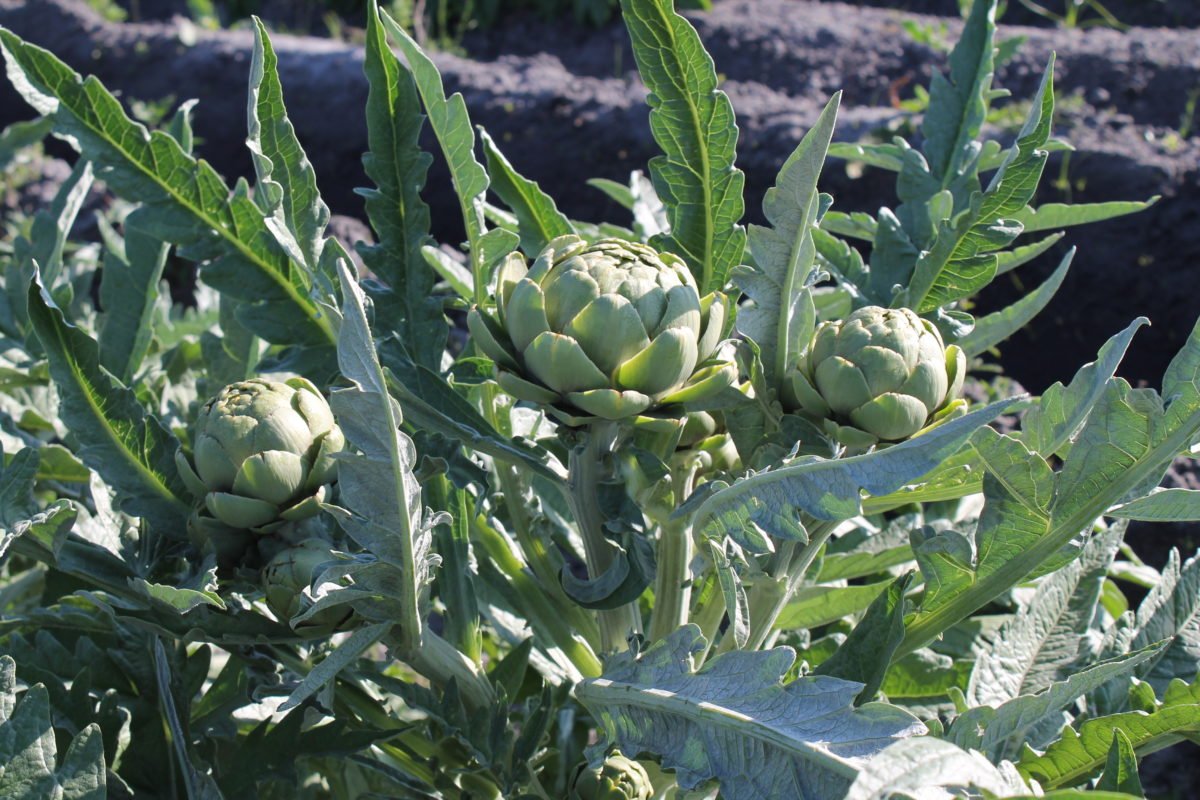
Research Underway for Florida Artichoke Production
By Ashley Robinson Despite California producing 99 percent of commercially grown artichokes in the United States, researchers at the University of Florida are hoping to profitably produce the antioxidant-rich superfood in the Sunshine State. Artichokes flourish in a cool environment and generally require 250 to 500 cumulative hours below 50 degrees for bud formation. Therefore, bud formation must be artificially …
Protect Against Whiteflies by Destroying Plants After Harvest
By Clint Thompson University of Georgia Cooperative Extension vegetable entomologist Stormy Sparks says cole crop growers need to destroy their plants once they’re done harvesting this winter. Cole crops, such as cabbage, serve as hosts for whiteflies. Therefore, the crops must to be destroyed once harvest season concludes in order to prevent the risk of a whitefly infestation. “If you’ve …
Nutsedge Control in Blueberries
By Peter Dittmar All weeds are problematic in blueberry production because they compete for water and nutrients, hinder harvest crews and decrease yields. One of the most problematic weeds in blueberry is nutsedge (Figure 1). The two species of perennial nutsedge in Florida are yellow (Cyperus esculentus) and purple nutsedge (C. rotundus). These weeds are difficult to control because of …