









It comes as no surprise to farmers that input prices have increased in recent years. What may be eye-opening is how much expenses like fertilizer costs and gas prices are expected to go up this year. According to the USDA Vegetable and Pulses Outlook: April 2021, growers should expect to pay for most of the inputs required to produce, pack …
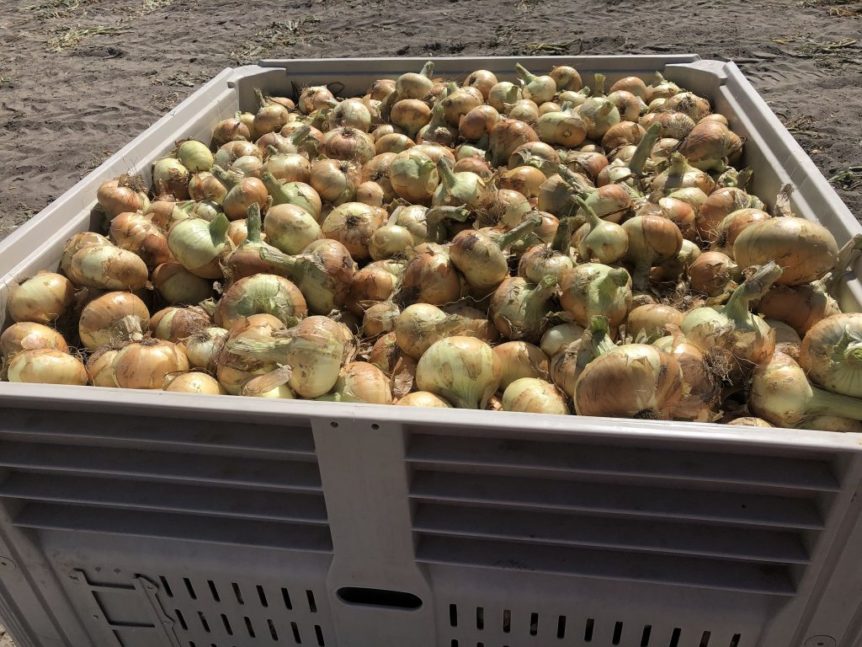
Under Review: UGA Studying Direct Seed Planted Vidalia Onions
By Clint Thompson The transplant production system in the Vidalia onion industry is a management practice implemented by most growers in Southeast Georgia. Growers plant seed in high density beds, grow them for 8 to 9 weeks, then pull the young plants by hand and transplant them into fields. But is there the potential for direct seeded planting? It is a …

Agricultural Awareness: Financial, Environmental Factors Contributing to Farming’s Stress
By Clint Thompson Stress is synonymous with farming these days. Increased costs have amplified those concerns for producers, whether they are in row crop production or are producing fruits and vegetables. Diesel prices are averaging $5.35 per gallon. Fertilizer prices remain high, as are chemical costs. The spike in input expenses are worsened since market prices have not improved for …
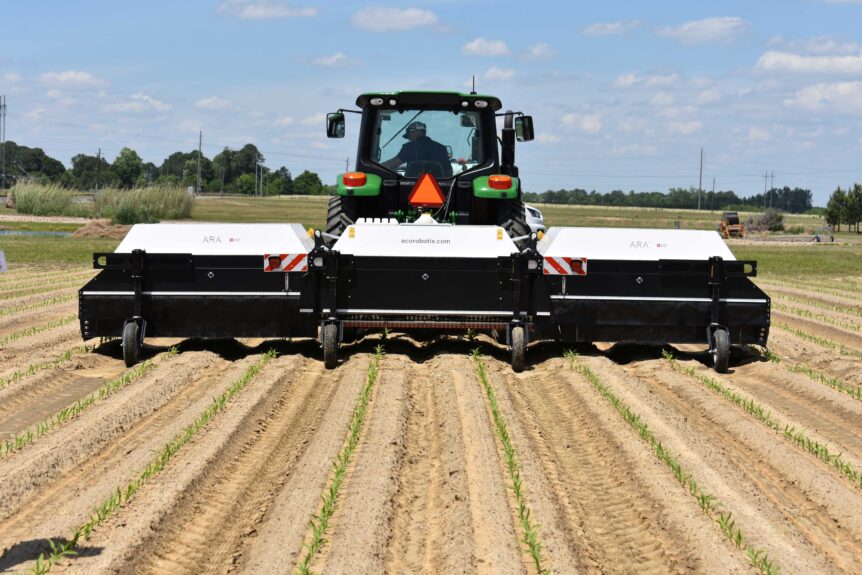
Specialty Crop Grower Magazine: Technology Conference Takes Glimpse Into the Future
By Clint Thompson Artificial intelligence (AI) continues to enhance the agricultural landscape. How specialty crop producers farm today may look different from how they farm five years from now. The potential future of specialty crop production in the Southeast was on display during the Southeastern Specialty Crop Technology Conference & Show in Tifton, Georgia, in early May. Ag companies and …

AgNet Interview: USDA FSA Administrator Discusses FBA Program, Specialty Crops
By Clint Thompson and Dale Sandlin The Farmer Bridge Assistance (FBA) program is allotting $12 billion in one time bridge payments to farmers in response to trade market disruptions and increased input expenses that are still impacting producers. While $11 billion will be used to provide relief to row crop farmers, the remaining $1 billion will be used for commodities …
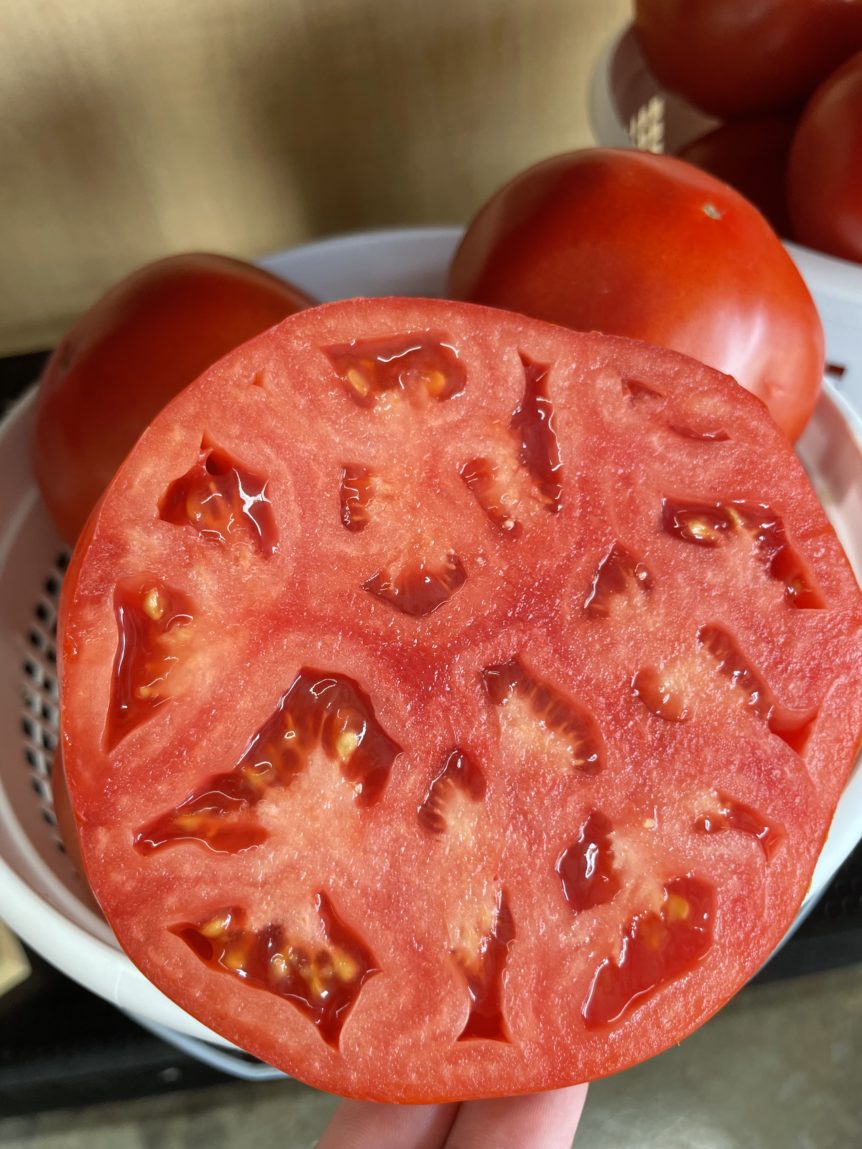
Eyeing More Profits: Alabama Tomato Farmer Modifying Business Operations
By Clint Thompson Low crop prices and high input expenses are forcing specialty crop producers to modify their farming operations. How business is done today is different than it was 20 years ago; maybe even 10 years ago. Alabama tomato grower Destiny Allman Gladden has to be more conscious of the business decisions she makes in hopes of improving her …
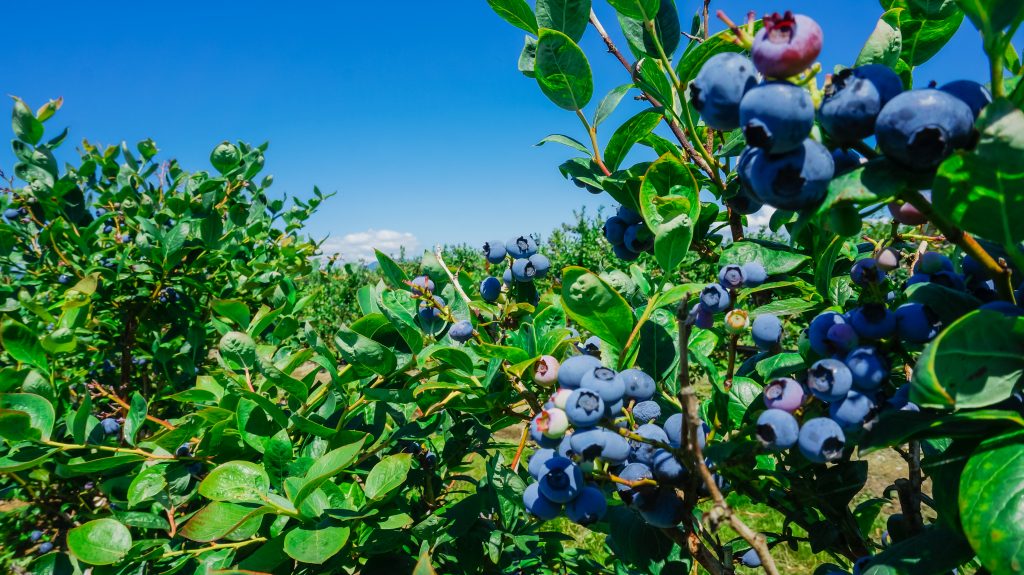
Industry Sustainability: Machine Harvesters Needed for Florida’s Blueberry Future
By Clint Thompson Machine harvesters are a necessity for Florida’s blueberry industry to remain viable heading into the future. Considering the input expenses that accompany blueberry production in the Sunshine State, growers need to reduce their labor needs and rely more on automated harvesters. Ryan Atwood, who lives in Mount Dora, Florida and farms 56 acres of blueberries, manages another …
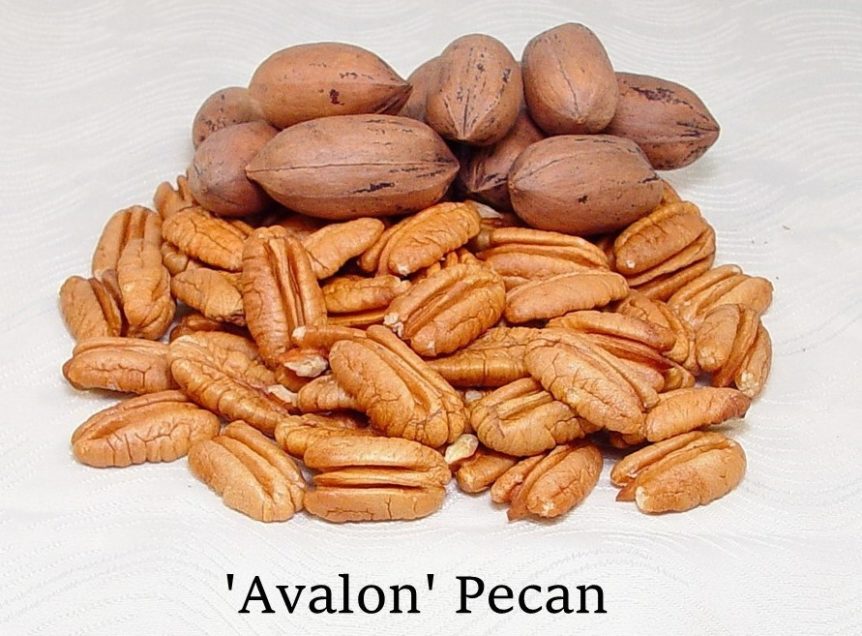
Under the Microscope: Scab Resistance Remains Top Priority for UGA Pecan Breeder
By Clint Thompson One trait remains the focus of the University of Georgia (UGA) pecan breeding program. As UGA pecan breeder Patrick Conner continues to study cultivars of the future, they must possess scab resistance on some level. “It has to have at least good resistance, if not excellent resistance, before we’ll go forward,” Conner said. “Good resistance to me …

UGA School: Reminder About How Costly Pecan Production Can Be
By Clint Thompson The University of Georgia (UGA) Pecan School on Wednesday educated potential producers and served as a reminder to veteran growers about the costly expenses associated with pecan production. Costs for required equipment have risen from $533,000 in 2019 to $873,000 in 2023. Input prices have also increased, while pecan prices floundered to an average of $1.69 per …
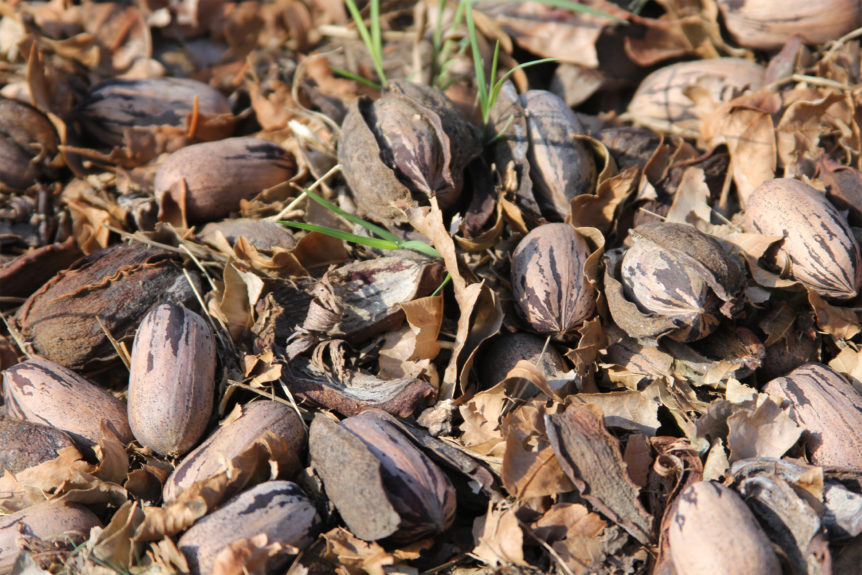
Pecan Producers Contemplating Farming Futures Amid Discouraging Season
By Clint Thompson While input expenses remain high, pecan prices are staggeringly low. That has forced some growers to contemplate their farming future, says Lenny Wells, University of Georgia Extension pecan specialist. “There’s a lot of discouragement out there right now. The costs of production have gone up. The prices have dropped. Even in the face of a short crop, …