









By Clint Thompson The Environmental Protection Agency’s (EPA) decision to stop the use of the pesticide chlorpyrifos on all food will impact Southeast peach producers. Brett Blaauw, University of Georgia assistant professor in the Department of Entomology, discusses the significance for what the decision means moving forward. “It’s been something that’s been expected for a while. Chlorpyrifos has been on …
Georgia Governor: Fruit, Vegetable Industry Continues to Diversity
By Clint Thompson Diversification is a key to Georgia’s success, especially to its fruit and vegetable industry, believes Georgia Gov. Brian Kemp. The Georgia Fruit and Vegetable Growers Association recently celebrated its 25th anniversary where Kemp was in attendance. He spoke about the industry’s potential moving forward. “I think one of things that’s been encouraging to me, and I ran …
Pecan Development Lagging This Year
By Clint Thompson The pecan crop in the Southeast is a little behind in its development this year. Lenny Wells, University of Georgia Cooperative Extension pecan specialist, explains why. “It’s because of the spring that we had. We had a cold winter. Usually when you have a cold winter you have an early bud break or it doesn’t take as …
USDA AMS Revises Standards for Watermelon
The U.S. Department of Agriculture (USDA) Agricultural Marketing Service (AMS) is revising the U.S. Standards for Watermelon to provide a common language for trade. AMS is establishing a total tolerance for anthracnose and decay in the U.S. No. 1 and U.S. No. 2 grades; adjusting the range of average weight from 20-to-42 to 10-to-34 pounds to align with current marketing …
Stink Bug and Weevil Management in Pecans
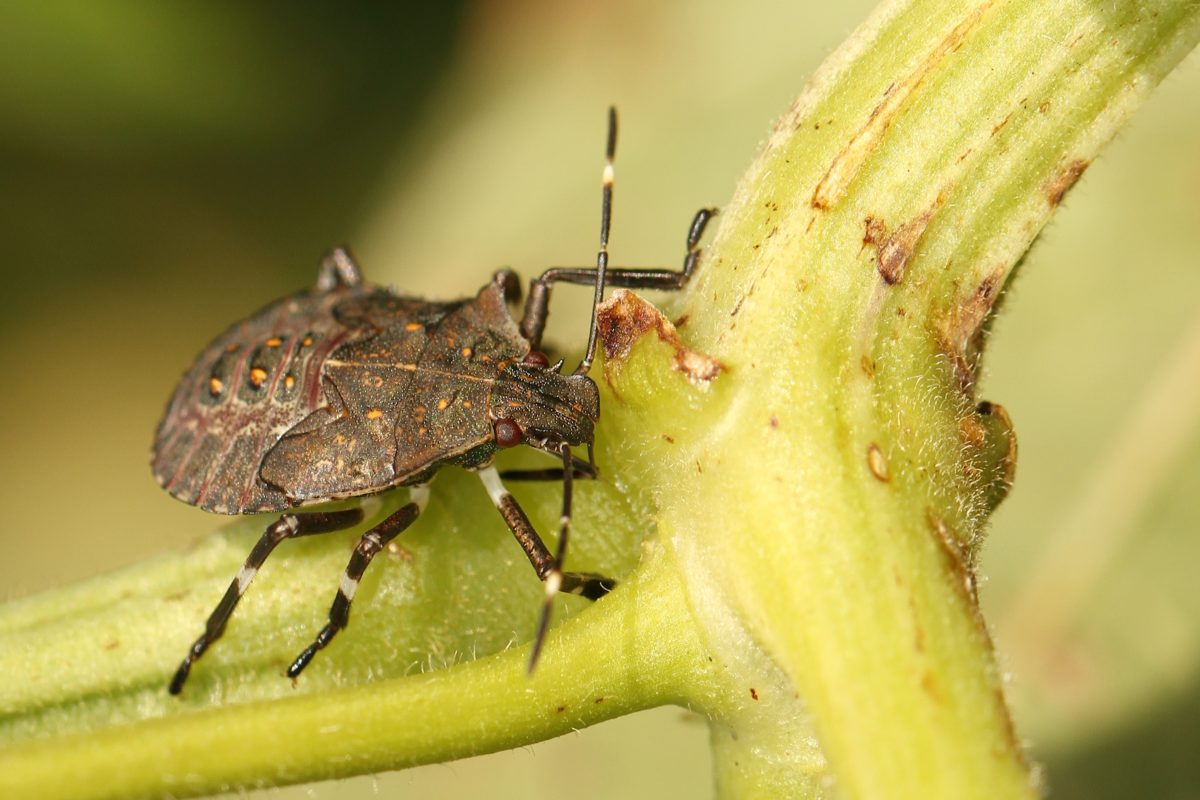
Pecan producers need to start managing stink bugs and weevils in this year’s crop. This is especially important for the crop as its shell hardens. Prior to shell hardening, the pests will knock nuts off the trees or lay eggs. But after shell hardening, these pests will damage the nuts that growers won’t see until harvest, according to University of …
Crop Updates: Clemson Extension Agents Provide Timely Information
Clemson Extension agents provide updates in the The South Carolina Grower this week about the status of various crops being produced throughout the state. Midlands Justin Ballew reports, “Last week was warm and humid again. Some of our sandier fields got dry enough early in the week that crops were wilting in between waterings. We got a bunch of rain …
Southeast Grape Crop Needs Dry Weather
By Clint Thompson A rainy summer in the Southeast only got wetter this week thanks to the tropical system ‘Fred.’ It could have a negative impact on the region’s grape crop, which is at the beginning of harvest, says Phil Brannen, University of Georgia Cooperative Extension Fruit Disease Specialist. According to the University of Georgia Weather Network, Gainesville, Georgia received …
August Cooler than Normal … So Far
According to the Climate and Agriculture in the Southeast blog, Pam Knox, University of Georgia Extension agricultural climatologist, said August is cooler than normal. This is largely due to persistent rains and cloud clover. Minimum temperatures overnight are closer to normal than daytime highs, which are down several degrees in most of the Southeast. Precipitation varies across the Southeast region …
Plant Breeding Remains Key to Fusarium Wilt Management
By Clint Thompson The key to eliminating fusarium wilt disease’s impact on watermelons in the Southeast is developing disease-resistance cultivars, says Nick Dufault, University of Florida/IFAS plant pathologist. “Where we stand is we’re trying to work with breeders and get new lines of resistance out there,” Dufault said. “We’re gaining a new understanding of the pathogen. I think we made …
What’s Happening? Clemson Extension Agents Provide Weekly Updates
Clemson Extension agents provide updates in the The South Carolina Grower this week about the status of various crops being produced throughout the state. Coastal Region Zack Snipes reports, “Its hot and humid in the Lowcountry. Fall tomato and watermelons are in the ground and enjoyed a week of mostly dry weather. Okra and sunchokes, aka Jerusalem artichokes, are loving this …