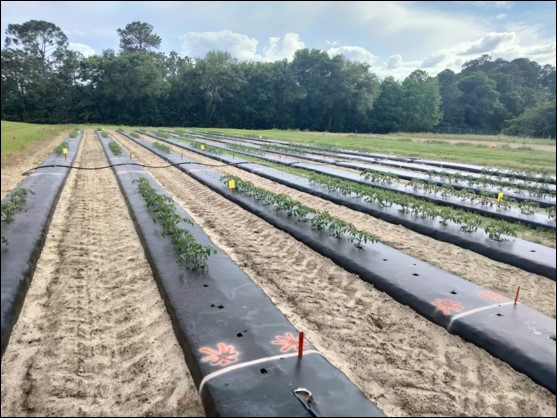








By Clint Thompson Increased rainfall during December and January is placing added pressure on producers trying to prepare for their spring plantings. If conditions stay saturated, growers will be unable to complete time-sensitive tasks, says Ty Torrance, University of Georgia Cooperative Extension vegetable agent for Colquitt, Tift and Worth counties. “I spoke with a couple of different growers (last Wednesday) …
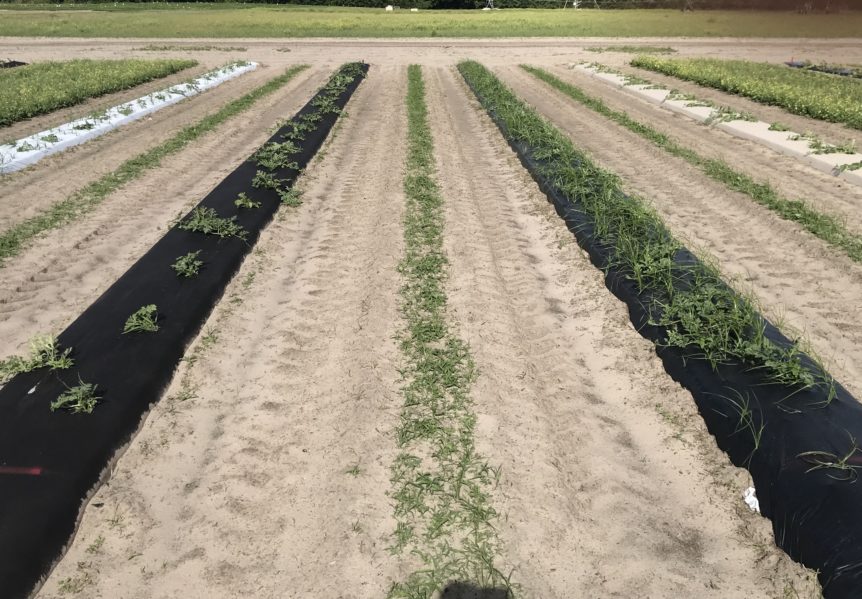
Georgia Ag Forecast Scheduled for Jan. 26
By Clint Thompson Registration is ongoing for the upcoming Georgia Ag Forecast event, scheduled for Friday, Jan. 26 at the University of Georgia Tifton Campus Conference Center in Tifton, Georgia. Growers and industry leaders are invited to come here about the latest research and information from UGA specialists to help agriculture remain the state’s No. 1 industry. Ben Campbell, associate …
Chill Hours Increasing for Peach Producers
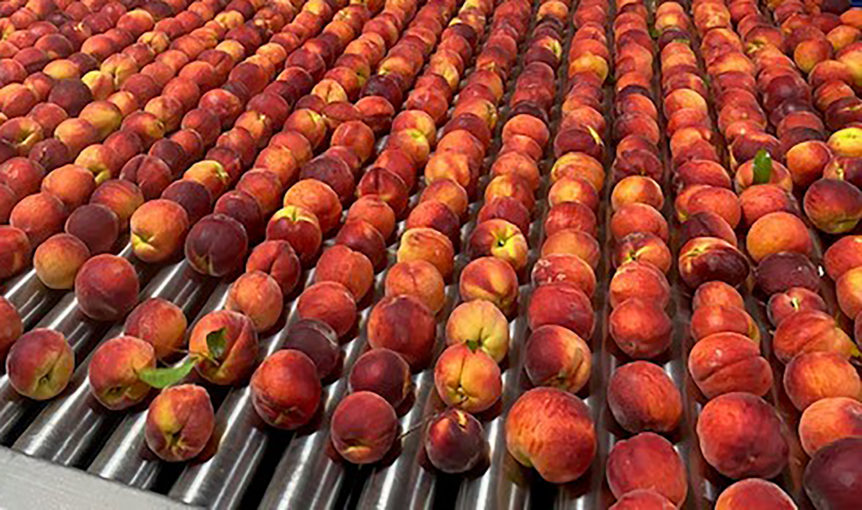
By Clint Thompson Chill hours are looking strong for peach trees in the Southeast. That optimistic outlook should continue over the next month, according to Jeff Cook, University of Georgia Cooperative Extension agriculture and natural resources agent for Peach and Taylor counties. “I looked at chill hours (early December) and especially what’s projected through February, it looks good,” Cook said. …
New Hardiness Zones Favor Citrus Production
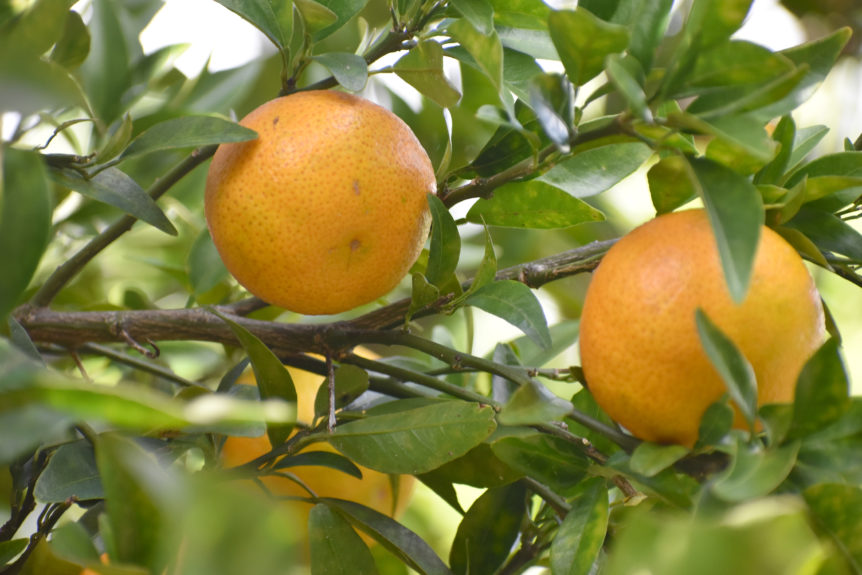
By Clint Thompson Citrus production in the Southeast has spiked due to increased warmer temperatures in recent years. This is reflected in the new U.S. Department of Agriculture Plant Hardiness Zone Map. The updated hardiness zones show a region that is more conducive to growing crops than it has been in prior years. The concern over colder temperatures has dissipated …
Winter Rain Events Helping Pecan Production
By Clint Thompson Rainfall is important this time of year for pecan production in the Southeast. On the heels of another harvest season, trees can use the rain during the winter months – just like what occurred across the region on Tuesday – to sustain high production during the following season. Lenny Wells, University of Georgia Extension pecan specialist, speaks …
Best Practices for Corn Silk Fly Management
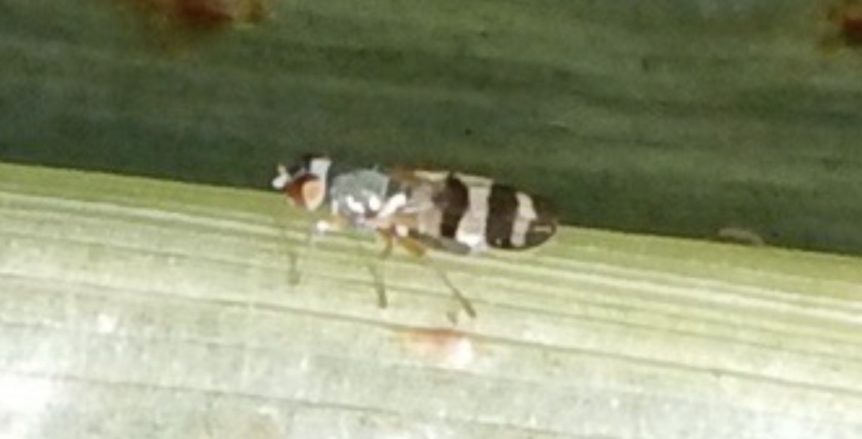
By Julien Beuzelin and Anna Mészáros Maggots feeding on silks, kernels and sometimes the cob of sweet corn ears harvested in Florida represent the greatest insect pest threat to the state’s fresh market sweet corn industry. These maggots are the larvae of three fly species known as corn silk flies. What to Look For Although the maggots of the three …
USDA Announces January 2024 Lending Rates for Agricultural Producers
WASHINGTON – The U.S. Department of Agriculture (USDA) announced loan interest rates for January 2024, which became effective Tuesday, Jan. 2. USDA’s Farm Service Agency (FSA) loans provide important access to capital to help farmers start or expand their farming operation, purchase equipment and storage structures or meet cash flow needs. “I encourage our lenders and borrowers alike to work with our local offices …
Corn Earworm a ‘Ridiculous’ Pest in South Georgia Sweet Corn
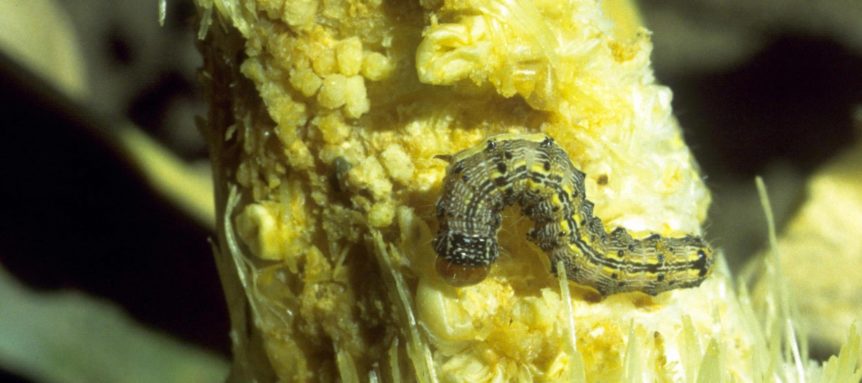
By Frank Giles Georgia is the third-largest fresh market producer of sweet corn in the United States with about 27,000 acres per season. Sweet corn is also the second-most valuable vegetable crop produced in the state. Consumers love sweet corn, but so do corn earworms (CEW), which have become increasingly problematic. With virtually zero tolerance for CEW in fresh sweet …
Active Tropical Season This Summer?
By Clint Thompson Predictions of neutral or La Niña weather conditions from July through September could transition into an active Atlantic tropical season. According to the University of Georgia (UGA) Extension Climate and Agriculture Blog, Pam Knox, UGA Extension agricultural climatologist, said the likelihood of increased storm activity this summer is stronger if the Atlantic Ocean and Gulf of Mexico …
University of Georgia Research: Biochar Helps Improve Soil Profile
By Clint Thompson University of Georgia (UGA) research has shown that biochar applications help vegetable farmers improve their soil’s profile. Ted McAvoy, an assistant professor and vegetable production Extension specialist, has studied biochar’s use on the UGA Tifton Campus. He talked about its impact in vegetable production “Biochar is charcoal essentially. Unlike other organic matter from cover crops and chicken …