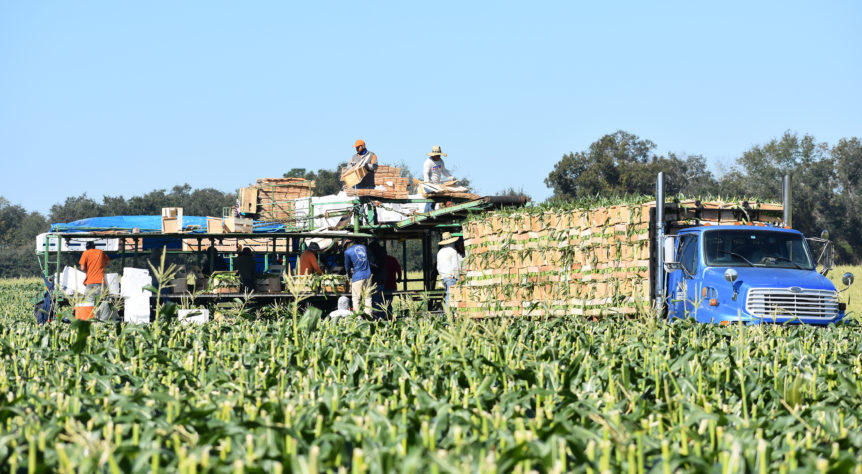
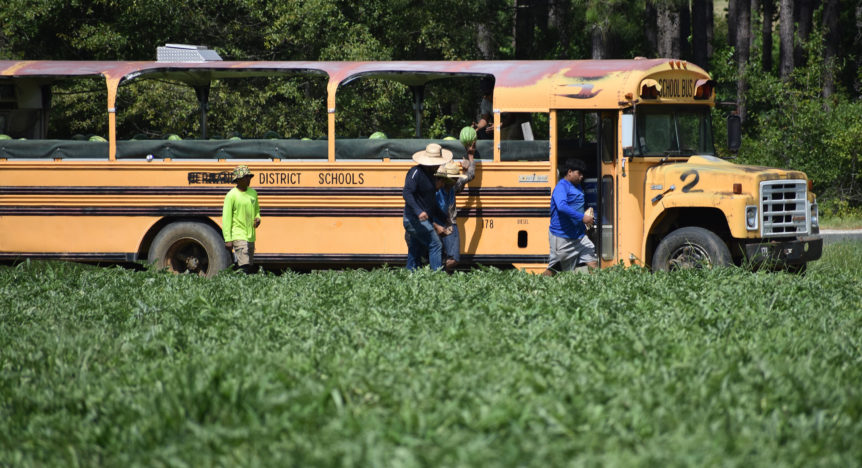
Florida’s new Adverse Effect Wage Rate (AEWR) is $16.23 and will become effective Dec. 30. It marks a 10% increase from the previous year’s rate of $14.77. The AEWR increases are part of the reason, the Florida Fruit and Vegetable Association (FFVA), along with other industry organizations, submitted a letter to U.S. Secretary of Agriculture Tom Vilsack this week. The …

AEWR Increases Renews Pleas for Transparency
By Clint Thompson Next year’s increases of the Adverse Effect Wage Rate (AEWR) is further evidence transparency is needed from the Department of Labor about how it justifies substantial pay increases for H-2A workers. Georgia and Alabama are experiencing 9% increases to $16.08, while Florida’s new AEWR is estimated to be $16.23, a 10% increase from the $14.77 rate in …
Farm Service Agency: MASC Program Applications Accepted Through Jan. 8, 2025
Specialty crop producers should be mindful that the U.S. Department of Agriculture (USDA) is now accepting applications for the Marketing Assistance for Specialty Crops (MASC) program. Sign-up started on Dec. 10. Applications are due to the USDA’s Farm Service Agency through Jan. 8, 2025. MASC provides financial assistance to specialty crop growers to help them expand domestic markets or develop …
Growth in Mexico’s Horticultural Exports to U.S. Increasing Amid Food Safety Laws
Horticultural imports from Mexico increased from $3.9 billion to $19.7 billion, from 2000 to 2023, according to the U.S. Department of Agriculture Economic Research Service. It equates to an annual growth rate of 7.3% and speaks to the concerns Southeast specialty crop producers have about increased imports from other countries. Mexico’s horticultural exports were mostly bound for the U.S., accounting …
Trade Outlook: Updated Forecasts for Horticultural Export, Import Products
U.S. agricultural exports are forecast at $170 billion in fiscal year (FY) 2025, an increase of $500 million from the August forecast. Ag imports in FY 2025 are forecast at $215.5 billion, an increase of $3.5 billion from the August forecast and $9.3 billion more than the $206.2 billion recorded in FY 2024. These latest forecasts are according to the …
Climate Change in the Cold-Hardy Citrus Region
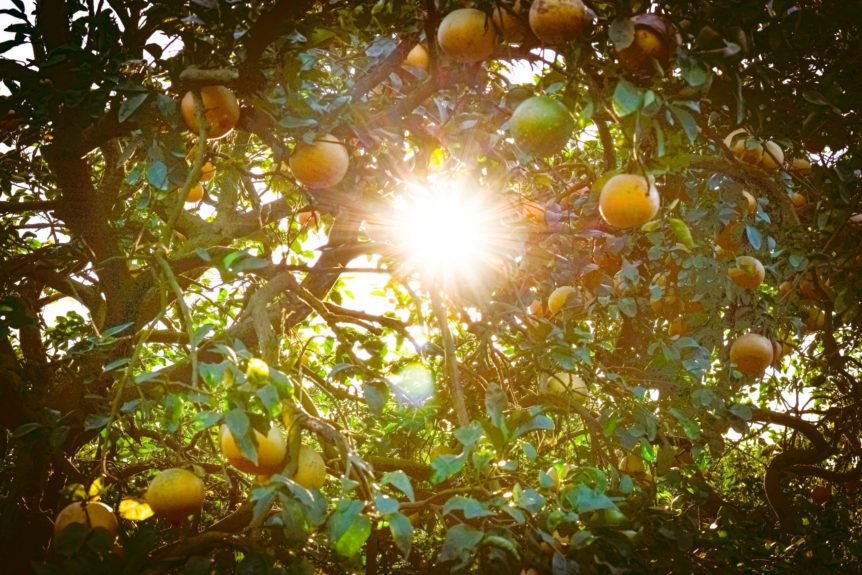
Climate change is a key reason that citrus production has progressed in South Georgia, North Florida and South Alabama, the area known as the cold-hardy citrus region. As more varieties, other than satsuma mandarins, continue to be planted in the area, warmer temperatures are needed for trees to flourish. Arnold Schumann, professor of soil fertility and water quality at the …
Have a Safe Thanksgiving: Toss Lukewarm Leftovers, UF/IFAS Food Safety Expert Warns
Tasty treats are expected this Thanksgiving, but don’t let the leftovers linger too long this holiday season. Clostridium perfringens, a bacterium that proliferates in food kept at improper temperatures, thrives in high-protein foods of animal origin, including red meat, poultry, pork and gravy, according to an Ask IFAS article. While outbreaks are typically more prevalent in hospitals, nursing homes, prisons …
Secret to a Successful Thanksgiving? Know How to Prepare Turkey Safely
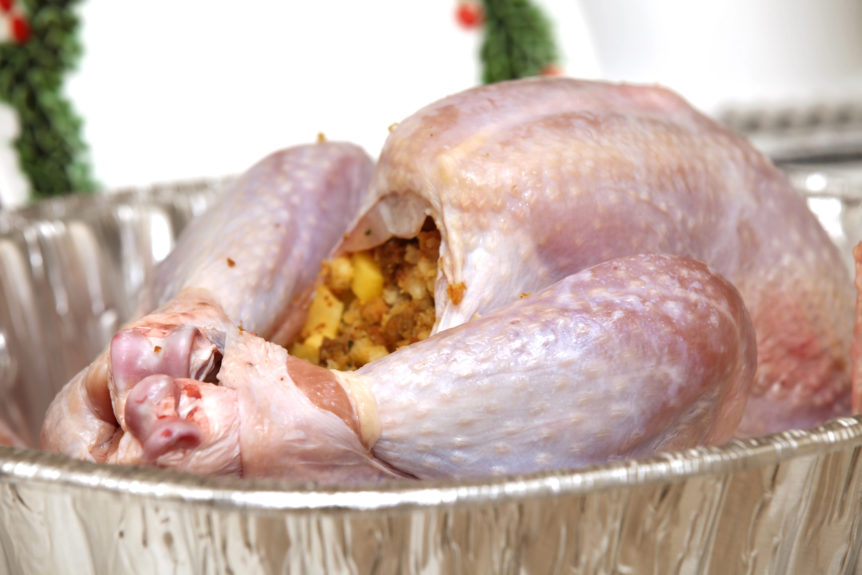
Thanksgiving Day means family reunions and turkeys being cooked across the U.S. The U.S. Department of Agriculture (USDA) provides safety tips for families cooking a turkey this year, starting with thawing the turkey. There are two safe ways to thaw a turkey: in the refrigerator or in cold water. Please be aware that thawing a frozen turkey on the kitchen …
New Administration Brings Energy, Hope That Ag Issues Get Resolved
By Clint Thompson A new administration in the White House beginning in 2025 provides a fresh start for the agricultural community. Bob Redding, who works for the Redding Firm and serves as a lobbyist for agricultural groups in Washington, D.C., discussed the ramifications of the November election and what can be expected in the agricultural industry moving forward. “I think …
Ag Leaders Disappointed with Increased AEWR
By Clint Thompson Southeast specialty crop producers are once again facing a substantial increase in the Adverse Effect Wage Rate (AEWR) for 2025. Georgia and Alabama are experiencing a 9% increase to $16.08, an increase of $1.40 per hour from the previous rate of $14.68 in 2024. Florida’s new AEWR is estimated to be $16.23, a 10% increase from the …