









COLUMBIA — Who wouldn’t love juicy red strawberries, sweet watermelons, refreshing cucumbers, ripe peaches, fresh butter beans or vibrant basil? It’s that time of year again in South Carolina. Specialty crop farmers are growing and harvesting fresh food to feed their communities across the state. “Our farmers worked hard to sustain us through the pandemic, and in 2021, I hope …
Fingers Crossed: Farmers Hoping No Frost with Week’s Cold Temperatures
Easter is Sunday, which means it’s time for at least one more cold snap for vegetable and specialty crop producers to contend with. On cue, temperatures are expected to drop as low as 39 degrees on Thursday and 36 degrees on Friday in Lake Park, Georgia, according to weather.com. Echols County is where Justin Corbett and his brother, Jared, farm …
Vegetable Assessment: Georgia Growers Approve
Georgia vegetable growers have made their voices known: The Georgia Vegetable Commission marketing order has been extended for an additional three years. Producers overwhelmingly voted to extend the assessment of one cent per marketing unit by producers with more than 50 acres crops that include green beans, bell pepper, specialty pepper, carrots, broccoli, beets, eggplant, cabbage, sweet potatoes, cantaloupes, cucumbers, …
Florida Grower: Why Even Do This?
Florida vegetable farmers are tired of voicing their displeasure with imports from Mexico. Some are seeing the writing on the wall; the end is nearing for American farmers. Kim Jamerson, whose husband grew up on a family farm and has been farming since age 6, is ready to sell her farm. It is not because she doesn’t enjoy the work …
Whitefly Infestations: Pest Numbers Increasing in South Florida
Whitefly infestations continue to increase in vegetable fields in Southwest Florida. According to the South Florida Pest and Disease Hotline, tomato fields have been greatly impacted. Adult whiteflies are swarming young cucurbit plants, especially those transplants that have just been planted in the ground and those direct seeded crops. Growers and scouts report that whitefly pressure is increasing in some …
Florida Farmer: I’ve Got a Bad Taste in My Mouth for Mexico
Count Kim Jamerson as another Florida vegetable producer who is being negatively impacted by imports from Mexico. “I’ve got a bad taste in my mouth for Mexico,” said Jamerson in Fort Myers, Florida. She farms approximately 1,280 acres of produce in south Florida, including eggplant, zucchini, yellow squash, cucumber and green pepper. Jamerson struggles to keep pace with Mexican imports …
Nematodes: Hidden Enemies of Asian Vegetable Growers in Florida
By Mengyi Gu, Hung Xuan Bui and Johan Desaeger If you happen to travel around Wimauma, Florida, you will see many plastic tunnels and may wonder what they are. Asian farmers (mostly Vietnamese) are using those plastic tunnels to grow a wide variety of specialty Asian vegetable crops. There is a high demand for these vegetables from northern cities such …
What’s Next? Georgia Producer Concerned About Future of American Farmer
Georgia vegetable producer Sam Watson may not be a blueberry farmer, but he had a vested interest in the International Trade Commission’s recent decision regarding the impact of blueberry imports. Watson, like his farming brethren, was disappointed that the ITC did not find that imports do have a significant injury to the domestic industry. “It’s just really frustrating and disheartening. …
March 2 is Deadline for Georgia Vegetable Growers to Vote on Assessment
Georgia vegetable growers have until March 2 to vote on a Georgia Vegetable Commission marketing order that allows the assessment of one cent per marketing unit of vegetables, which is described in the current marketing order. The order is applicable only to growers who produce at least 50 acres of the following crops: beans, bell pepper, specialty pepper, broccoli, beets, …
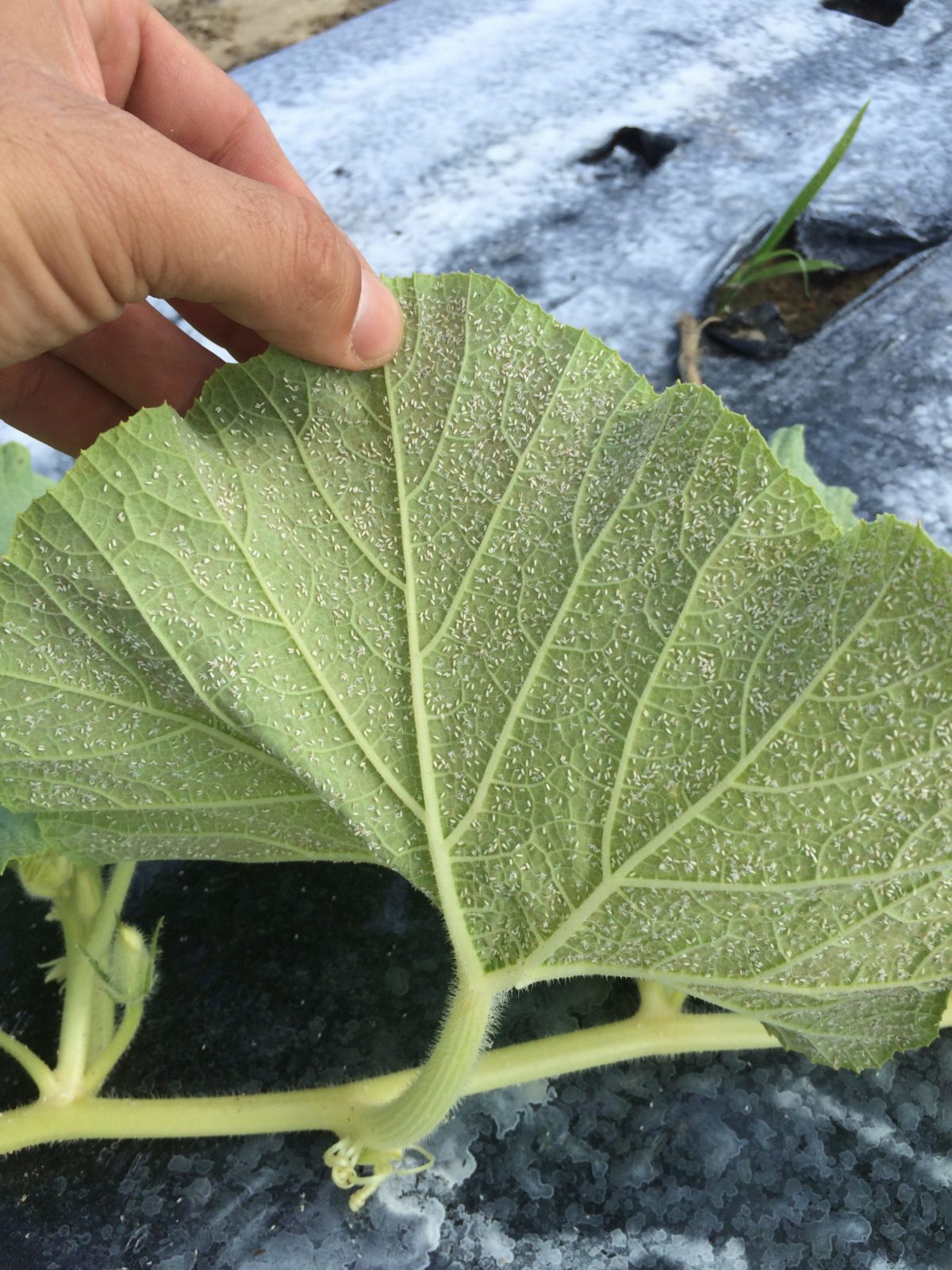
Whitefly Numbers Increasing in Florida Vegetables
According to today’s release of the South Florida Pest and Disease Hotline, whitefly numbers are increasing in some older tomato fields across the southwest Florida region. As many as 5 to 10 whiteflies per leaflet have been detected. Whiteflies are also present in high numbers in cucumbers, squash and eggplant. They are beginning to show up in some young tomato …