









By Clint Thompson Another spring production season means another year of nematode management required for Florida’s specialty crop producers. Johan Desaeger, assistant professor of entomology and nematology at the University of Florida Institute of Food and Agricultural Sciences Gulf Coast Research and Education Center, discusses why growers should always be wary of the microscopic worm-like pests. “They’re a problem every …
Cover Crops in Citrus: There Are Many Advantages
There are many advantages to using cover crops in citrus groves, according to Sarah Strauss, University of Florida Institute of Food and Agricultural Sciences (UF/IFAS) assistant professor. She recently discussed growers implementing cover crops at the Citrus Health Forum at the UF/IFAS North Florida Research and Education Center in Quincy. “Certainly, from the microbiology side, the scientific side, I think …
Nematode Management for Organic Crops
By Johan Desaeger Southeastern states have been slow to adopt organic crops. However, they recorded the most growth in organic production in the last 10 years. States such as California, Vermont, Maine and New York have a longer history with organic production. A great deal of scientific research now supports organic agriculture in these states. This is not the case …
Asian Bean Thrip: What to Know for Snap Bean Growers
By Clint Thompson The emergence of the Asian bean thrip (ABT) is an added concern for specialty crop producers in the South Florida. While there are effective insecticides available, snap bean growers should still be wary of ABT, says Hugh Smith, an associate professor of entomology and nematology at the UF/IFAS Gulf Coast Research and Education Center. “Asian bean thrips …
UF Researcher: Cover Crops Replenish Soil
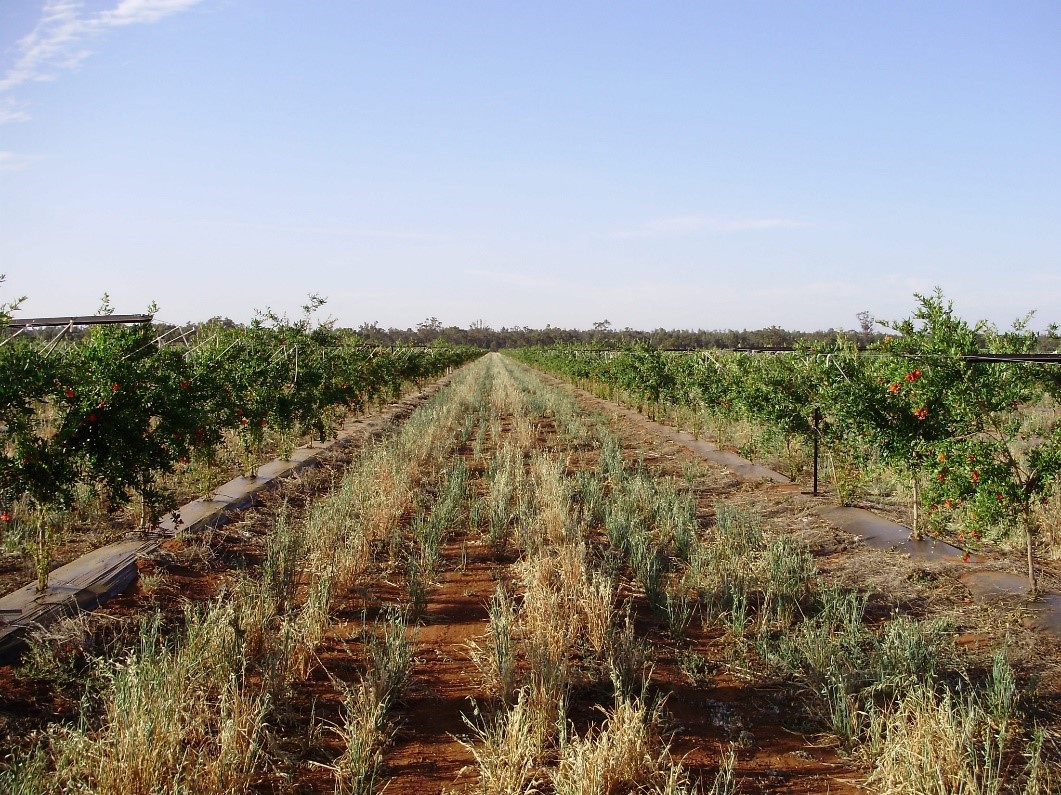
By Clint Thompson Johan Desaeger, Assistant Professor of Entomology and Nematology at the University of Florida Institute of Food and Agricultural Sciences (UF/IFAS) Gulf Coast Research and Education Center, believes in cover crops so much he quotes the United States’ first president in making his argument. “We’ve got to take care of our soils. George Washington, he was a farmer, …
Cover Crops Provide Plethora of Benefits
By Clint Thompson Cover crops are widely used in Florida strawberries, not as much so in vegetable production, however. Johan Desaeger, Assistant Professor of Entomology and Nematology at the University of Florida (UF) Gulf Coast Research and Education Center, would like to see that changed. “I think it’s something that would benefit a lot of crops here in Florida. Our …
Nematode Management in Florida Hops
By Clint Thompson Like other specialty crops grown throughout Florida, hops are not immune to nematode damage. However, they may be able to tolerate them better than others, says Johan Desaeger, Assistant Professor of Entomology and Nematology at the University of Florida (UF) Gulf Coast Research and Education Center. “One thing that we noticed with hops, and I think that’s …
Blueberry Cultivar Research: It Takes Time
By Clint Thompson Pest and disease management of blueberries is a reality all Florida producers have to cope with every year. A potential solution is cultivar resistance. But that will take time, however, says University of Florida blueberry breeder Patricio Munoz. “Pests and diseases are big problems for the state, but we are a state that’s very prone to these …
FDACS Budget Proposal Addresses Specialty Crops
The Florida Department of Agriculture and Consumer Services’ Legislative Budget Request for Fiscal Year 2022-2023 includes proposals for various specialty crops. Included is $8 million for citrus greening research, funded in the Agricultural Emergency Eradication Trust Fund. Funding will be passed through to the Citrus Research and Development Foundation. There is also a request for $1.45 million for Citrus Crop …
Increased Interest: Crop Insurance Grows for Specialty, Organic Crops
WASHINGTON – The number of specialty and organic agricultural producers who purchase insurance for their crops continues to climb. The U.S. Department of Agriculture (USDA) attributes the recent surge to its work with producers and agricultural groups to create new crop insurance options, expand and improve current options and to support local food efforts. USDA’s Risk Management Agency (RMA) recently released …