









By Philip Harmon and Doug Phillips Anthracnose fruit rot (AFR), also known as ripe rot, is a significant disease on southern highbush blueberries. Caused by the fungal pathogen Colletotrichum gloeosporioides on southern highbush blueberries in Florida, AFR creates sunken lesions on the surface of blueberries. This is followed by eruptions of orange- or salmon-colored spores from the lesions when the …
Freeze Event was ‘Gruesome’ for Blueberries
By Clint Thompson The freeze event during the March 12-13 weekend wiped out at least half of Georgia’s blueberry crop this season, according to early estimates. More than 54 million pounds of blueberries were lost when temperatures dropped into the 20s on that fateful Sunday morning. Temperatures were as low as 26 degrees Fahrenheit in Alma, Georgia on March 13, …
Freeze Effect: Georgia Southern Highbush Blueberries Impacted
By Clint Thompson Most of Georgia’s blueberry crop survived sub-freezing temperatures two weeks ago. Only the early Southern Highbush varieties received damage, says Renee Holland, University of Georgia area Extension agent for commercial blueberries. “There’s different species that we grow in Georgia, the Southern Highbush blueberry and the Rabbiteye blueberry. The Rabbiteyes look fine. The flower buds are still tight. …
Freezing Aftermath: Scout Blueberries to Survey Damage Before Applying Fungicides
By Clint Thompson Southeast producers with blueberries impacted by last weekend’s sub-freezing temperatures need to survey any damage to their crop before applying fungicides to protect against subsequent diseases, says Jonathan Oliver, University of Georgia (UGA) Extension assistant professor and small fruits pathologist. “As far as the blueberries go, we’re going to have to see where things stand. The fungicides …
Georgia and Florida Blueberries in Bloom Very Early
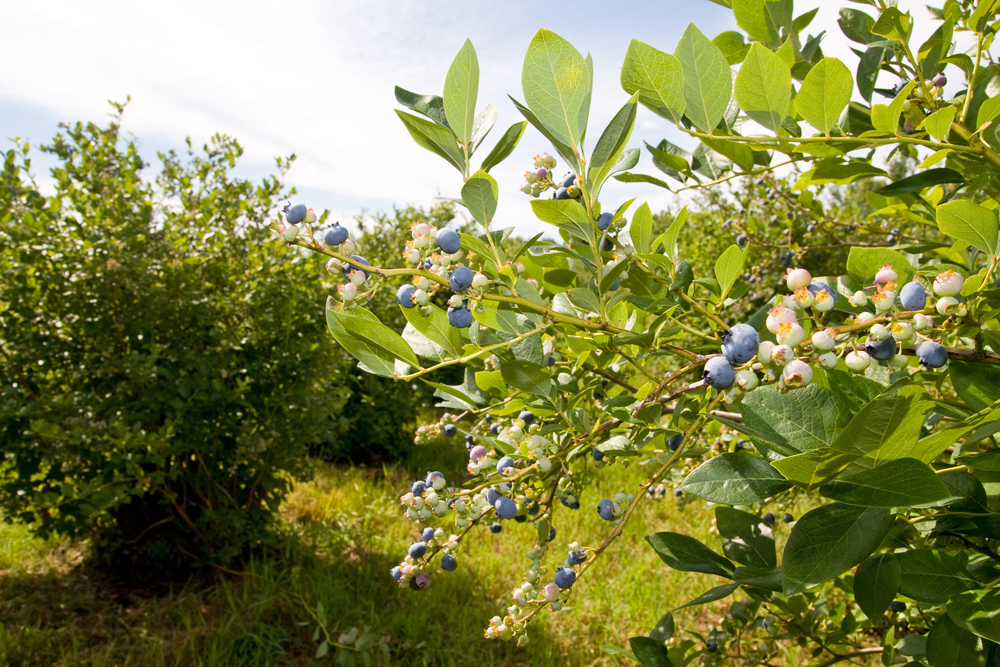
By Frank Giles The early blueberry season was highlighted during last weekend’s Southeast Regional Fruit & Vegetable Conference in Savannah, Georgia. One topic kept trending for growers in attendance, too many blooms, way too early. Some growers are reporting up to 30% bloom in Georgia. That makes for a challenging winter for producers hoping to avoid hard freezes as the …
Harvests, Sanitation Key to Preventing Yeast Rot in Blueberries
By Clint Thompson Timely harvests and sanitation practices are two ways blueberry growers can avoid yeast rot becoming a major problem in 2022. The disease devastated South Georgia’s rabbiteye blueberries in 2020. Phil Harmon, professor and Extension plant pathologist at the University of Florida, says there’s not a viable chemical option for farmers to implement. Management will have to involve …
Fertilization of Blueberries in Pine Bark Beds
By Doug Phillips and Jeffrey G. Williamson Blueberries have specific nutrient requirements that differ from other horticultural crops. They have shallow root systems and no root hairs, which limits the ability to take up nutrients. Blueberries grow best in acidic soils (ideal pH range of 4.5 to 5.5) with at least 3% organic matter and prefer the ammonium form of …
Biological Control: UF Research Testing New Measures for Mites in Blueberries
By Clint Thompson Biological applications may be Florida blueberry growers’ best management strategy for long-lasting control of mites. Oscar Liburd, University of Florida Institute of Food and Agricultural Sciences (UF/IFAS) Professor and Fruit and Vegetable IPM Program leader, said resistance concerns are forcing researchers to consider alternative control measures. “One of the problems is that if we continue using the …
Florida Blueberries: Embrace the Future Now to Remain Sustainable
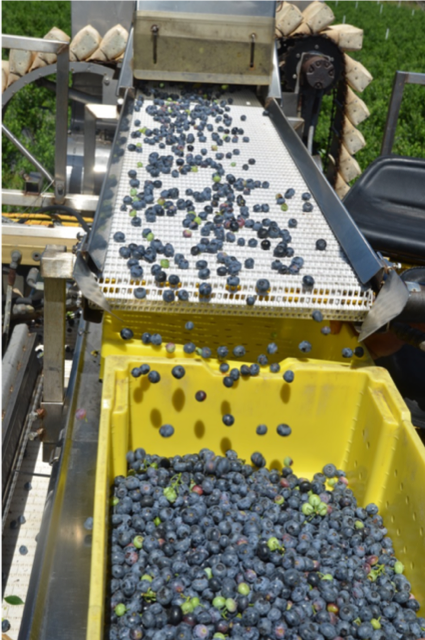
By Clint Thompson The future of blueberry production is now for Florida farmers hoping to remain sustainable. At least that’s how one blueberry producer views the industry as it’s currently constructed. Like other Florida blueberry growers, Ryan Atwood is not immune to the rising input costs being experienced across agriculture. Fertilizer, fuel, labor, land; all are expenses that are on …
USHBC, Pagoda Celebrate USA Fresh Blueberries in China
SHENZHEN, China — Consumers in China can finally enjoy fresh blueberries from the United States. The U.S. Highbush Blueberry Council (USHBC) teamed up with Pagoda, a leading fruit retailer in China, on Thursday to hold a ceremony celebrating the arrival of fresh U.S. blueberries to mainland China, the first-ever promotion of USA fresh blueberries in China. The United States is …