









By Leonard Park The Florida blueberry season that began in the summer of 2022 culminated in one of the smallest spring harvests in years. The main culprit was Hurricane Ian. However, the lack of chill hours in December, followed by two harsh cold snaps over the holidays, affected other regions with damaged flower buds and crop delays. For most growers, …
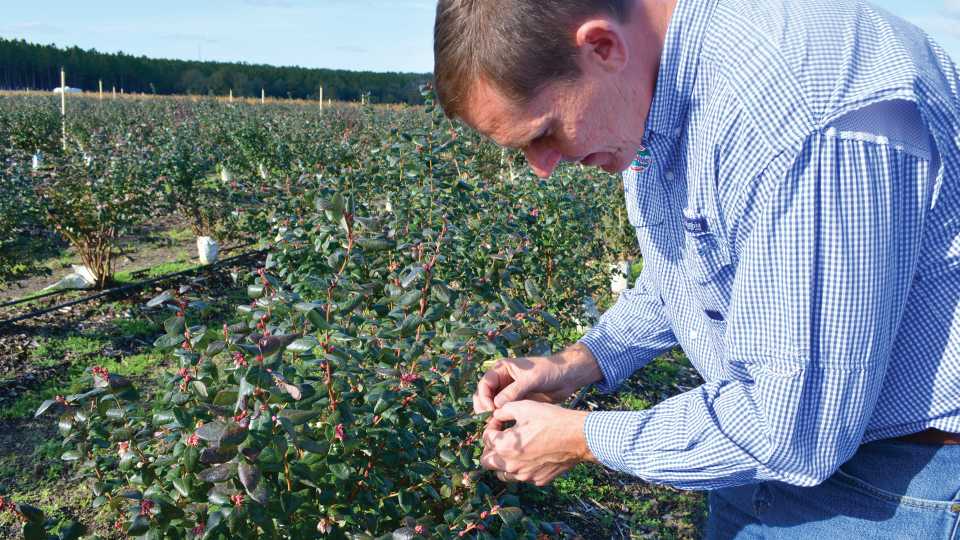
Quality and Automation Key to Blueberry Sustainability
By Frank Giles Ryan Atwood, co-owner of Amber Brooke Farms, has become a leading voice in Florida’s blueberry industry. He’s been an advocate for trade protection and has encouraged growers to innovate to stay ahead of the curve in a rapidly evolving market. We asked Atwood to provide some insights into the current blueberry environment. He says he’s hoping for …
FPAA Cites Study with no Basis in Reality to Distract from Mexican Dumping
The Fresh Produce Association of the Americas (FPAA), which represents importers of Mexican tomatoes, used a misleading study to distract from Mexico’s record of dumping tomatoes. The study claims that tomato prices will rise by an average of 52% if antidumping duties are imposed on imports of Mexican tomatoes. This conclusion, however, is based on fantasy and not on market …
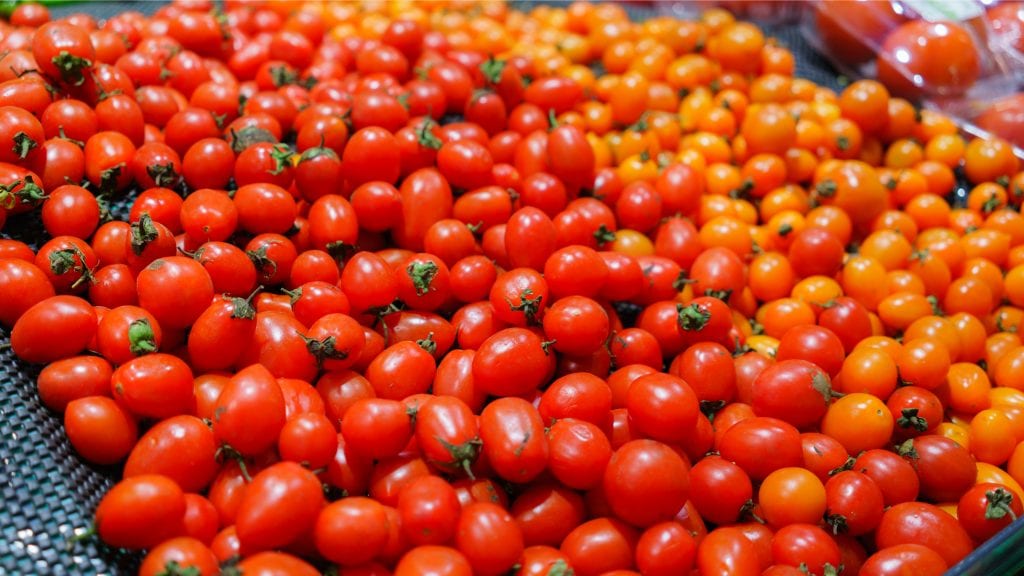
Commerce Department Investigation Could Impact Tomato Trade Pact
The U.S. Department of Commerce opened an investigation by the request of the Florida Tomato Exchange (FTE) that could result in anti-dumping duties on Mexican tomatoes. In June of 2023, FTE filed a request to eliminate the 2019 Tomato Suspension Agreement. The purpose behind this request was to end the unfair trading pattern between the U.S. tomato industry and the …
Increase in North Florida Watermelon Acres is Not Guaranteed
By Clint Thompson A productive and prosperous watermelon season in North Florida last spring does not guarantee increased acres next year. Bob Hochmuth, University of Florida Institute of Food and Agricultural Sciences (UF/IFAS) Regional Specialized Extension agent in Live Oak, Florida, explains why one of the most successful seasons in recent memory will not necessarily lead to more watermelon acres …
Increase in North Florida Watermelon Acres Next Year? Not So Fast
By Clint Thompson A productive and prosperous watermelon season in North Florida last spring does not guarantee increased acres next year. Bob Hochmuth, University of Florida Institute of Food and Agricultural Sciences (UF/IFAS) Regional Specialized Extension agent in Live Oak, Florida, explains why one of the most successful seasons in recent memory will not necessarily lead to more watermelon acres …
Tri-County Agricultural Area: Where Tradition Meets Technology
By Frank Giles There are a few farming regions in Florida and around the country that have carved out unique identities and are quickly recognized by their names. The Tri-County Agricultural Area (TCAA) is one such place. Comprised of St. Johns, Putnam and Flagler counties, the TCAA has roots dating back to the very beginning of agriculture in the state. …
Georgia Pecan Referendum Passes
By Clint Thompson The approved referendum for the Georgia Pecan Commission will help further the state’s status as a leader in pecan production. Lenny Wells, University of Georgia Extension pecan specialist, explains why the referendum passing at 82.7% is a win for Georgia’s industry. “The pecan industry, compared to most other crops, we are still in the dark ages as …
S.C. Department of Agriculture to Hold Listening Call About Infrastructure Needs
COLUMBIA – The South Carolina (S.C.) Department of Agriculture will host a listening call regarding the Resilient Food Systems Infrastructure (RFSI) cooperative agreement on Wednesday, June 28. The purpose of the program is to build resilience in the middle of the food supply chain; to provide more and better markets to small farms and food businesses; and to support the …
Tomato Suspension Agreement Must Be Terminated
The Florida Tomato Exchange filed a request with the U.S. Department of Commerce to terminate the 2019 Tomato Suspension Agreement, because it has failed to stop unfairly traded Mexican tomatoes from destroying the U.S. tomato industry. Since 1996, five different suspension agreements have tried to stop the unfair trade practices used by Mexican tomato exporters, but each agreement has proven …