









By Clint Thompson An innovative way of producing specialty crops provides Florida growers a more efficient, and potentially, a more sustainable way of farming. Nathan Boyd, University of Florida Institute of Food and Agricultural Sciences (UF/IFAS) professor of horticulture and weed science, focused on the topic of relay cropping during his presentation at the Citrus and Specialty Crop Expo. Relay …
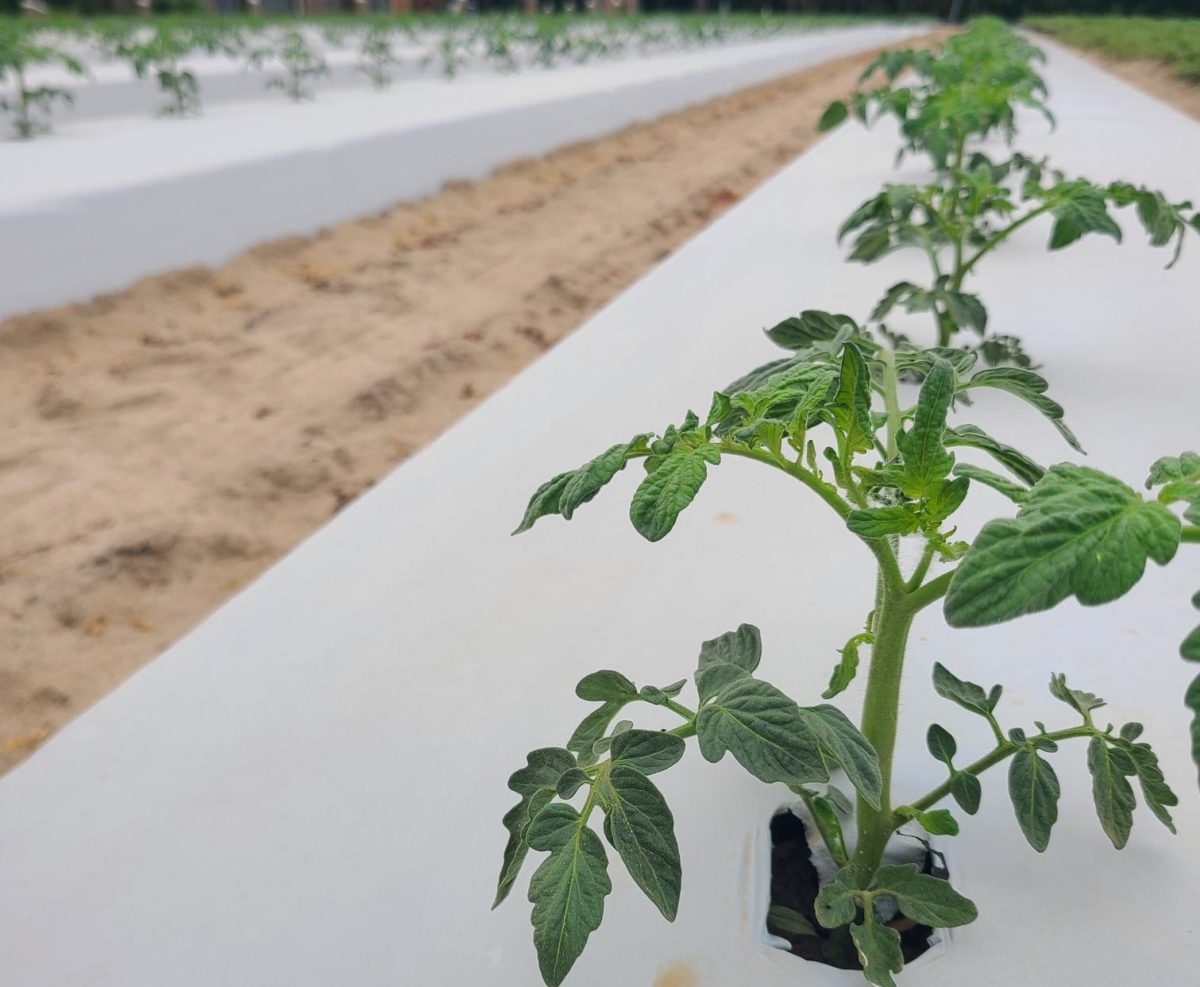
Transplant Establishment Key in Hot, Dry Conditions
By Clint Thompson The extreme heat and extended dry period across the Southeast could impact the young vegetable crops that growers have planted this fall. Tim Coolong, associate professor in the University of Georgia College of Agricultural and Environmental Sciences, emphasizes the importance of transplant establishment, especially during the current weather conditions. “We’re in that little window right now where …
Farmers Expand Lettuce Production Across Florida
Each year, U.S. farmers produce enough lettuce to feed everyone in the country. Up to 73% of U.S. lettuce comes from California producers and is distributed nationwide through extensive retail chains. Lettuce grown in Florida accounts for 3% of the national total and has a unique market window during the winter months. Traditionally, Florida lettuce has been grown between October …
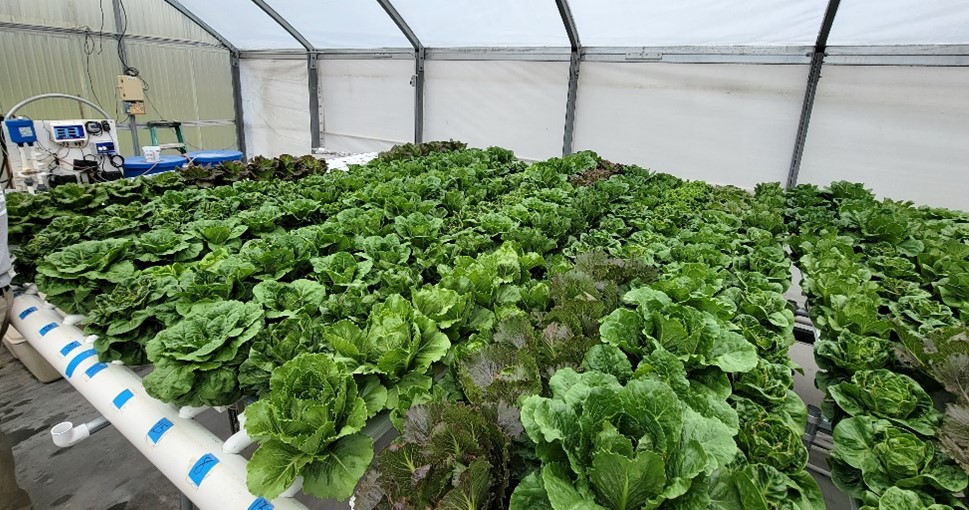
Growing Lettuce in Non-Traditional Areas of Florida
Each year, U.S. farmers produce enough lettuce to feed everyone in the country. Up to 73% of U.S. lettuce comes from California producers and is distributed nationwide through extensive retail chains. Lettuce grown in Florida accounts for 3% of the national total and has a unique market window during the winter months. Traditionally, Florida lettuce has been grown between October …
Sewage Scrutinized for Polluting Indian River Lagoon
The summer months often see a rise of blue-green algae problems in Lake Okeechobee and its surrounding estuaries. Along with the algae come various claims of who is to blame. One thing is certain amid all the debate, nutrient and water-quality issues are an extremely complex problem with no single solution or party to blame. A recent study released by …
$40 Million Fund Will Support South Carolina Agribusinesses, Expand Opportunities for Farmers
COLUMBIA – The South Carolina Department of Agriculture is pleased to announce the Growing Agribusiness Fund, a new incentive program for South Carolina agribusinesses. The South Carolina General Assembly appropriated $40 million to launch the initiative, which will help existing South Carolina businesses engaged in the processing, packaging, manufacturing, distribution, storage, and transportation of agricultural products, in turn providing more …
Be on the Lookout for New Thrips Pest
By Clint Thompson Anna Meszaros, University of Florida Institute of Food and Agricultural Sciences Extension commercial horticulture agent in West Palm Beach, Florida, implores vegetable farmers to scout diligently for Thrips (T.) parvispinus. The pest was most recently observed on cucumber, squash and zucchini for the first time last spring. Meszaros discussed the issue during Wednesday’s seminar session at the Citrus …
Soil Sampling Timing Critical in Nematode Management
By Clint Thompson Soil sampling can be an integral part of a farmer’s planning for nematode management for the upcoming season. But growers should know when is the proper time to conduct soil samples. Johan Desaeger, assistant professor of entomology and nematology at the University of Florida Institute of Food and Agricultural Sciences (UF/IFAS) Gulf Coast Research and Education Center, …
Aug. 24 Marks Citrus Packinghouse Day
Topics of interest to Florida’s fresh citrus industry will be addressed at Citrus Packinghouse Day on Aug. 24 in Lake Alfred. The event will be held at the University of Florida Institute of Food and Agricultural Sciences (UF/IFAS) Citrus Research and Education Center. The free event in Ben Hill Griffin Hall will include an educational program, exhibitors and networking opportunities. …
Possible Paths Forward for Sustainable Citrus Breeding
By Peter Chaires It was my good fortune to recently witness two unique scenarios in the search for HLB-tolerant marketable varieties. These experiences highlighted opportunities before us and clearly identified some challenges in resurrecting, rebuilding or reinventing Florida’s storied citrus industry. The roadmap forward is yet to be fully defined, and the paths will vary for each fruit type and …