The October issue of Specialty Crop Grower Magazine highlights blueberries and how global blueberry production is challenging the domestic market. Increased production in other countries challenges Southeast production to supply the demand. Zhengfei Guan, associate professor of economics with the University of Florida Institute of Food and Agricultural Sciences says over the past 15 years, global blueberry production has more …

Plant Diagnostic Facilities for Georgia Citrus Growers
The University of Georgia (UGA) has disease labs and clinics to help citrus producers determine what diseases are impacting their trees. Jonathan Oliver, UGA assistant professor and small fruits pathologist, highlights the diagnostic facilities that growers can take advantage of. “We have a lab in Tifton, the Plant Disease Clinic, that can accept samples from commercial citrus,” Oliver said. “We …
Psyllids and HLB Spreading in Georgia
Populations of Asian citrus psyllids (ACP) have been found in residential and commercial citrus in Georgia’s Lowndes and Wayne counties during the past two months. ACP spread huanglongbing (HLB) disease. In several places where ACP were found, HLB-infected trees were identified nearby. University of Georgia College of Agricultural and Environmental Sciences (UGA CAES) entomologist Apurba Barman provided details about the …
Drought’s Impact on Peach Trees in the Fall
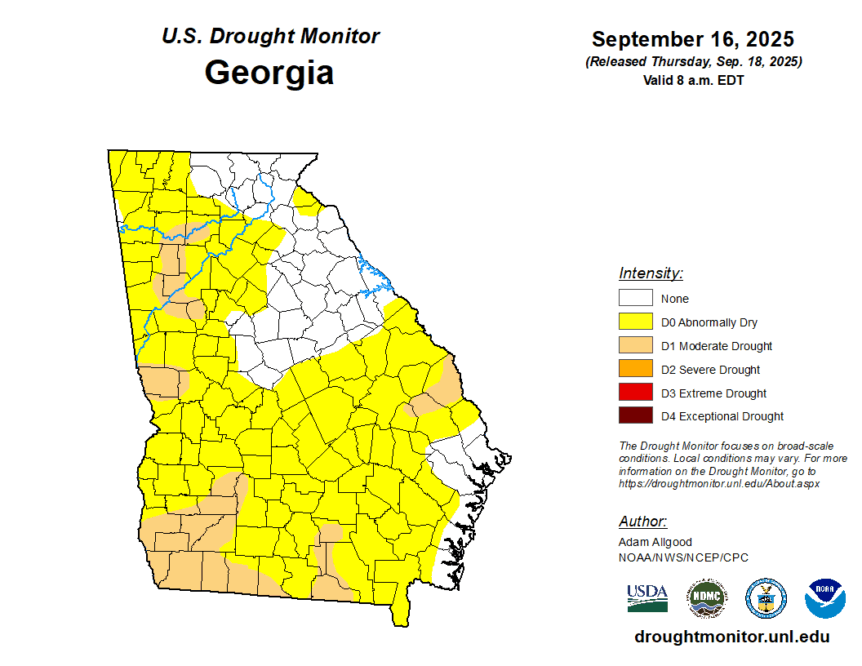
By Clint Thompson Zero to minimal rainfall across Georgia over the past month should prompt the state’s peach producers to implement an essential management strategy. Though peach season has come and gone and with the trees nearing dormancy, growers must consider their trees’ water needs amid the current drought. Jeff Cook, University of Georgia Cooperative Extension agriculture and natural resources …
Drying Up: Rain Needed for Vegetable Production
By Clint Thompson Prolonged periods of dry weather are not the worst thing for specialty crop growers. Most will say they prefer to apply their own water instead of having too much rainfall. It minimizes the disease pressure that producers have to manage. But there is such a scenario where a little rain would be welcomed, says Ty Torrance, University …
Thresholds a Non-Factor in Whitefly Management
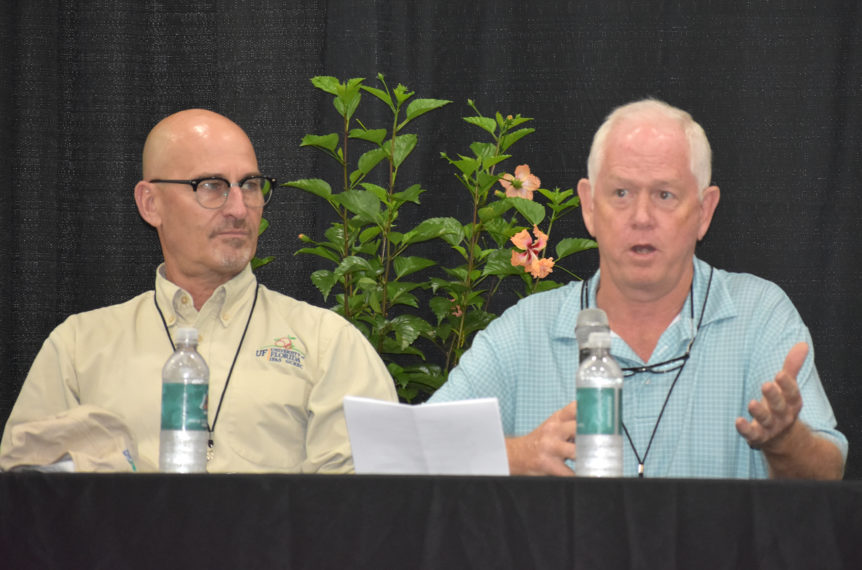
By Clint Thompson Whitefly management in the Southeast is not predicated on thresholds; how many whiteflies can a vegetable plant tolerate before insecticides need to be applied. Growers know they will encounter the insect pest, so thresholds won’t matter. Management involves more preventative measures, says Stormy Sparks, University of Georgia Cooperative Extension vegetable entomologist. Sparks was part of a panel …
Unspoken Anxiety: Hurricane Season a Threat to Southeast Pecans
By Clint Thompson Fall is the time of year that pecans are harvested in the Southeast. It also prime hurricane season for growers in Alabama and Georgia. As pecan production season transitions into harvest season, producers are praying for zero impact from a pending storm. As growers saw from storms like Hurricane Helene last year, Hurricane Idalia in 2023 and …
Proper Site Selection Essential for Phytophthora Prevention
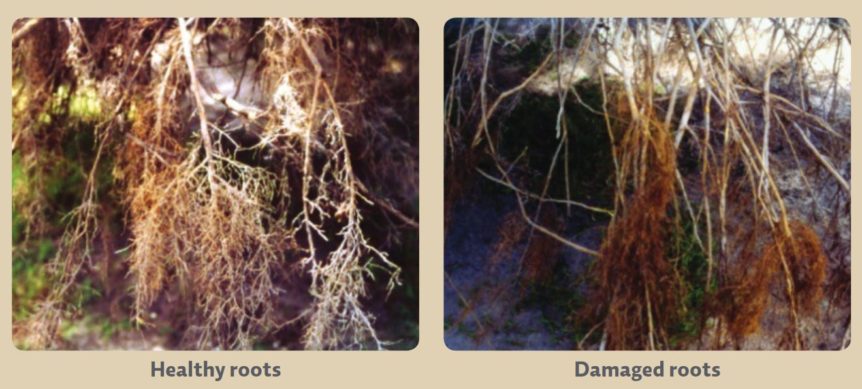
Vulnerability of citrus trees to phytophthora root rot is a concern for cold-hardy growers. But there are precautions that producers can implement that will guard against infection buildup. One of those precautions includes site selection and not planting trees in poorly drained locations, according to Jonathan Oliver, University of Georgia assistant professor and small fruits pathologist. “Site prep is really …
Birds Can Be Bothersome in Cold-Hardy Citrus Groves
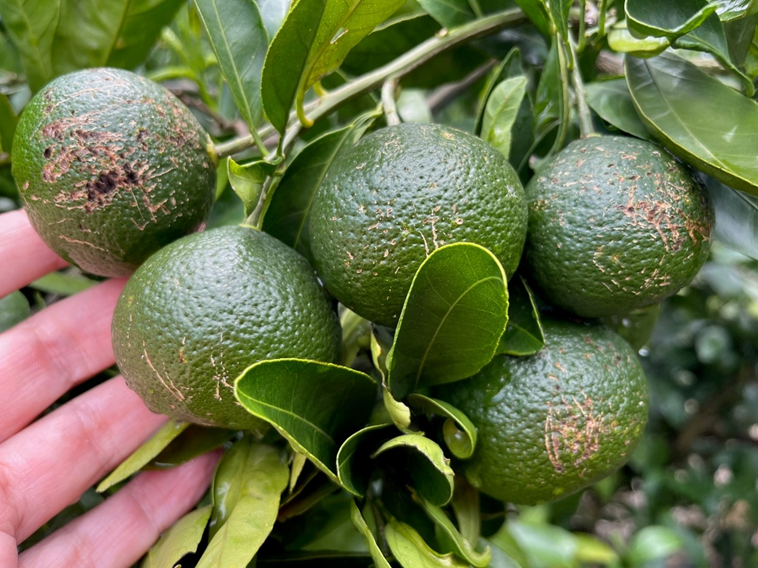
By Clint Thompson Cold-hardy citrus producers are reporting increased cases of bird damage to their young fruit. Jake Price, University of Georgia (UGA) area citrus agent, discussed the ongoing situation in the UGA Citrus Blog. While this is not a major concern for growers, it is an issue that they need to be aware of when surveying their citrus groves. …
Foliar Insecticide Applications Essential for Pecan Phylloxera Control
By Clint Thompson Foliar insecticide applications are essential for pecan producers hoping to control pecan phylloxera, an insect pest in the Southeast. Apurba Barman, University of Georgia (UGA) Extension pecan entomologist, discussed the insect during the recent Georgia Pecan Growers Association Fall Field Day at the UGA Ponder Farm in Tifton, Georgia. He stressed that foliar applications are most effective …