A pair of cucurbit diseases have been observed in South Carolina. Downy mildew disease was discovered in a research plot at the Coastal Research and Education Center in South Carolina, according to the South Carolina Grower and Clemson Plant Pathologist Tony Keinath. The disease was found on May 21, though the spores arrived approximately 10 days prior. It infected the …
Georgia Watermelon Harvests Starting This Week
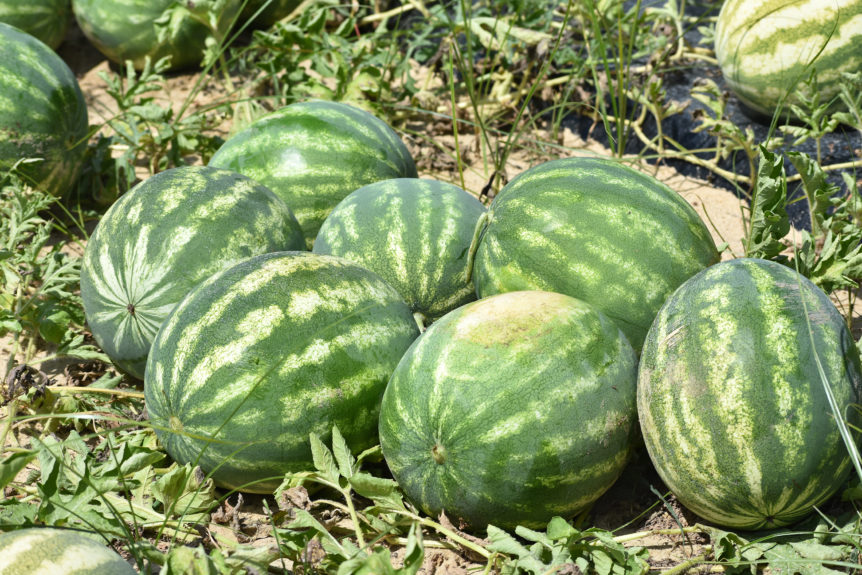
By Clint Thompson Georgia’s watermelon harvests are expected to pick up this week amid an unfortunate market decline for the region’s watermelon growers. Ty Torrance, University of Georgia Cooperative Extension vegetable agent for Colquitt, Tift and Worth counties, discussed the status of the watermelon crop in his region. He believes the lack of rain in some areas impacted the crops, …
Insect Update in Georgia Vegetables
By Clint Thompson Spring vegetable season is in full swing in South Georgia. Vegetable farmers are managing pests and diseases that are challenging this year’s crops. Stormy Sparks, University of Georgia (UGA) Cooperative Extension vegetable entomologist, highlighted pests that have been a challenge this year for producers, including one in particular. “I think thrips have been a problem this spring. …
Large Fruit Size Could Be Problem for Cold-Hardy Citrus
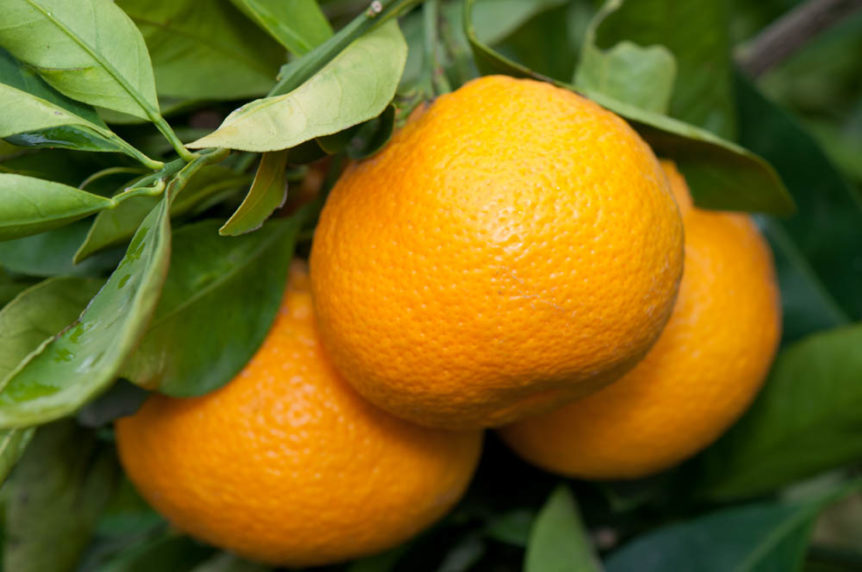
Fruit in the cold-hardy citrus region is expected to be in short supply next season due to the trees’ alternate bearing cycle. The fruit also could be too large to sell, creating another concern for growers heading into next season. “Trees with a low crop load tend to have large fruit,” noted Mary Sutton, University of Georgia (UGA) assistant professor …
Weather Forecasts: Warmer Temps This Summer
By Clint Thompson The upcoming summer months are projected to be warmer than normal. That’s the forecast shared by the National Oceanic and Atmospheric Administration (NOAA). Pam Knox, University of Georgia Extension agricultural climatologist, noted in the UGA Extension Climate Blog that the forecast of warmer temperatures in June through August is not a surprising prediction. She said it is …
Salibro an Effective Treatment Option for Nematodes
By Clint Thompson Salibro nematicide provides Florida vegetable growers another new tool in the toolbox when managing nematodes. Johan Desaeger, assistant professor of entomology and nematology at the University of Florida Institute of Food and Agricultural Sciences Gulf Coast Research and Education Center, discusses Salibro and its impact on the soil pests. “We have this new nematicide called Salibro which …
Clemson Extension Agents Provide Crop Updates
Weekly Field Update Clemson Extension agents provide updates in The South Carolina Grower this week about the status of various crops being produced throughout the state. Coastal Region Anna Sara Hill Midlands Phillip Carnley Rob Last Sarah Scott Sponsored ContentNew Syngenta Varieties Offer Grower SolutionsFebruary 1, 2026Attribute® II Technology Adds More Flexibility and Strength to Sweet Corn Pest ManagementJanuary 1, …
Georgia Ag Commissioner Touts ‘Great’ Time of Year for Fruits, Vegetables
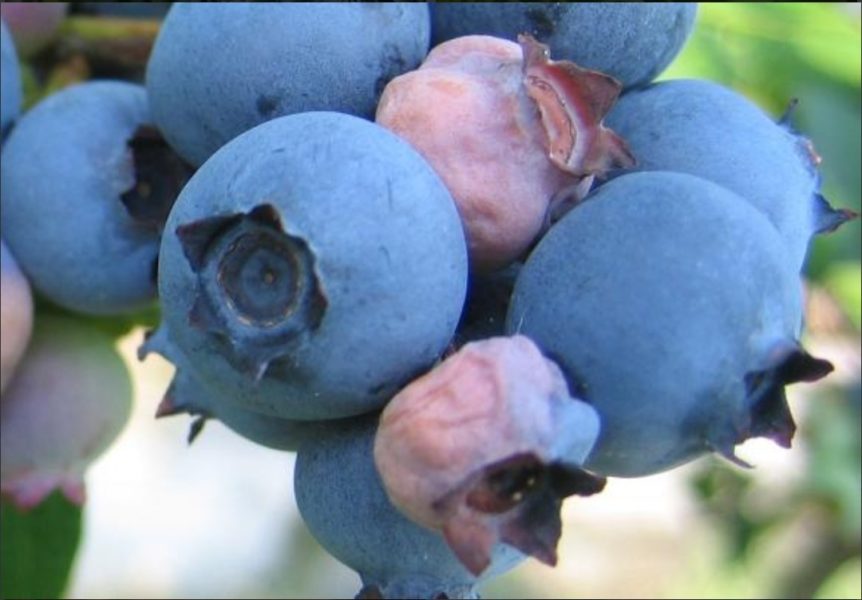
By Clint Thompson Spring vegetable crops are in the ground. Fruits like peaches and blueberries are being harvested or about to be, as are Vidalia onions. It’s a great time of year for Georgia’s specialty crop industry, explains Georgia Ag Commissioner Tyler Harper. He touted Georgia Grown during the UGA Grand Farm groundbreaking ceremony in Perry, Georgia. “When you get …
Alternate Bearing Affecting Cold-Hardy Citrus Production
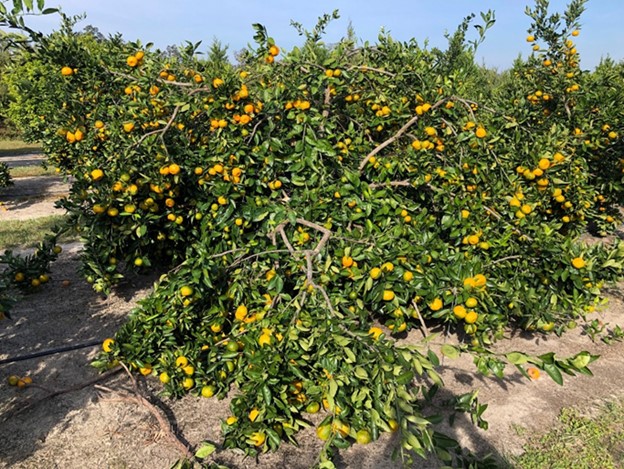
Trees in the cold-hardy citrus region are expected to produce a low crop in 2025 following a massive crop in 2024. Mary Sutton, University of Georgia (UGA) assistant professor and citrus Extension specialist, believes the trees’ alternate bearing cycle will contribute to the decreased crop in 2025, especially for satsuma mandarins. “This alternate bearing pattern probably started in 2023. That …
Specialty Crop Grower Magazine: Chlorpyrifos Ban to Begin
By Frank Giles and Clint Thompson Fruit and vegetable growers who use chlorpyrifos are reminded that the insecticide can only be applied to food crops until June 30, after which continued use will be banned. Grower Guidance University of Florida Institute of Food and Agricultural Sciences (UF/IFAS) researchers advise producers that the products that contain chlorpyrifos are “unlikely to be …