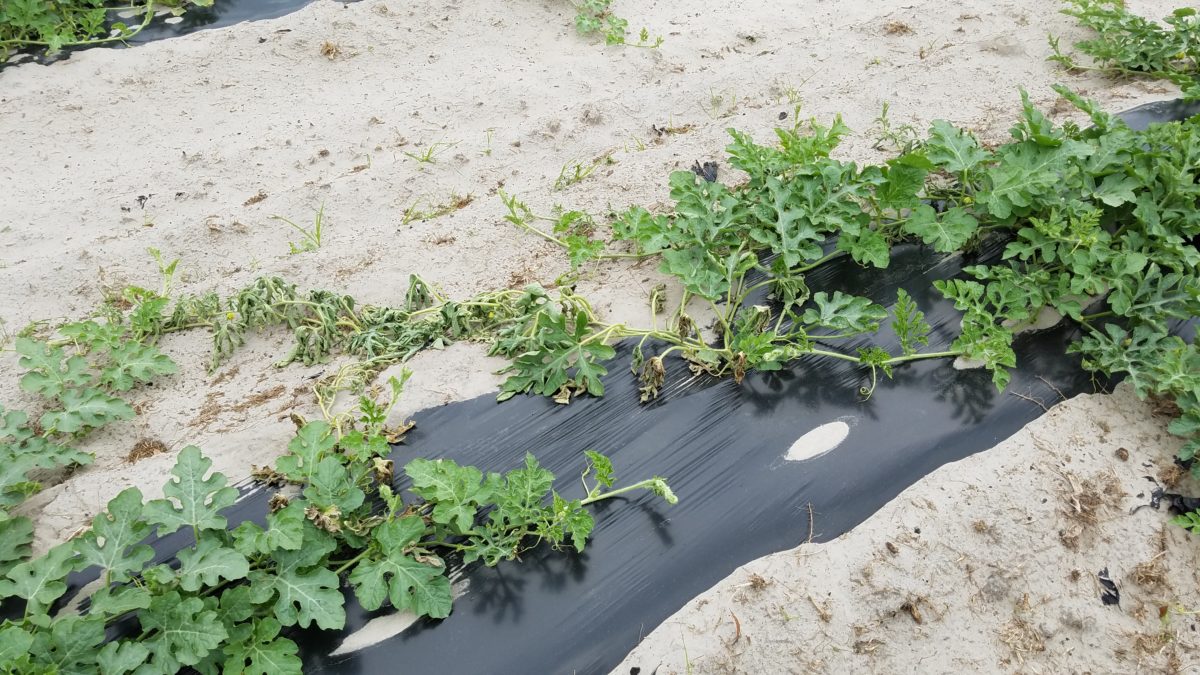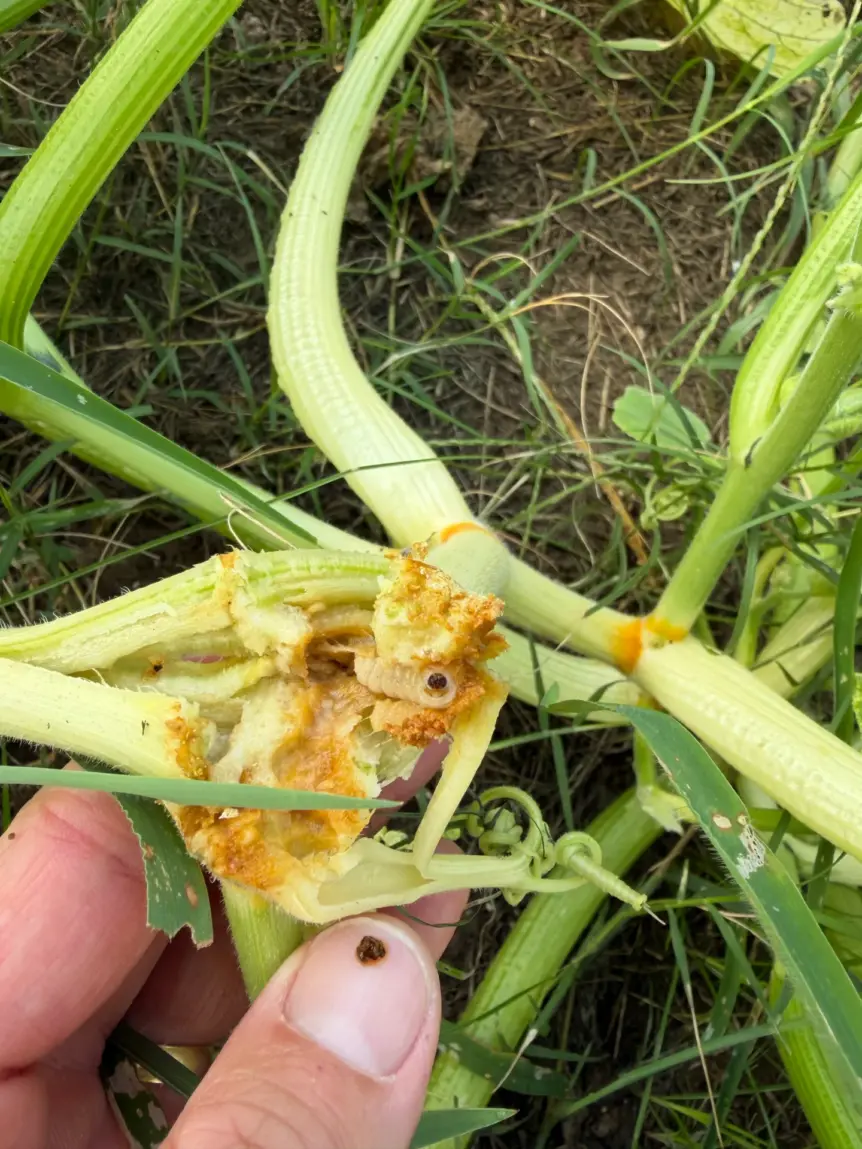








By Breanna Kendrick The 2018 Florida watermelon season posed challenges for most growers that resulted in lower yields and higher fruit prices. Bob Hochmuth, regional specialized Extension agent for vegetable crops at the University of Florida (UF) Institute of Food and Agricultural Sciences North Florida Research and Education Center in Suwannee Valley discussed Florida’s 2018 watermelon season. He addressed the …
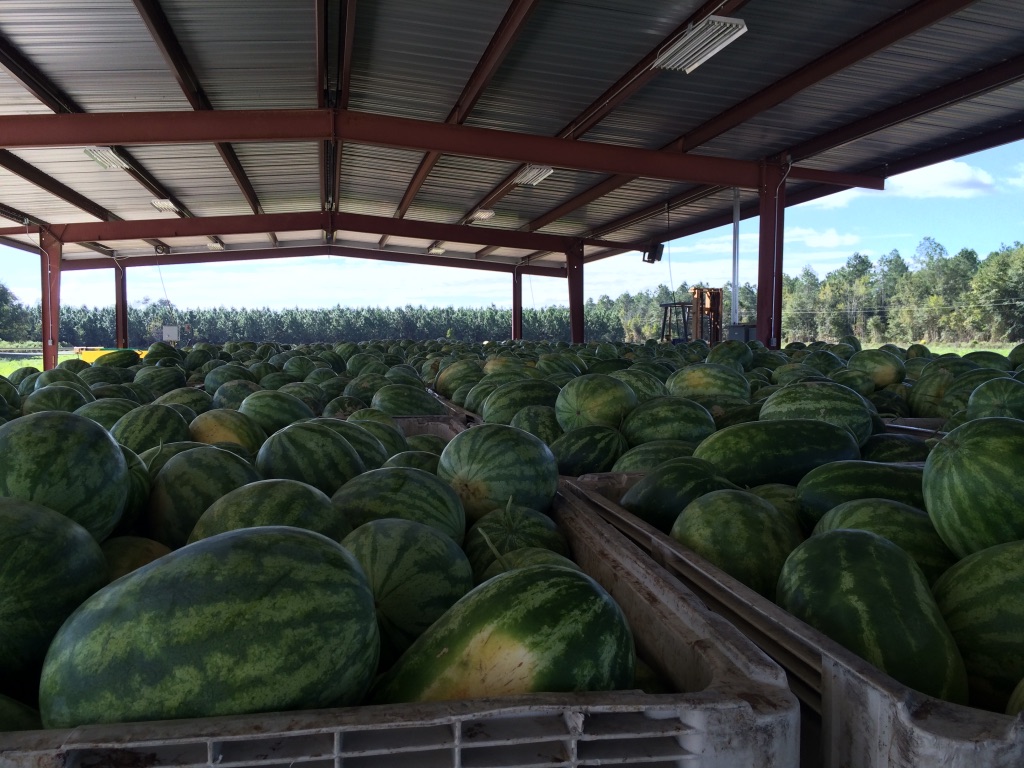
Advice for Managing Watermelon Diseases
By Breanna Kendrick Depending on where you are, different diseases could affect your watermelons. Phytophthora, fusarium wilt, anthracnose, downy mildew and gummy stem blight are the biggest issues that Nicholas Dufault, University of Florida associate professor and Extension plant pathologist, has seen. These are the most common diseases in Florida-grown watermelons. With phytophthora, whole plant death is associated with a …
Gummy Stem Blight Tops Georgia Watermelon Diseases
By Breanna Kendrick With the heavy rains during the 2018 watermelon season, Georgia growers in the Colquitt County area have seen an increase in gummy stem blight in their melons. Jenna Kicklighter, a University of Georgia vegetable agent in Colquitt County, spoke with many growers this year about their season. “Gummy stem blight is the number-one disease growers had the …
Organic Watermelon Research in Georgia
By Jaci Schreckengost University of Georgia (UGA) researchers are examining different aspects of organic watermelon production to help give growers the best season possible in 2018. George Boyhan, professor and Extension vegetable specialist at UGA, said that aspects of organic watermelon production, such as breeding and spacing, are being studied. Having data on these subjects can help researchers give growers …
Watermelon Disease Watch
Florida watermelon growers are constantly faced with the challenge of disease management. Whether it’s diseases vectored by whiteflies or fungal diseases such as fusarium wilt, once a crop is infected, the results can be detrimental. Nicholas Dufault, assistant professor of plant pathology and Extension specialist at the University of Florida (UF) in Gainesville, has been studying ways growers can manage …
Grafting Program Focuses on Tomatoes, Watermelon
The grafting program at the University of Florida (UF) was formed nearly a decade ago, but one of the main goals of the program continues today. Josh Freeman, associate professor of horticulture at UF, said the grafting program was originally started to manage bacterial wilt in tomato crops. Today, the goal has slightly changed to managing fusarium wilt of watermelon …
Clemson Extension Agents Provide Crop Updates
Weekly Field Update Clemson Extension agents provide updates in The South Carolina Grower this week about the status of various crops being produced throughout the state. Lowcountry Report Zack Snipes The cooler mornings have been a nice surprise lately. We are pretty dry in most production areas along the coast. Midlands Report Rob Last Pee Dee Report Bruce McLean Parts …
FFVA President Discusses USMCA, Importance of TRQs
By Clint Thompson and Josh McGill An interview with AgNet Media allowed Florida Fruit and Vegetable Association (FFVA) President Mike Joyner to discuss multiple issues impacting his farmers. One of those topics was the United States-Mexico-Canada Agreement (USMCA). The U.S. declined to extend the USMCA amid the governments’ scheduled review on July 1, 2026. Needed Changes Joyner outlined some of …
Clemson Extension Agents Provide Weekly Crop Updates
Clemson Extension agents provide updates in The South Carolina Grower this week about the status of various crops being produced throughout the state. Statewide Tom Bilbo, Extension Entomologist Vegetable growers — be aware that the EPA is seeking public comments on an issue regarding the use of neonicotinoid insecticides (e.g., Admire, Assail, Belay, Actor, Venom) on food crops. Clemson/University of …
Yellow-Legged Hornet’s Ongoing Threat to Honey Bees, Region’s Agricultural Industry
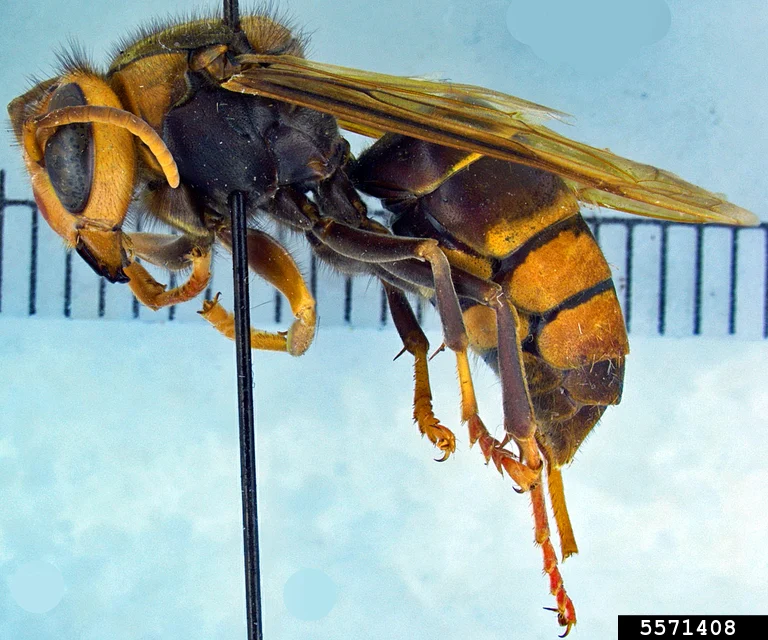
By Clint Thompson The ongoing threat of the yellow-legged hornet (YLH) to honey bee populations in the Southeast should concern the region’s fruit and vegetable producers, says University of Georgia Honey Bee Program Director Jamie Ellis. “Honey bees are incredibly important providers of pollination services. Many of the crops grown in Georgia, for example, blueberries, watermelons, cucumbers, cantaloupes, squashes; are …