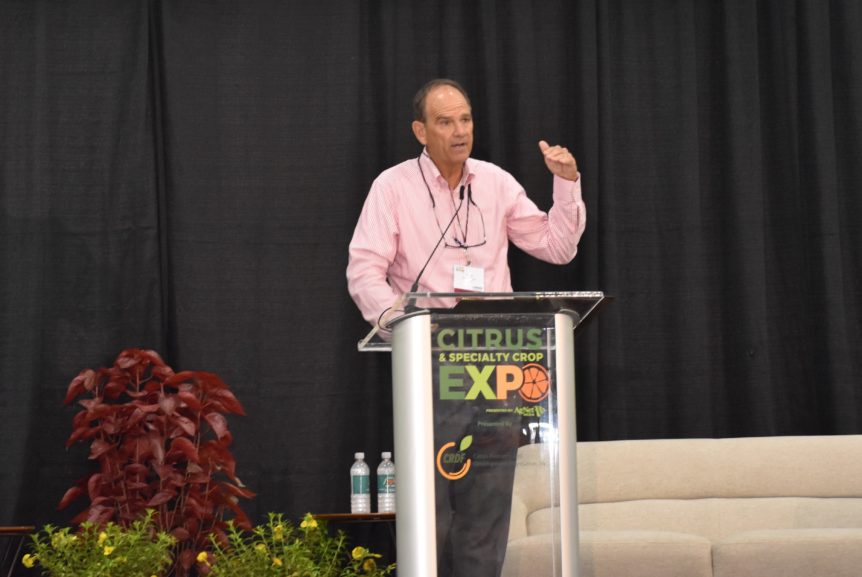
Rick Dantzler, Citrus Research and Development Foundation chief operating officer, provided hope for citrus growers during the recent Citrus & Specialty Crop Expo. He believes citrus greening disease could soon be a thing of the past. But to get growers to that “tree of the future,” they need short-term solutions to overcome the devastating disease. Dantzler continues to tout trunk …
New, Faster Solutions Needed for Citrus Survival
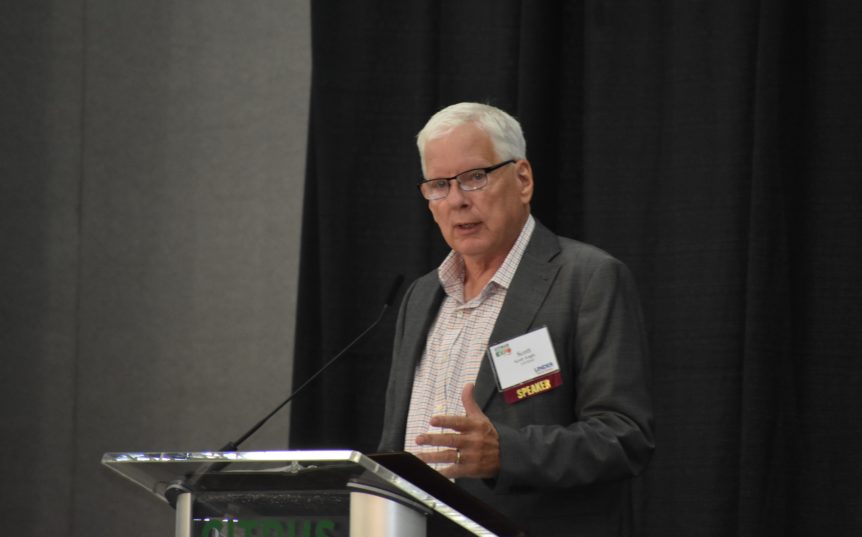
University of Florida Institute of Food and Agricultural Sciences (UF/IFAS) researchers have made significant progress in finding ways to manage citrus greening disease. But solutions needs to be expedited for the sake of the citrus industry’s future in Florida. Scott Angle, UF/IFAS senior vice president for agriculture and natural resources, emphasized that point during last week’s Citrus & Specialty Crop …
Summer Update Informs Growers on Impactful Issues
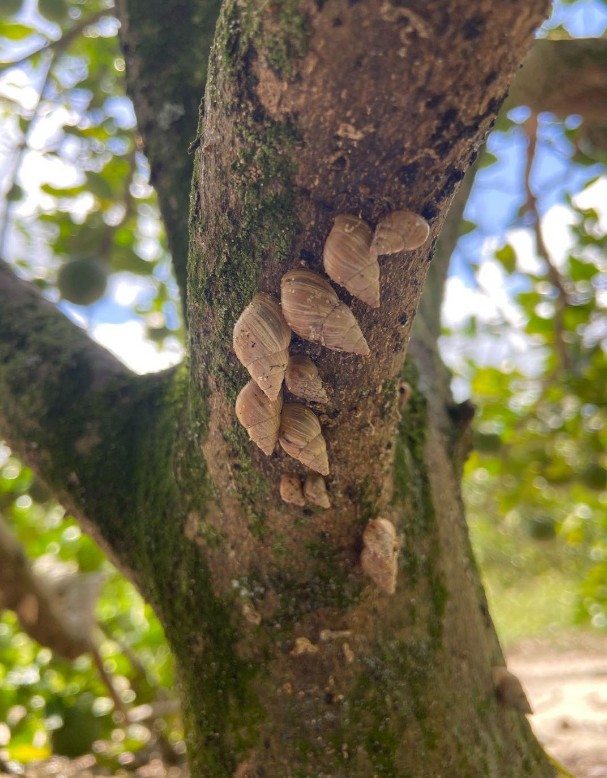
The annual Citrus Grower’s Summer Update meeting on Aug. 14 in Valdosta, Georgia, provided cold-hardy growers with updates on several factors impacting the industry. Information on topics ranging from snails to phytophthora to Asian citrus psyllid trapping were presented to growers who are on the cusp of harvesting another season’s crop. Jake Price, University of Georgia (UGA) area citrus agent …
Tomato Field Day Shows Off Latest Research
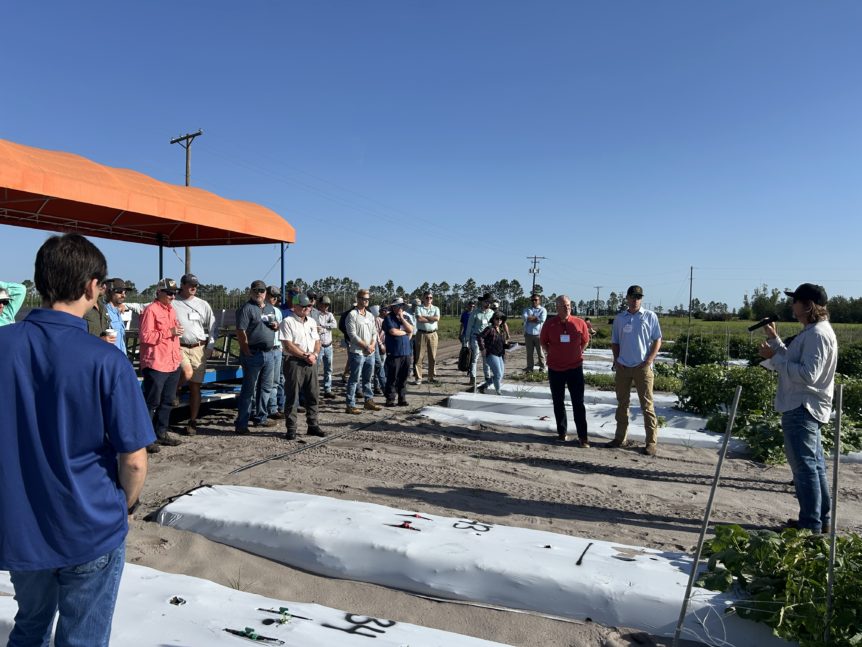
In mid-May, the University of Florida Institute of Food and Agricultural Sciences (UF/IFAS) Gulf Coast Research and Education Center hosted a tomato field day to showcase research being conducted at the facility. The event was well attended, filling up several wagon loads of people who made their way through six field stops that focused on nematodes, tomato breeding, fertilizer recommendations, …
Nitrogen Reduction Needed in Cold-Hardy Citrus Region
Growers in the cold-hardy citrus region are applying too much nitrogen to their groves. Muhammad Shahid, assistant professor of horticulture at the University of Florida Institute of Food and Agricultural Sciences (UF/IFAS), discovered that unfortunate reality while conducting a research project in North Florida. Most citrus growers were following recommendations in the UF/IFAS Florida Citrus Production Guide, which are mostly …
Growing More Than Grapefruit in CUPS
Growers use the citrus under protective screen (CUPS) production system to protect trees from the Asian citrus psyllid, the insect vector of HLB disease. While grapefruit is most commonly grown in CUPS, statistics support the belief that CUPS can be conducive to other types of citrus. “There’s a need to establish the growing requirements and the needs of other varieties. …
Scout to Stay Ahead of Pest Populations
It is much better for Florida citrus growers to be proactive than reactive when managing pest populations. Scouting and monitoring citrus groves is crucial for growers who hope to thwart off impacts from insects like the Asian citrus psyllid (ACP). If growers are not successful, they will be behind the eight ball in minimizing the impact of these annual pests. …
Pre-emergent Herbicides Preferred for Weed Management
It is best for citrus growers to implement a proactive approach to weed management. Being reactive puts producers behind the eight ball with regards to controlling certain weeds in their groves. That’s why Ramdas Kanissery, weed scientist and associate professor at the University of Florida Institute of Food and Agricultural Sciences (UF/IFAS), is preaching the importance of pre-emergent herbicides. They …
Now Is the Time to Knock Back Psyllid Populations
Now is the time for Florida citrus growers to implement management tactics to control the Asian citrus psyllid (ACP), the insect that vectors citrus greening, also known as huanglongbing (HLB). ACPs are currently in low populations across Florida’s citrus-producing region. That means growers should act now to protect their crop from the insect’s impact, says Chris Oswalt, University of Florida …
CUPS Success Rate a Relief for Researcher
The success of citrus under protective screen (CUPS) in protecting Florida citrus from citrus greening, also known as huanglongbing or HLB, was not surprising to Arnold Schumann. The professor of soil fertility and water quality at the University of Florida Institute of Food and Agricultural Sciences (UF/IFAS) Citrus Research and Education Center is thankful research had yielded a temporary solution …