









By Clint Thompson Tomato prices are high right now for producers. They should be able to take advantage for a couple of more weeks, if they have a crop. “If” is the operative word, because supply is low. Bob Spencer, president of West Coast Tomato in Palmetto, Florida, attributes the low supply to the Christmas freeze event. Growers experienced significant …
BMP Highlights at UF/IFAS Workshop
The University of Florida Institute of Food and Agricultural Sciences (UF/IFAS) hosted a water and nutrient management workshop at the Citrus Research and Education Center in mid-February. In addition to seminars, a grove tour was provided to demonstrate a nutrient-rate trial currently underway at the center. Kelly Morgan, UF/IFAS professor of crop nutrition, spoke on recent activity to update citrus best management …
You’re Invited to The Florida Grower Citrus Show Tailgate Party
The game has officially changed! The Florida Grower tailgate party during the Florida Grower Citrus Show is the Indian River’s newest most anticipated event. It will feature a smorgasbord of mouthwatering eats, America’s favorite tailgate game and more than 50 exhibitors! Now under AgNet Media management, the Florida Grower Citrus Show is introducing a fun new format for the event. …
Blueberry Alert: Better to be Proactive Instead of Reactive When Managing Fruit Rots
By Clint Thompson Disease management is crucial to blueberry growers producing a viable crop. But producers need to know what diseases are problematic in their fields. “Scouting is critical to know what diseases you have and also to know what diseases you’ve had in the past. That’s often a good predictor of what you’re going to have in the future. …
UGA to Host Spring Farm Stress Summit
The University of Georgia will be hosting a Spring Farm Stress Summit on Monday, March 20, from 9:30 a.m. to 3:30 p.m. at the Mercer University-Macon Campus. The summit welcomes those interested to attend the Summit and learn from others about how to combat farm stress within Georgia’s rural communities. The keynote speaker will be Marshal Sewell, a strategic account …
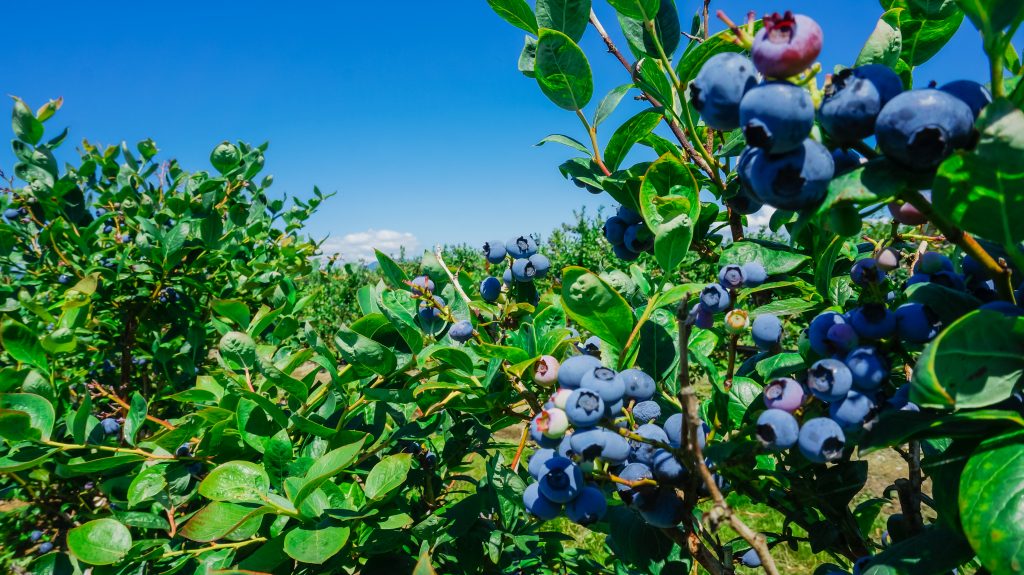
Watch for Flower Thrips in Blueberries
Flower thrips (Frankliniella bispinosa) are insects that attack Florida blueberries and cause harm to the fruit. According to the University of Florida Institute of Food and Agricultural Sciences (UF/IFAS) research, larvae and adults feed on every part of the flowers including ovaries, styles, petals and developing fruit. The effects of this invasive species include damage to the fruit by reducing …
USDA NASS Updates Vegetable Production for 2022
The U.S. Department of Agriculture (USDA) National Agricultural Statistics Service (NASS) conducted a 2022 vegetable grower inquiry. It found that the nation’s production for 26 estimated vegetable and melon crops totaled 658 million cwt, down 2% from 2021. The three largest crops were tomatoes, onions and sweet corn, which combined for 53% of all vegetables produced. The value of utilized …
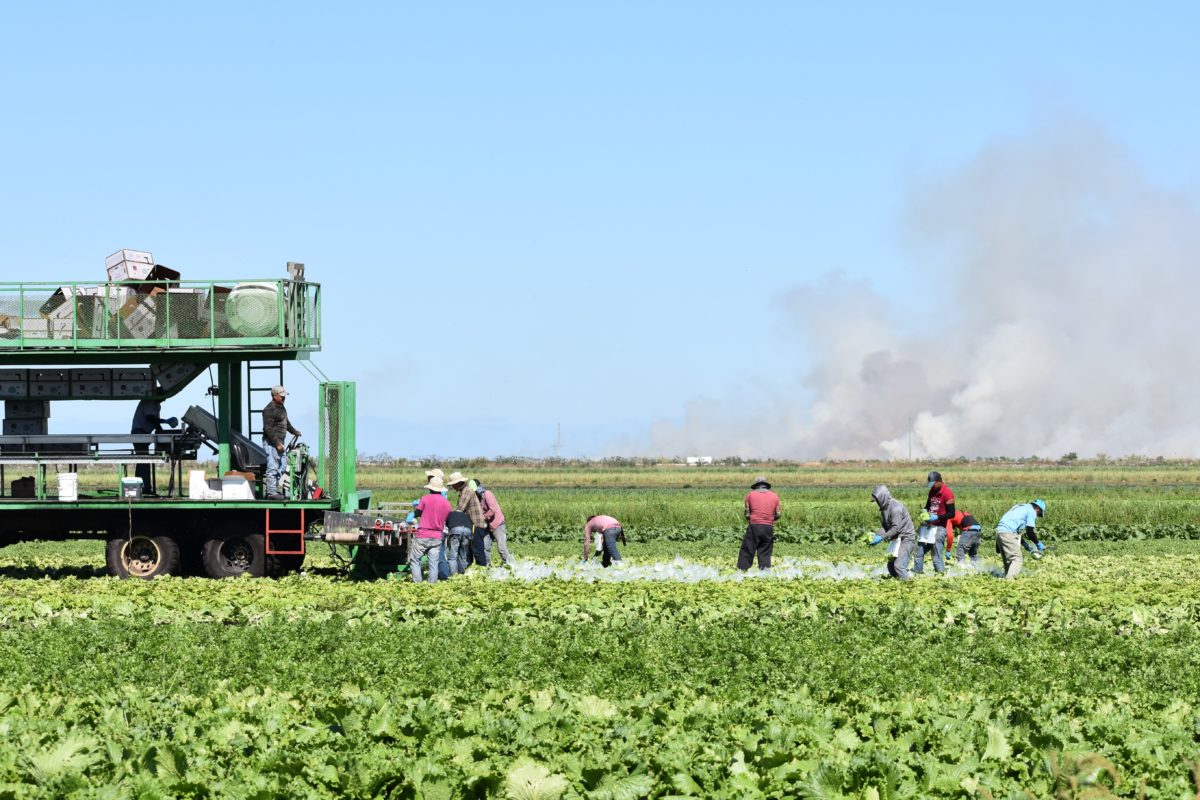
Ag Leader: Everybody Jockeying for Position Has Complicated Labor Issue
By Clint Thompson The agricultural labor issue should not be as complicated as legislators are making it out to be. That’s the belief shared by Jimmy Parnell, president of the Alabama Farmers Federation. Specialty crop producers need a seasonal labor force. Citizens of other countries want to work. It’s a match made in agricultural heaven. “There’s a large group of …
Producers Beware: Downy Mildew Disease a Threat for Vidalia Onions
By Clint Thompson Increased rainfall and extended periods of leaf wetness means conditions have improved for downy mildew disease in Vidalia onions. Growers should be wary of the disease as harvest season draws near, said Bhabesh Dutta, University of Georgia (UGA) Extension vegetable plant pathologist. “We always monitor downy mildew and the weather conditions that favor downy mildew. We follow …
Why There Is a Lack of HLB in Georgia
HLB has yet to become a major problem for Georgia’s citrus producers. Jonathan Oliver, University of Georgia assistant professor and small fruits pathologist, attributes the disease’s lack of presence in Georgia’s commercial groves to multiple factors. “It still comes down to the fact that, number one, you don’t see symptoms for a while. A lot of our trees are young,” Oliver says. …